Spring-Summer 2027 Show
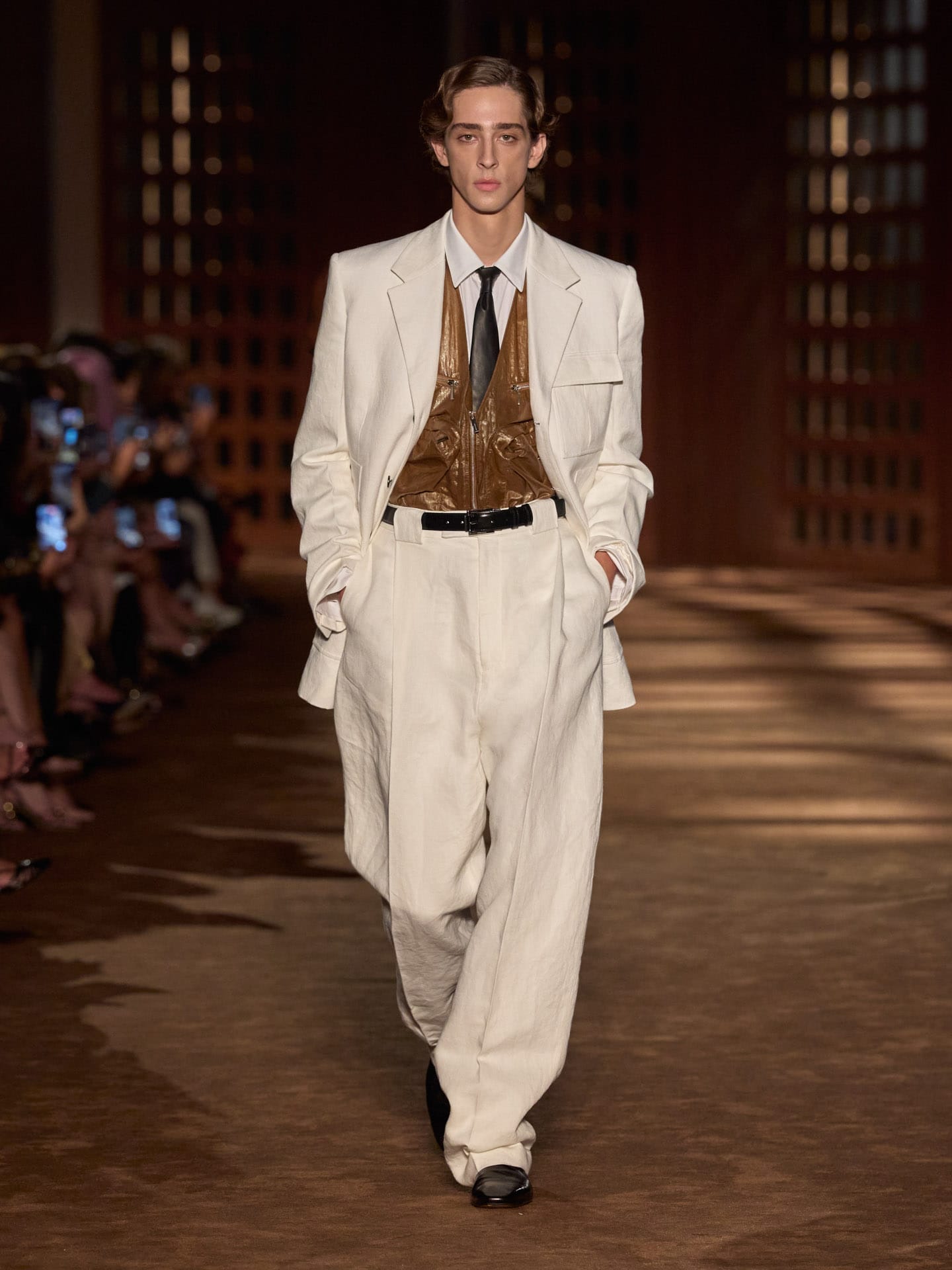
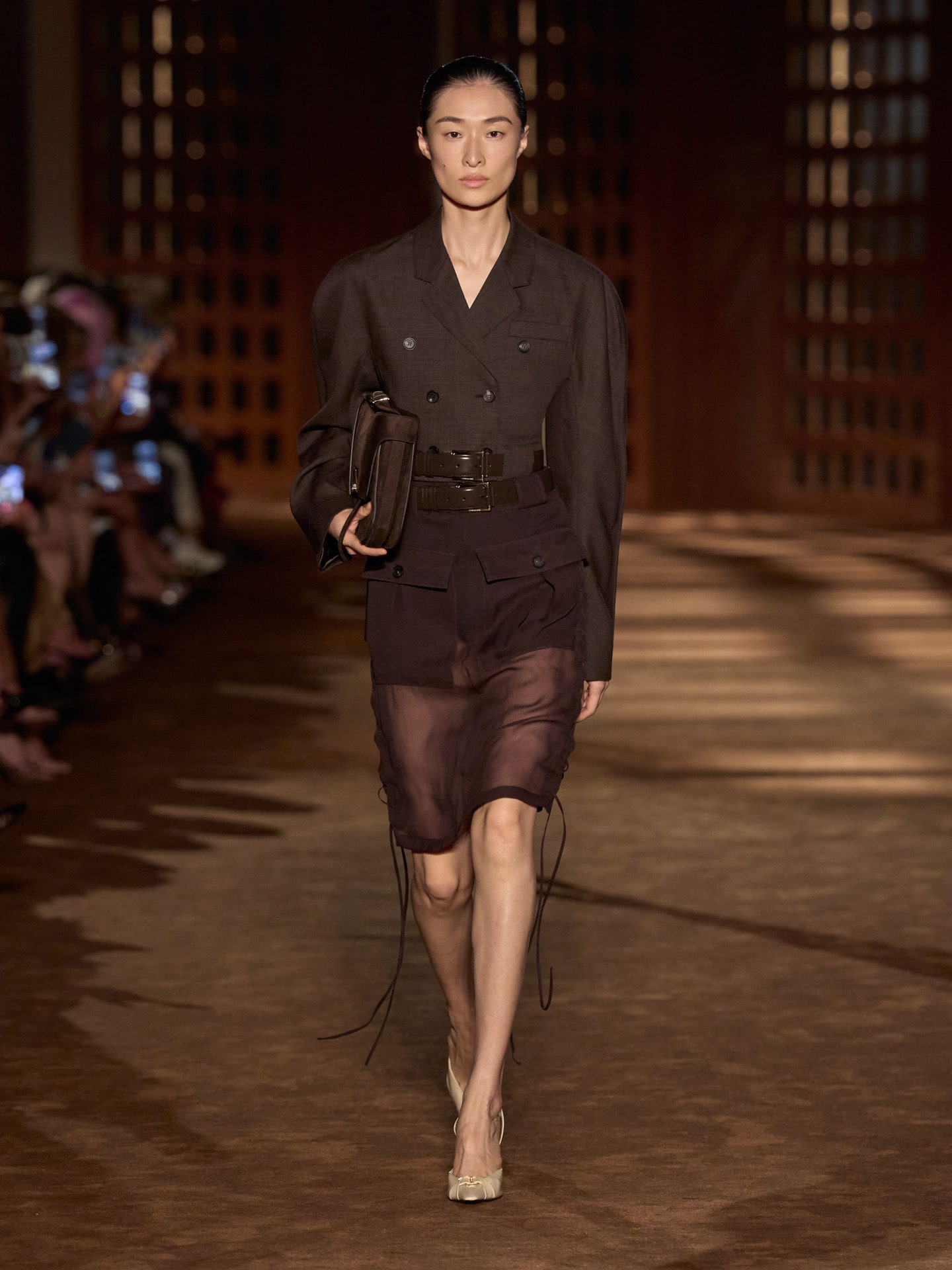
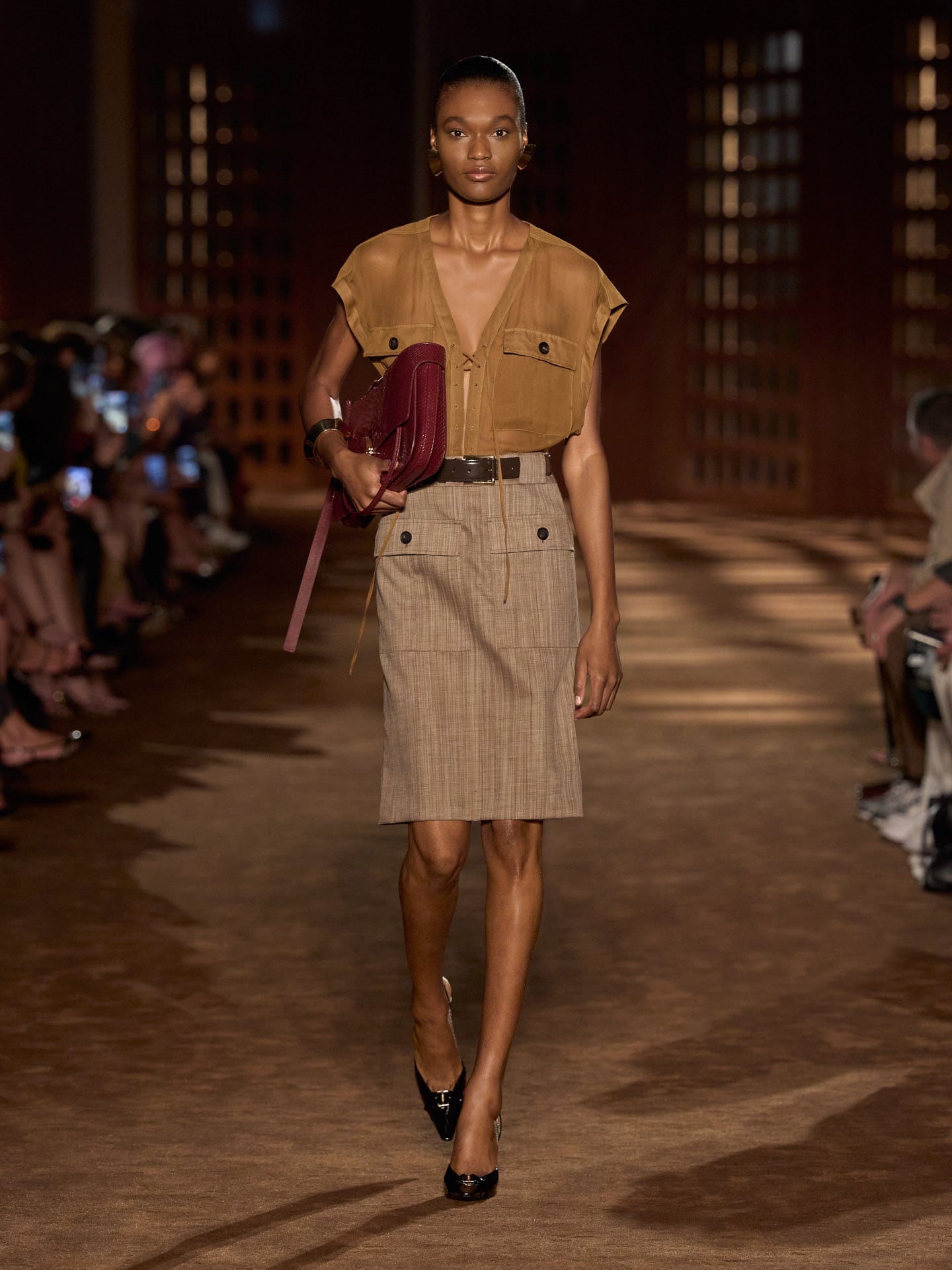
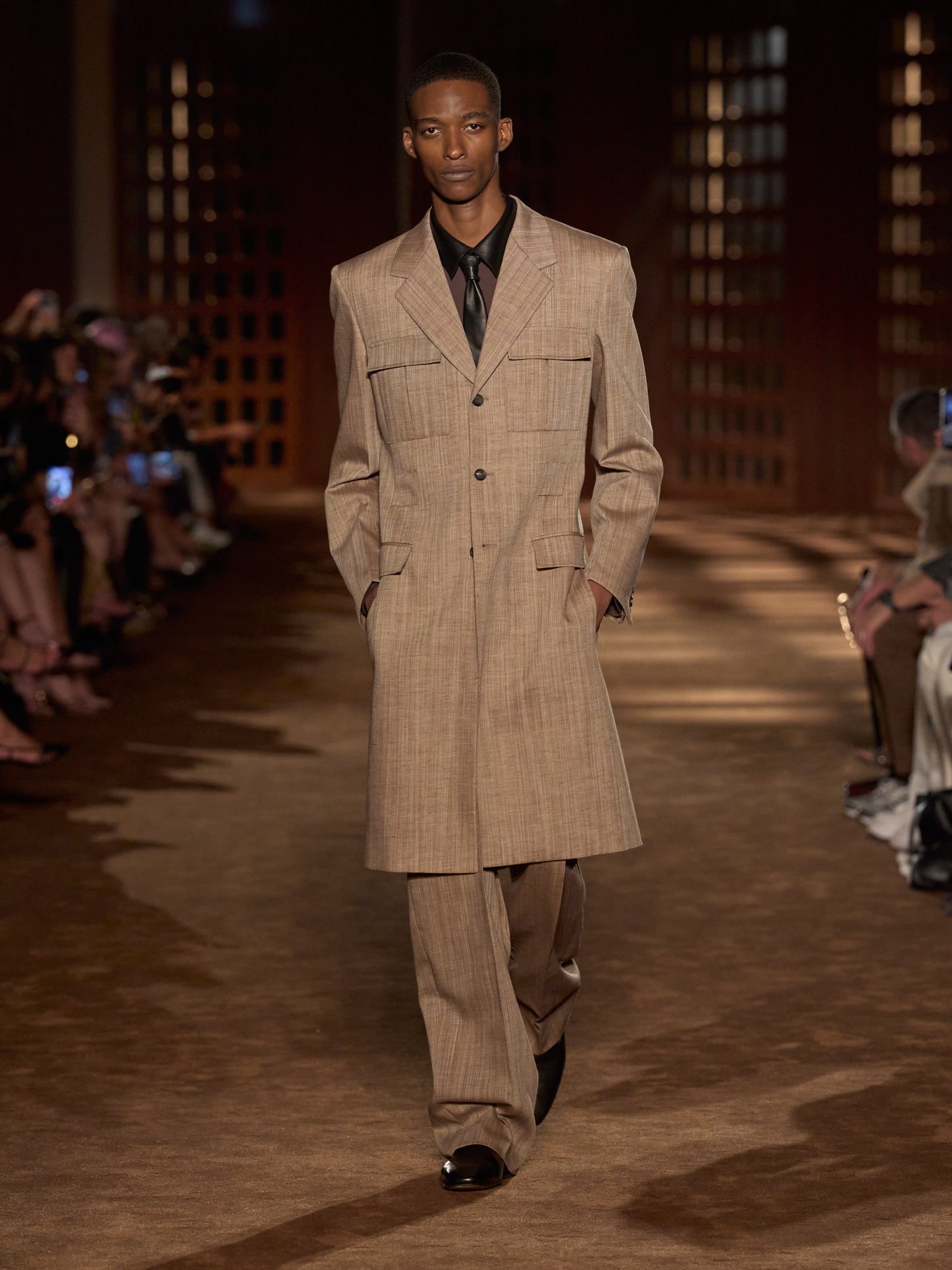
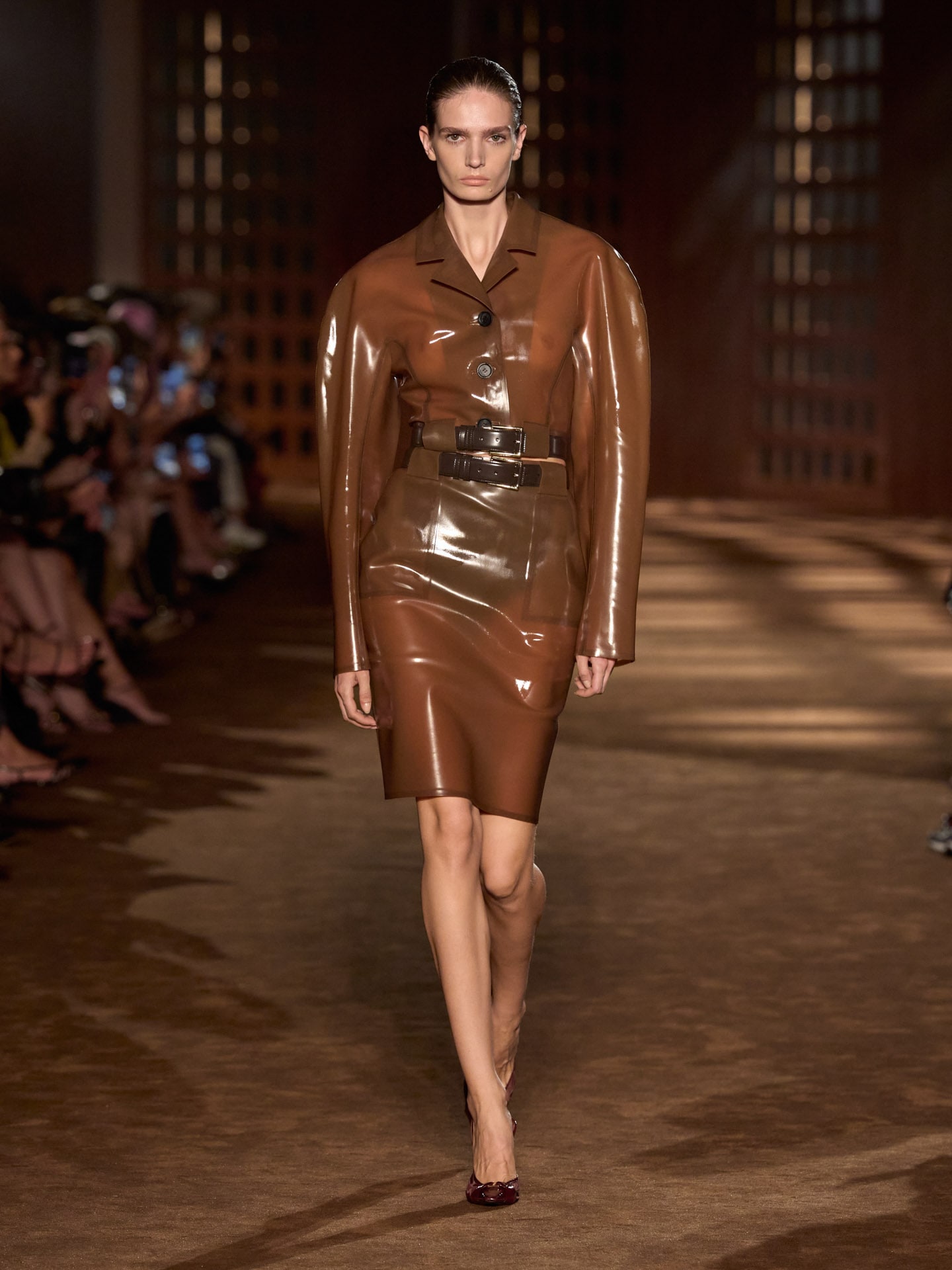
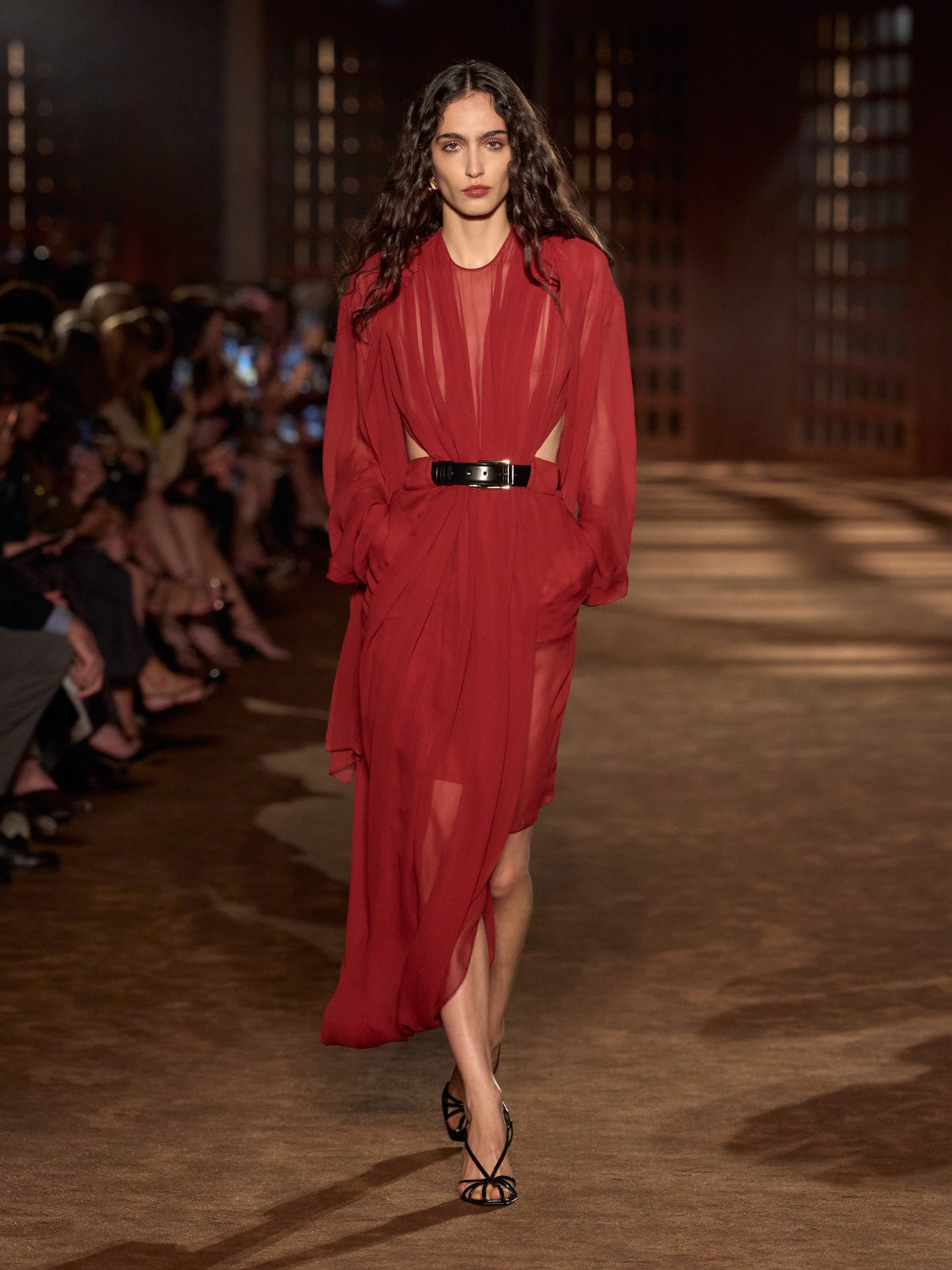
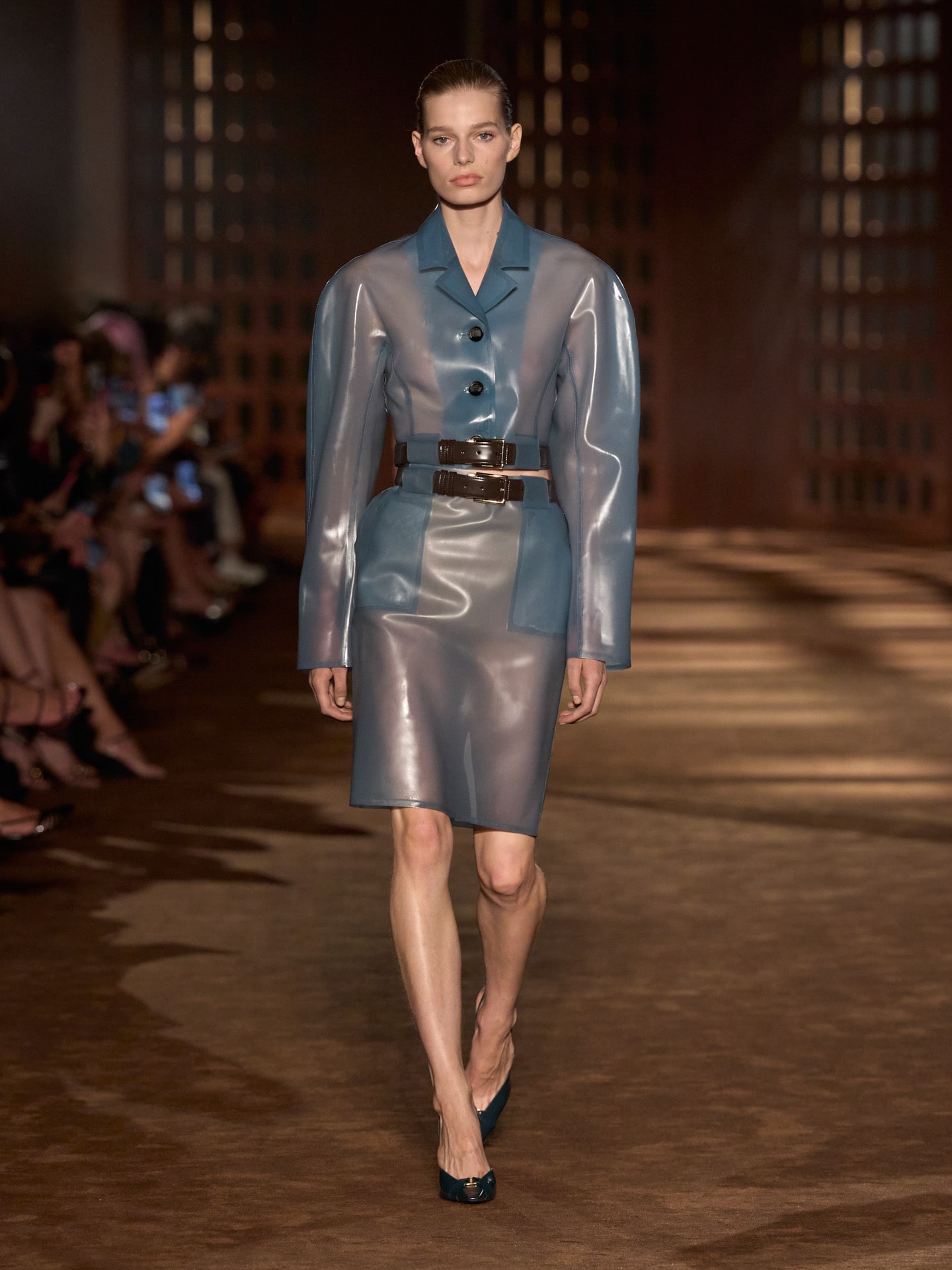
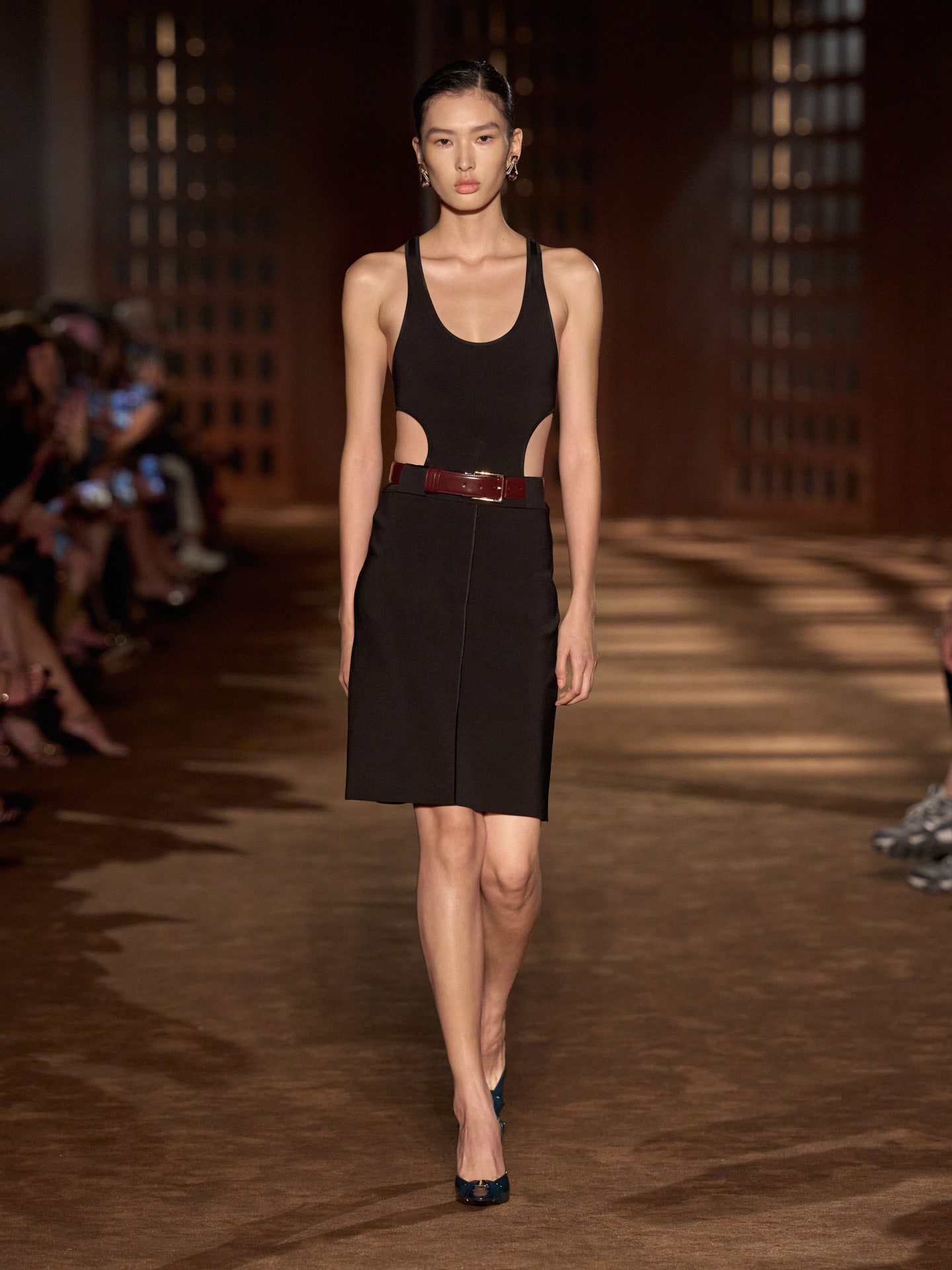
Maximilian Davis continues to explore the stories of liberation told by the 20th Century’s wardrobes. Now, he focuses his gaze on the 1940s and considers its codes through the distinct language he has established at Ferragamo.
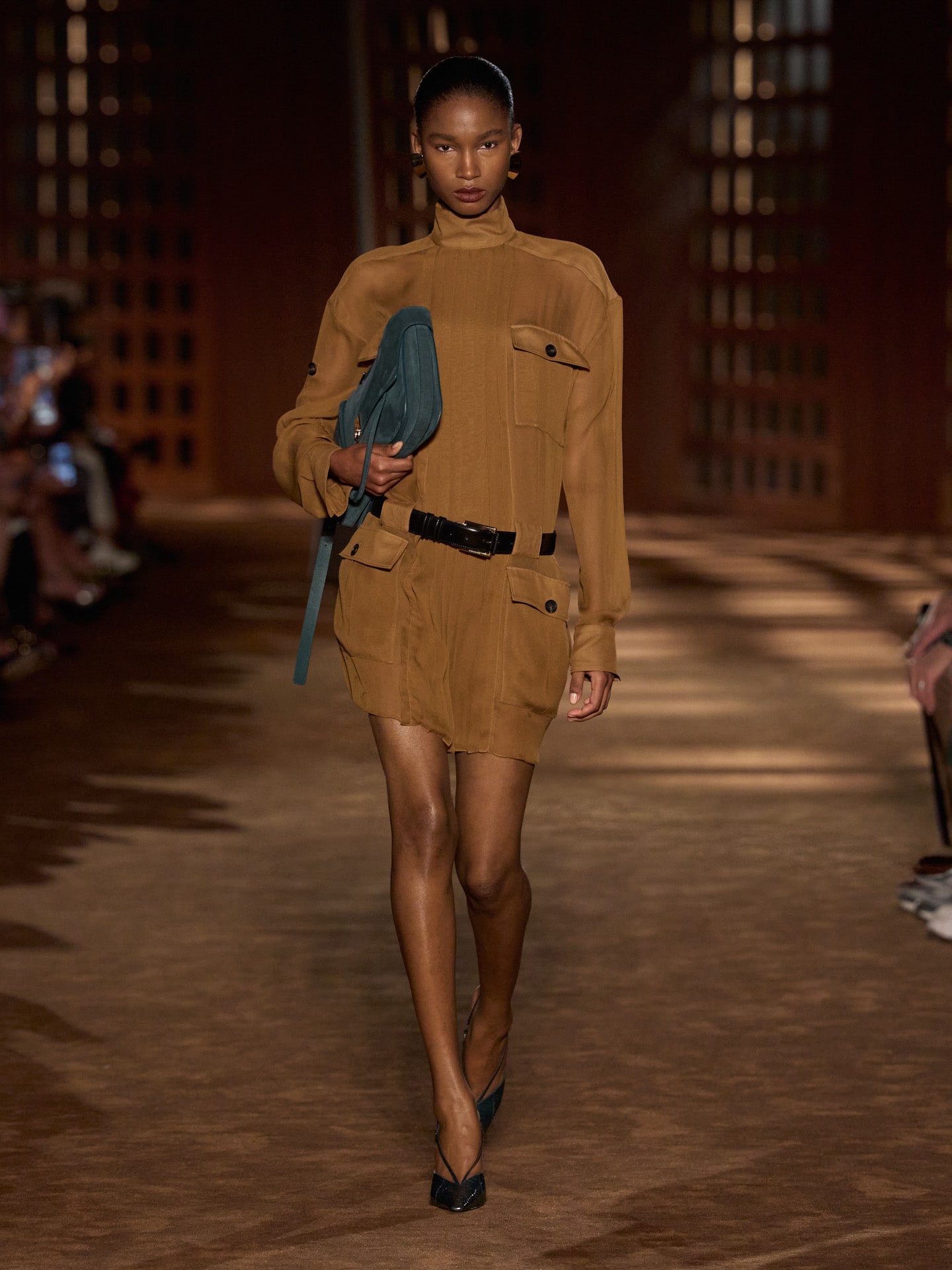
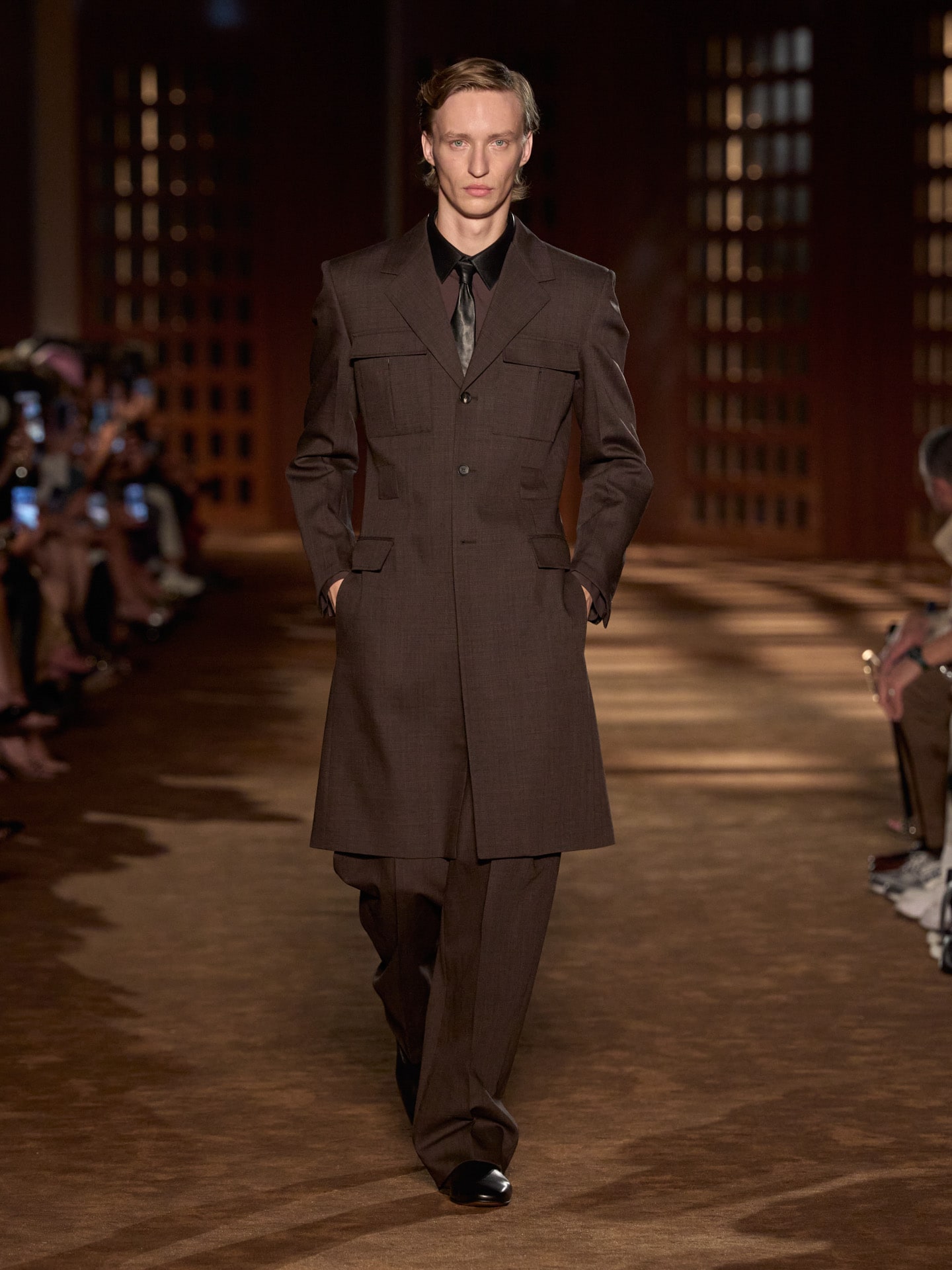
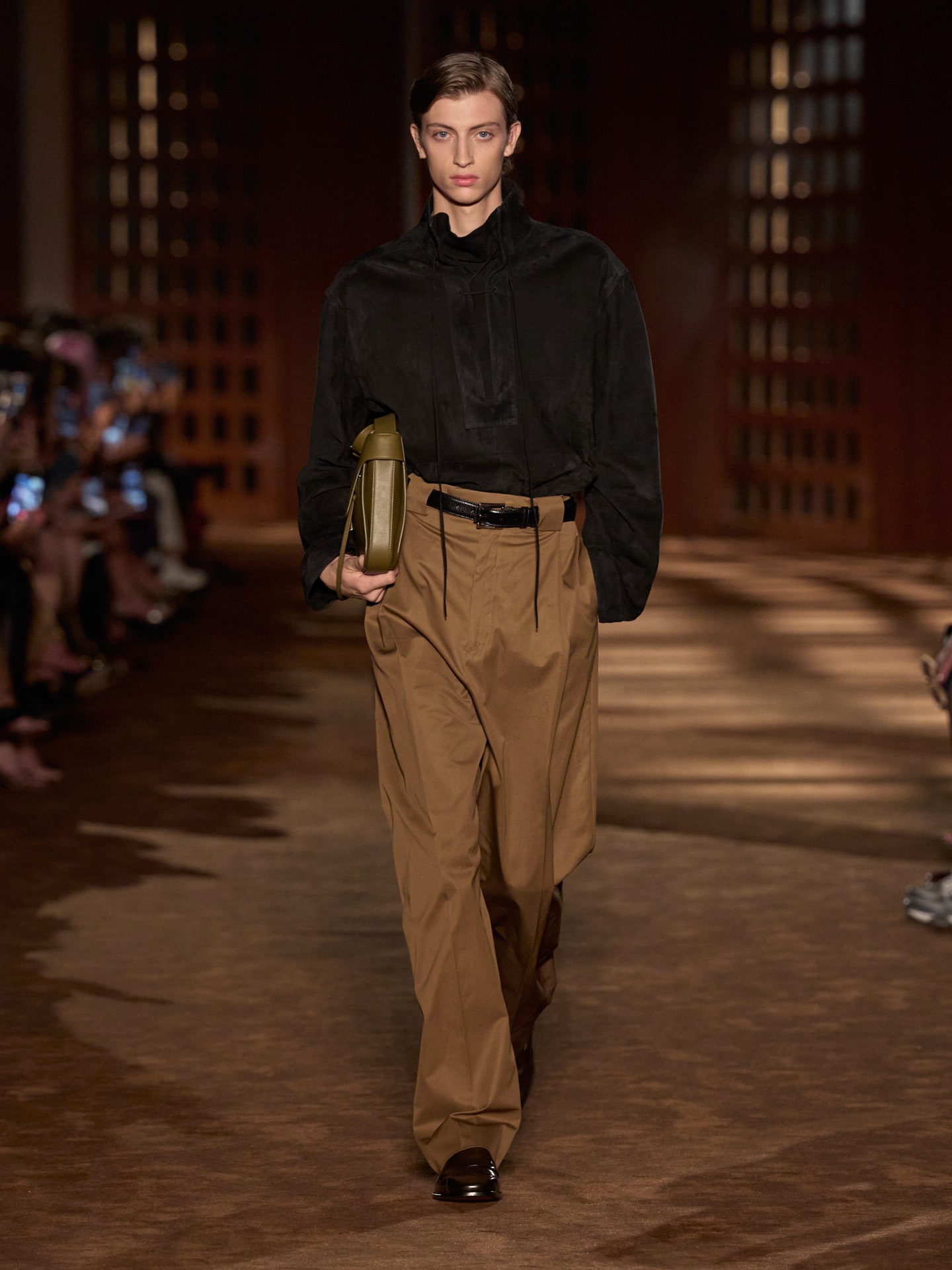
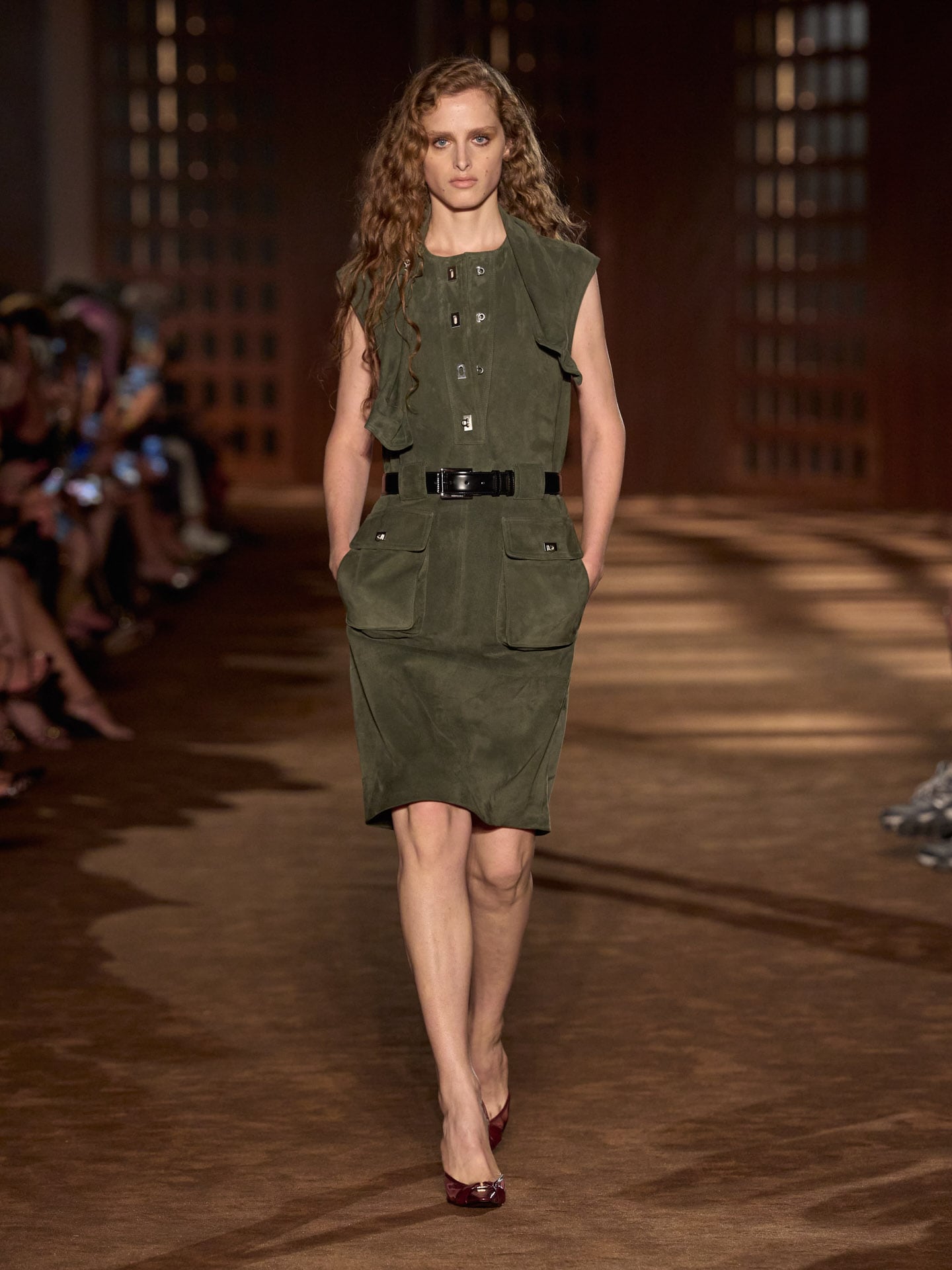
Reflecting the period when women entered the workforce, the composed vocabulary of the era’s uniforms and workwear appear distilled to their essence; reduced and refined; reconsidered through a contemporary lens. “It was a period where clothing, and its structure, created a certain posture and propriety: when the placement of pocket would dictate how you would both stand and behave,” explains Davis. “I wanted to take elements of that silhouette and modernise it for today.”

The looks from the collection will be available soon. In the meantime, explore:
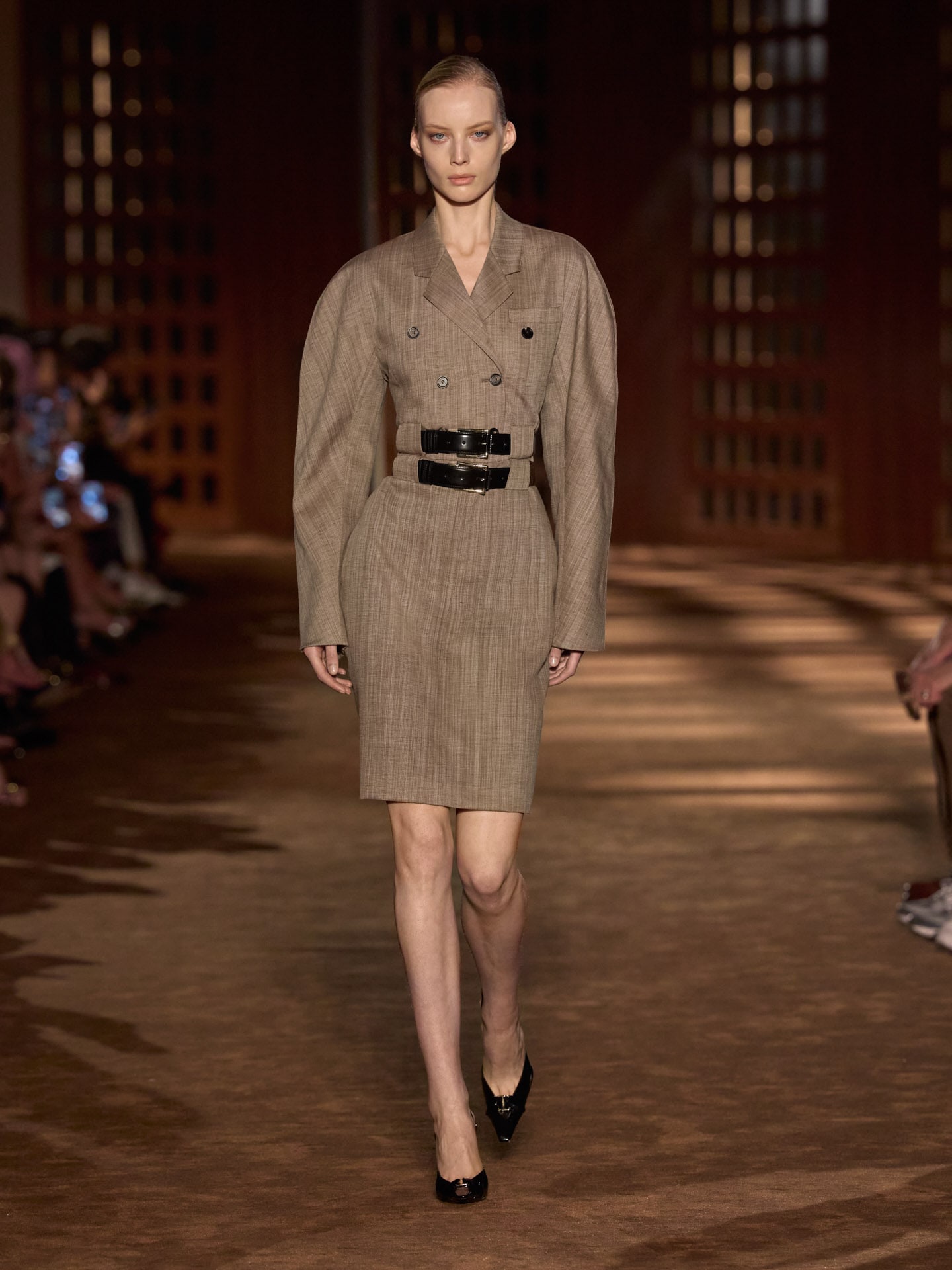
Look 1
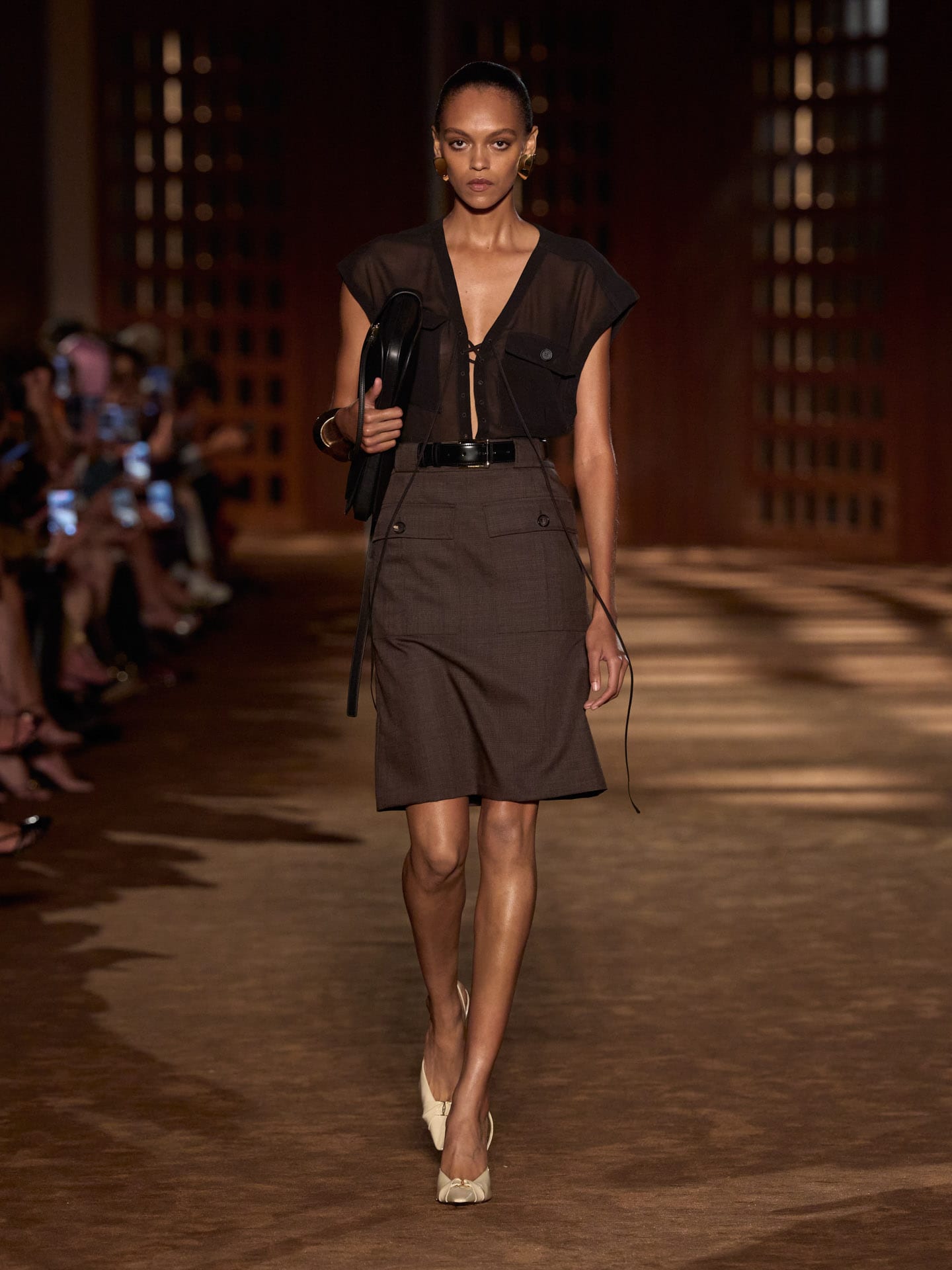
Look 2
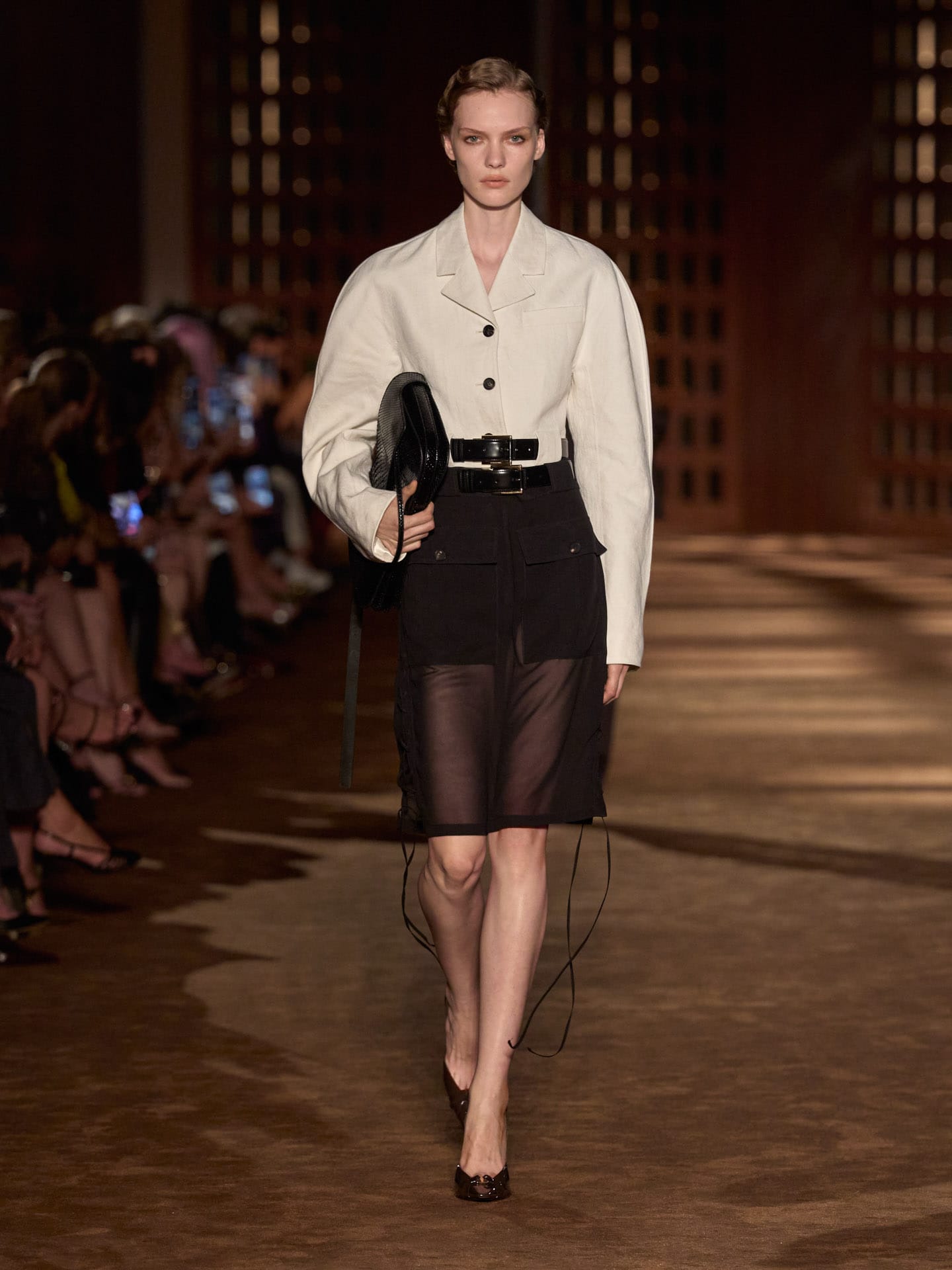
Look 3
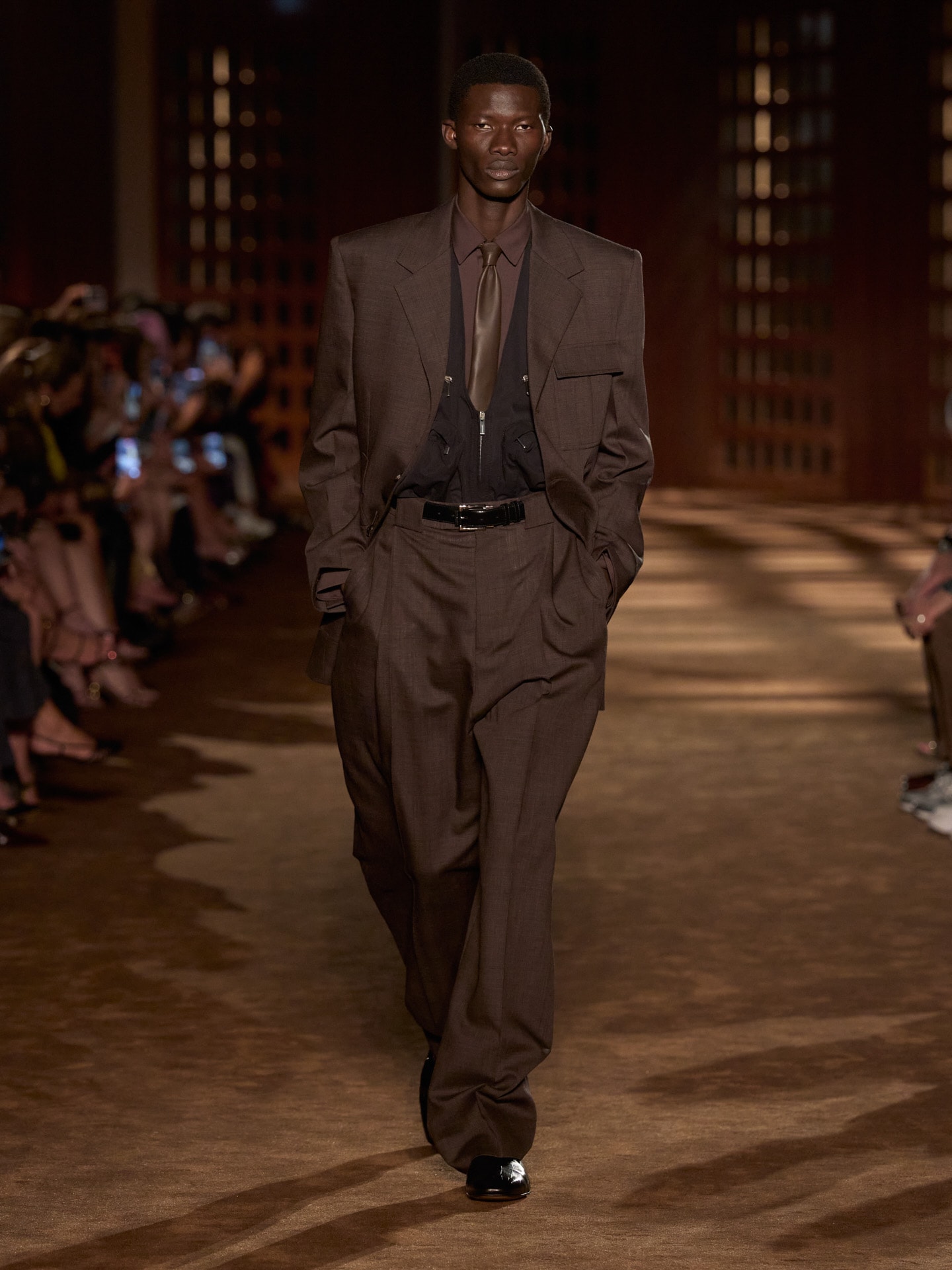
Look 4
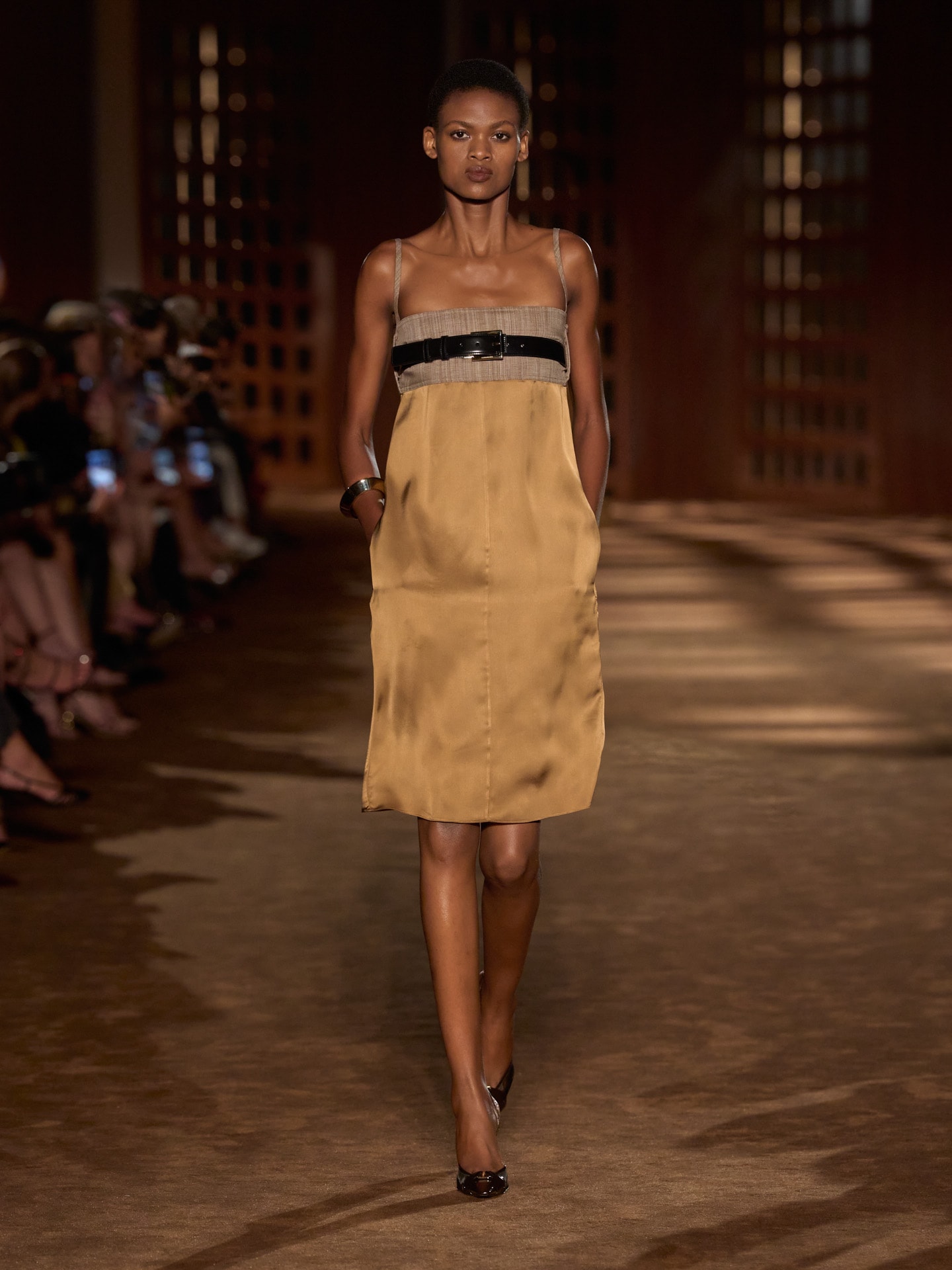
Look 5
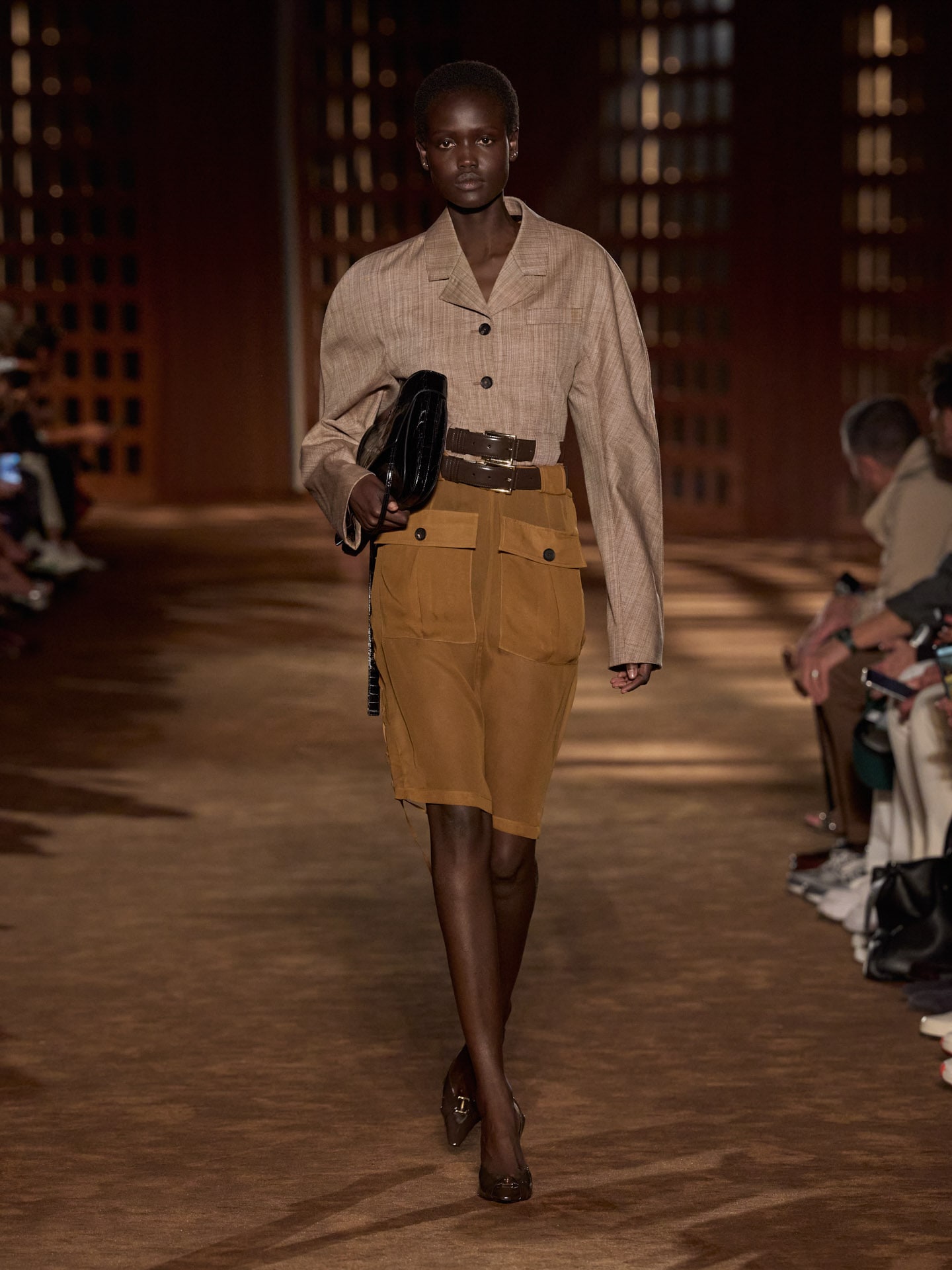
Look 6
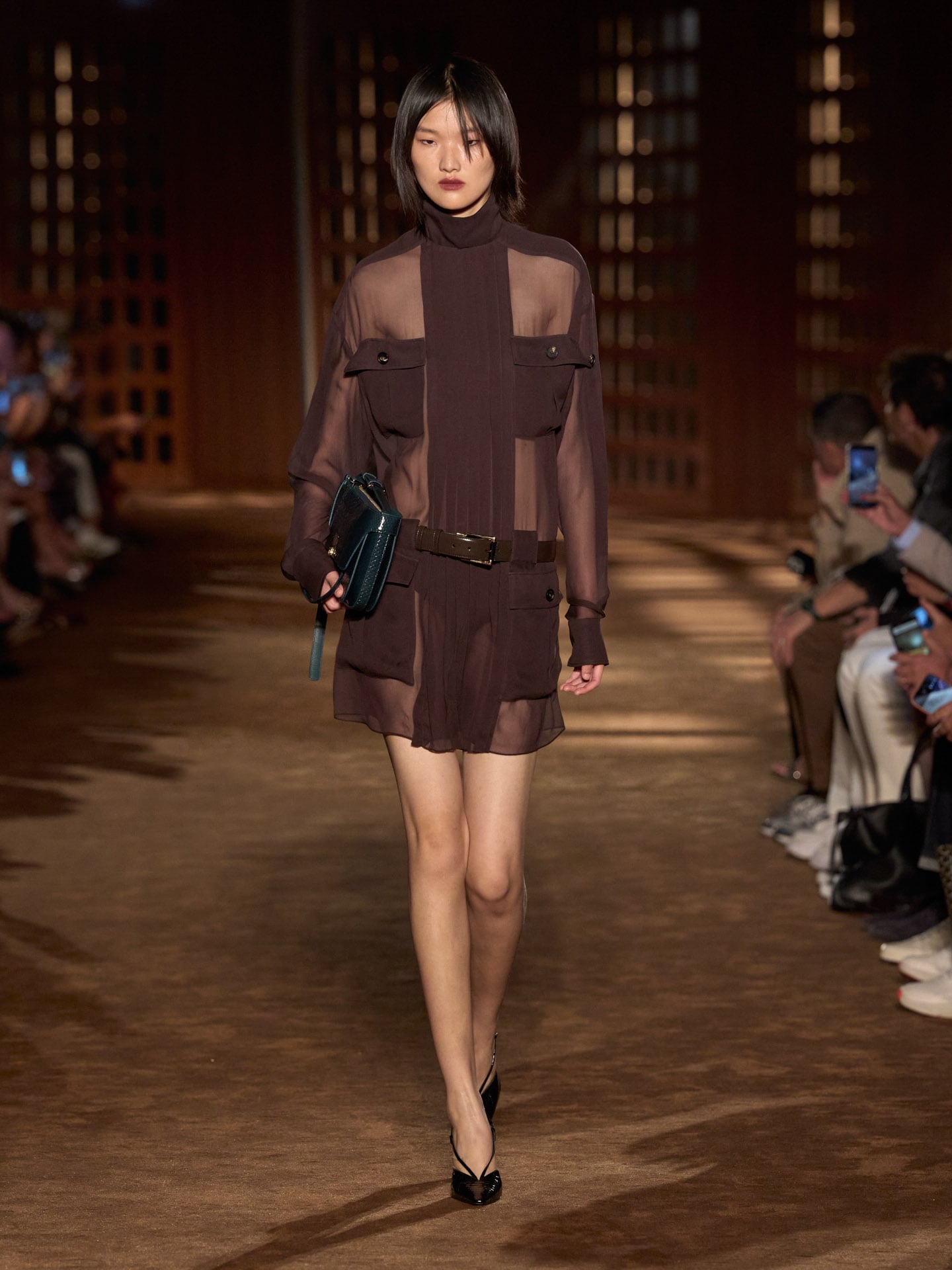
Look 7
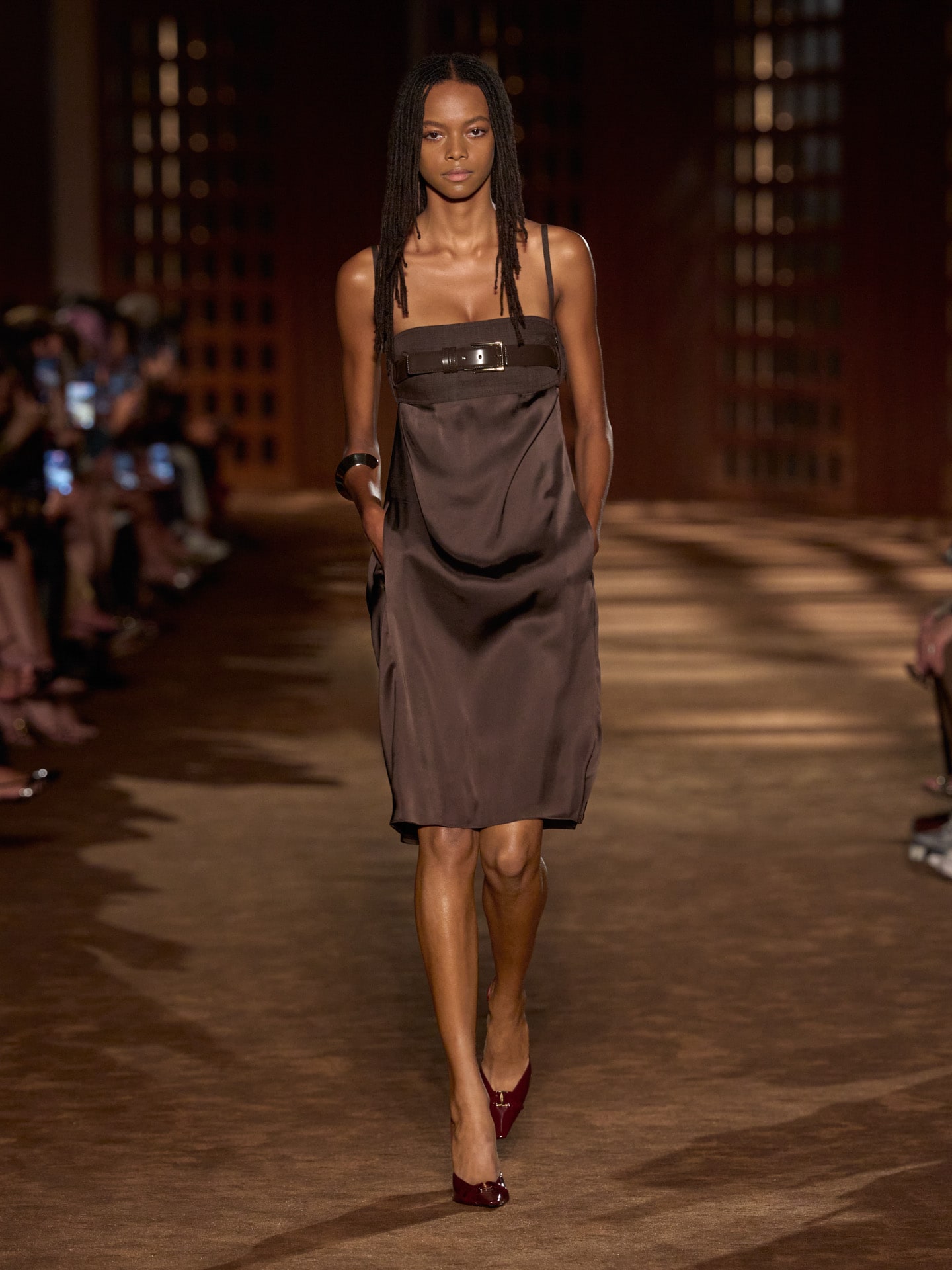
Look 8
Look 9
Look 10
Look 11
Look 12
Look 13
Look 14
Look 15
Look 16
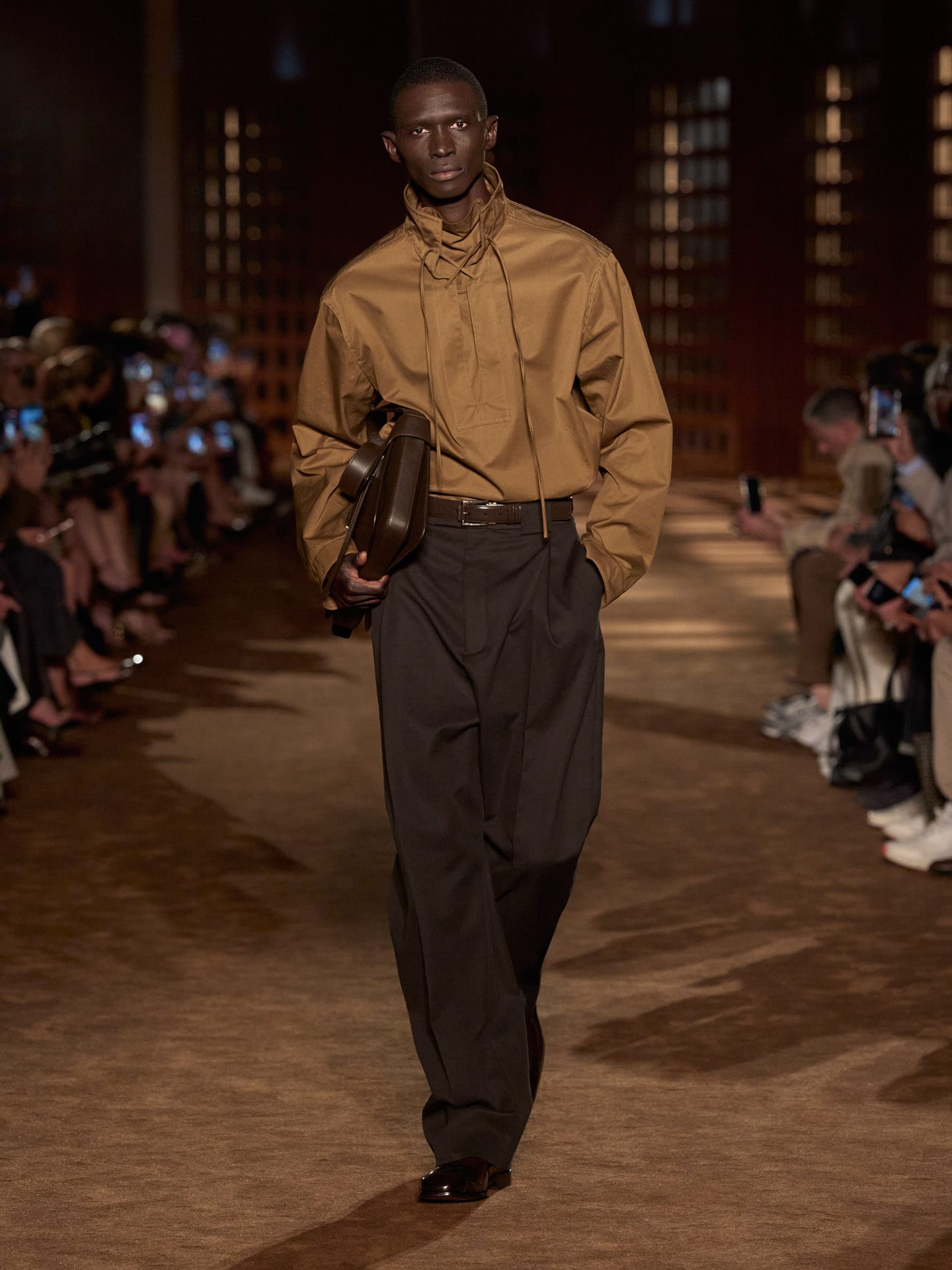
Look 17
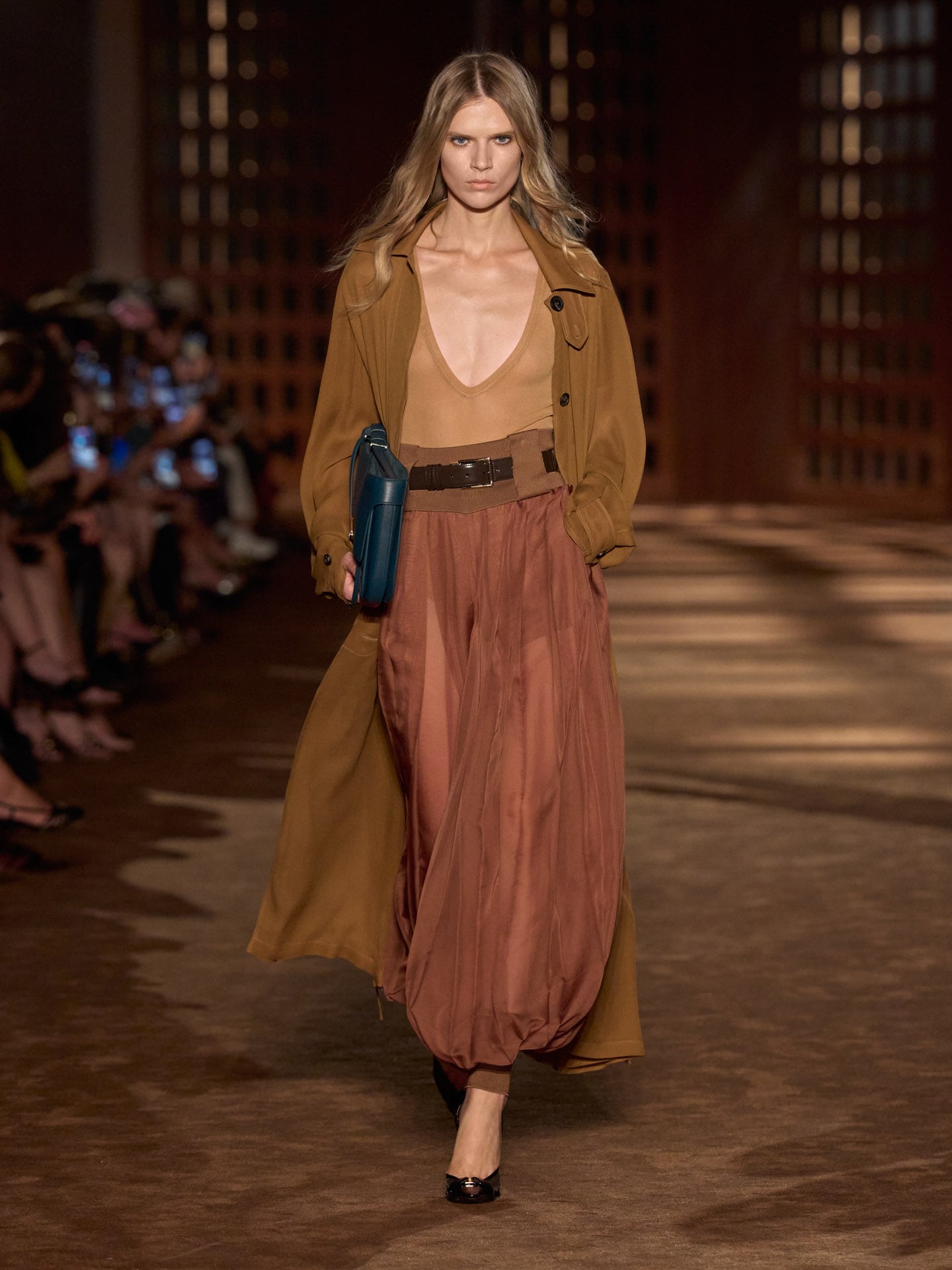
Look 18
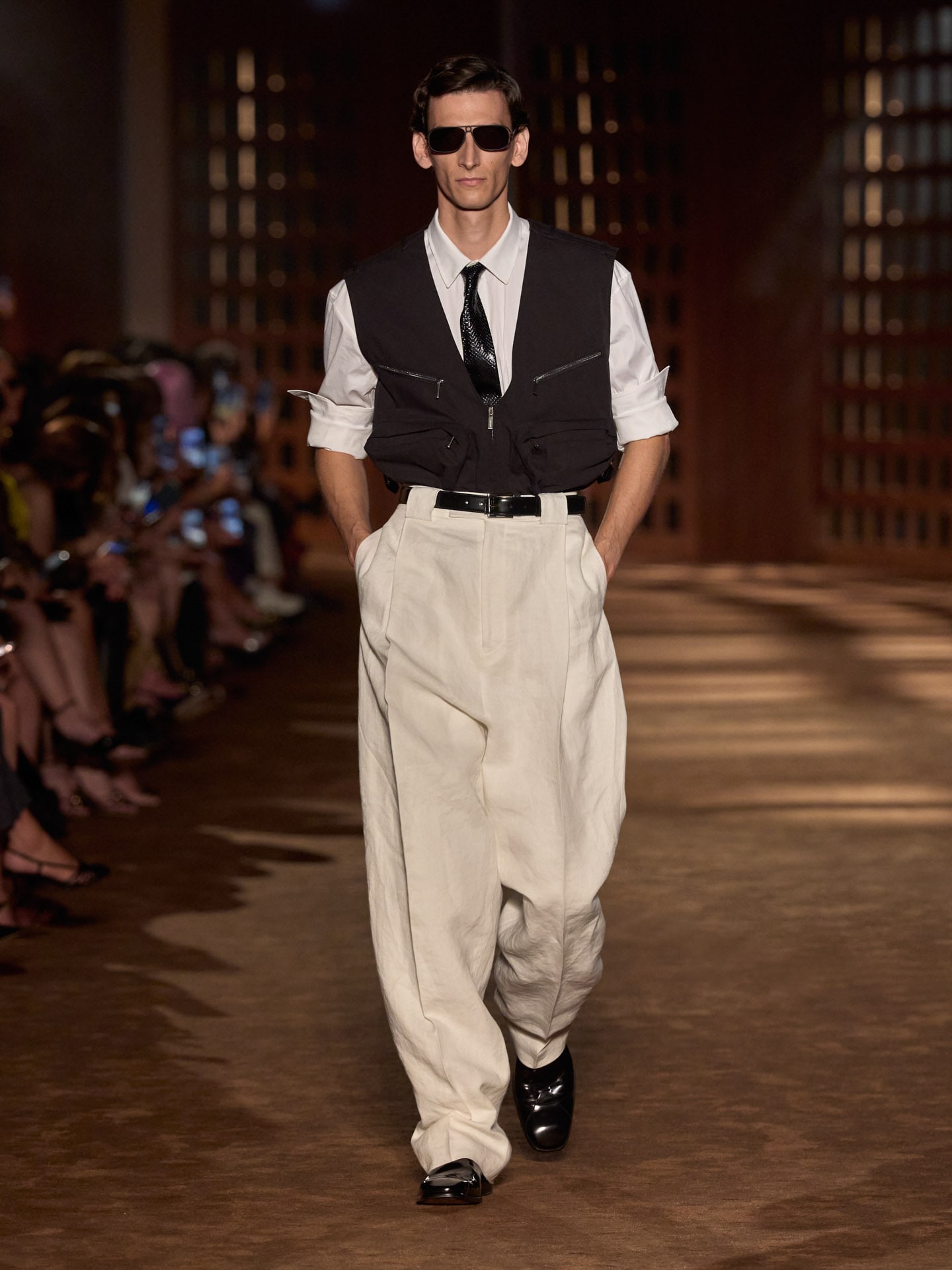
Look 19
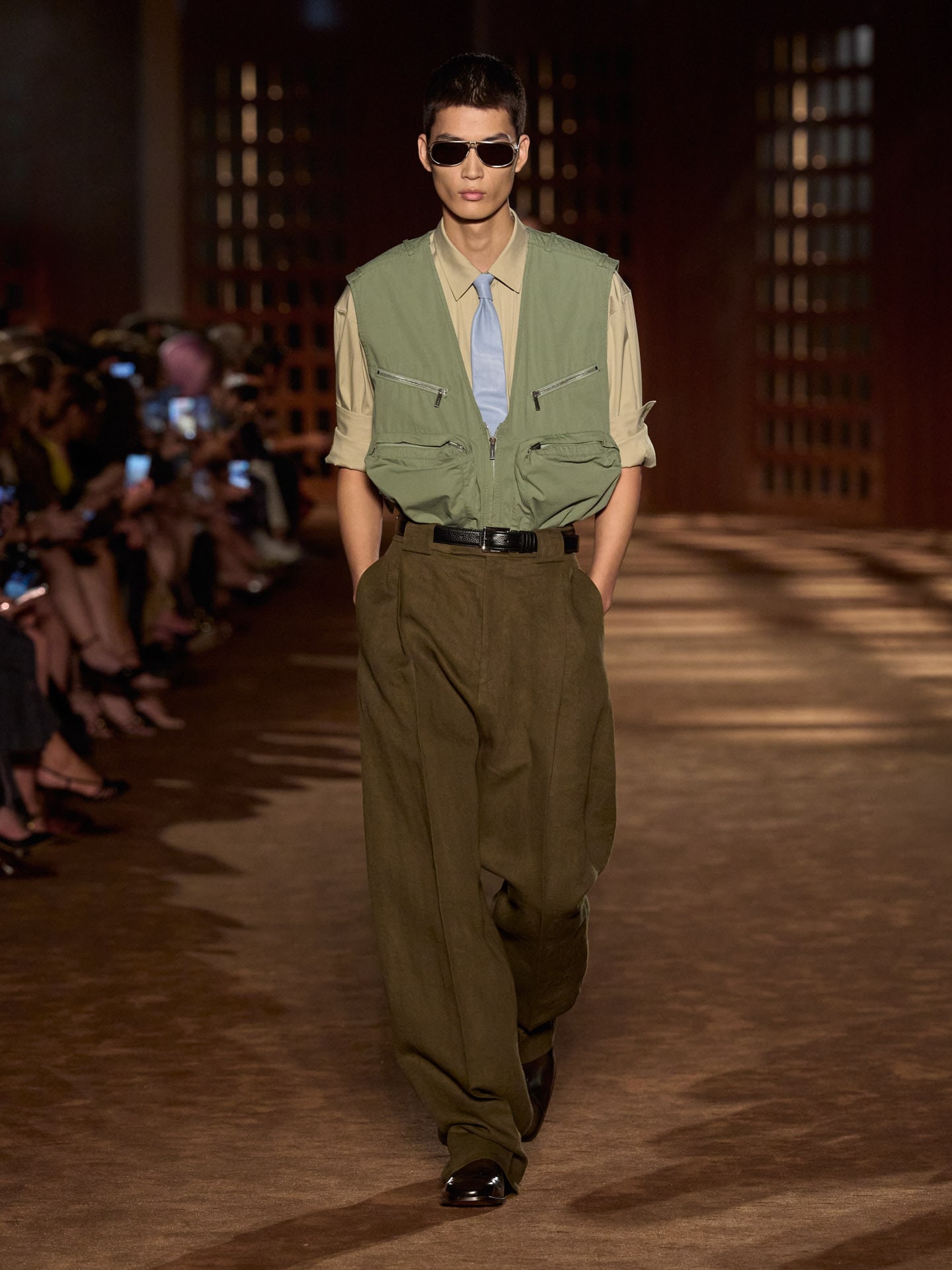
Look 20
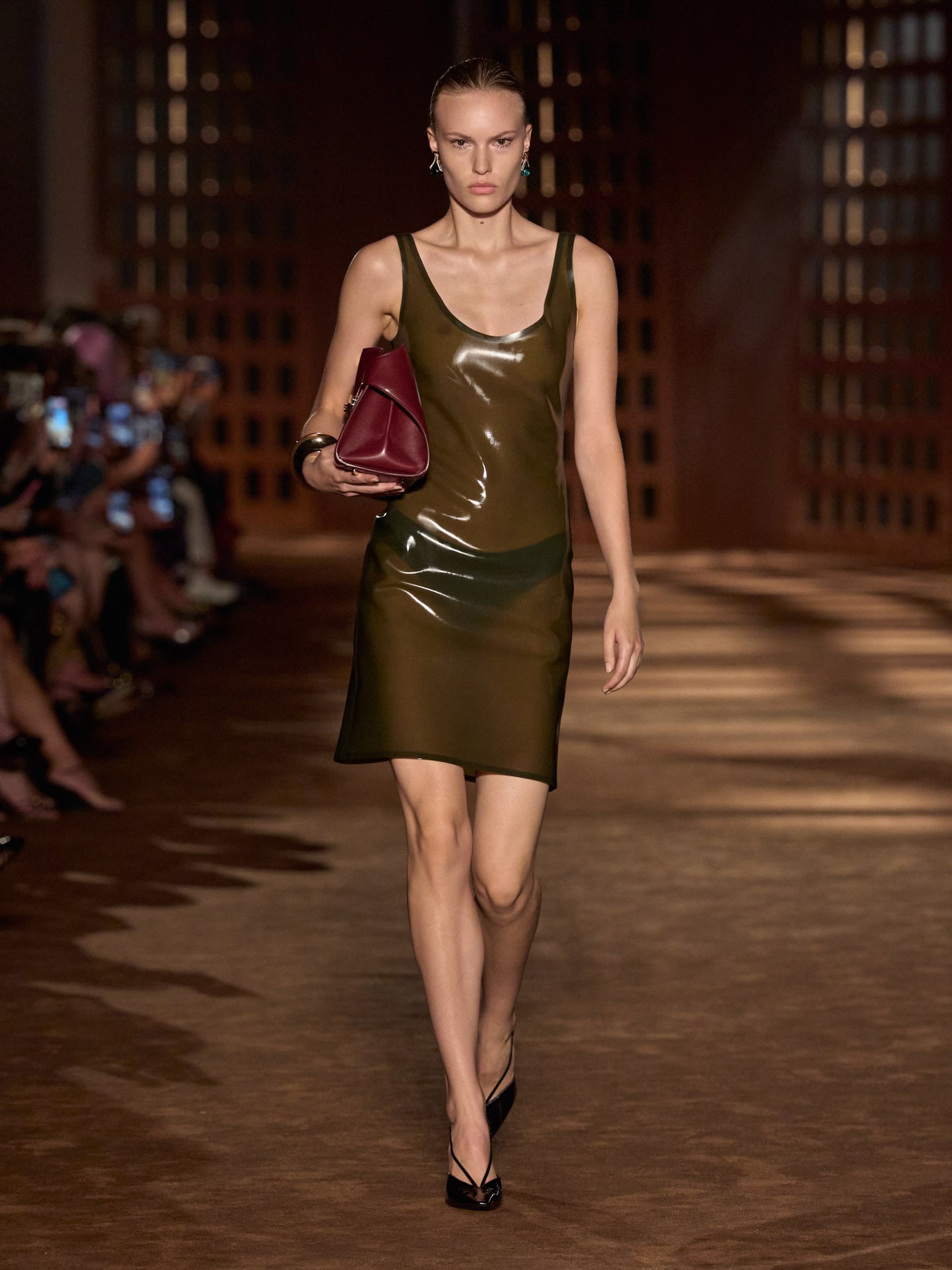
Look 21
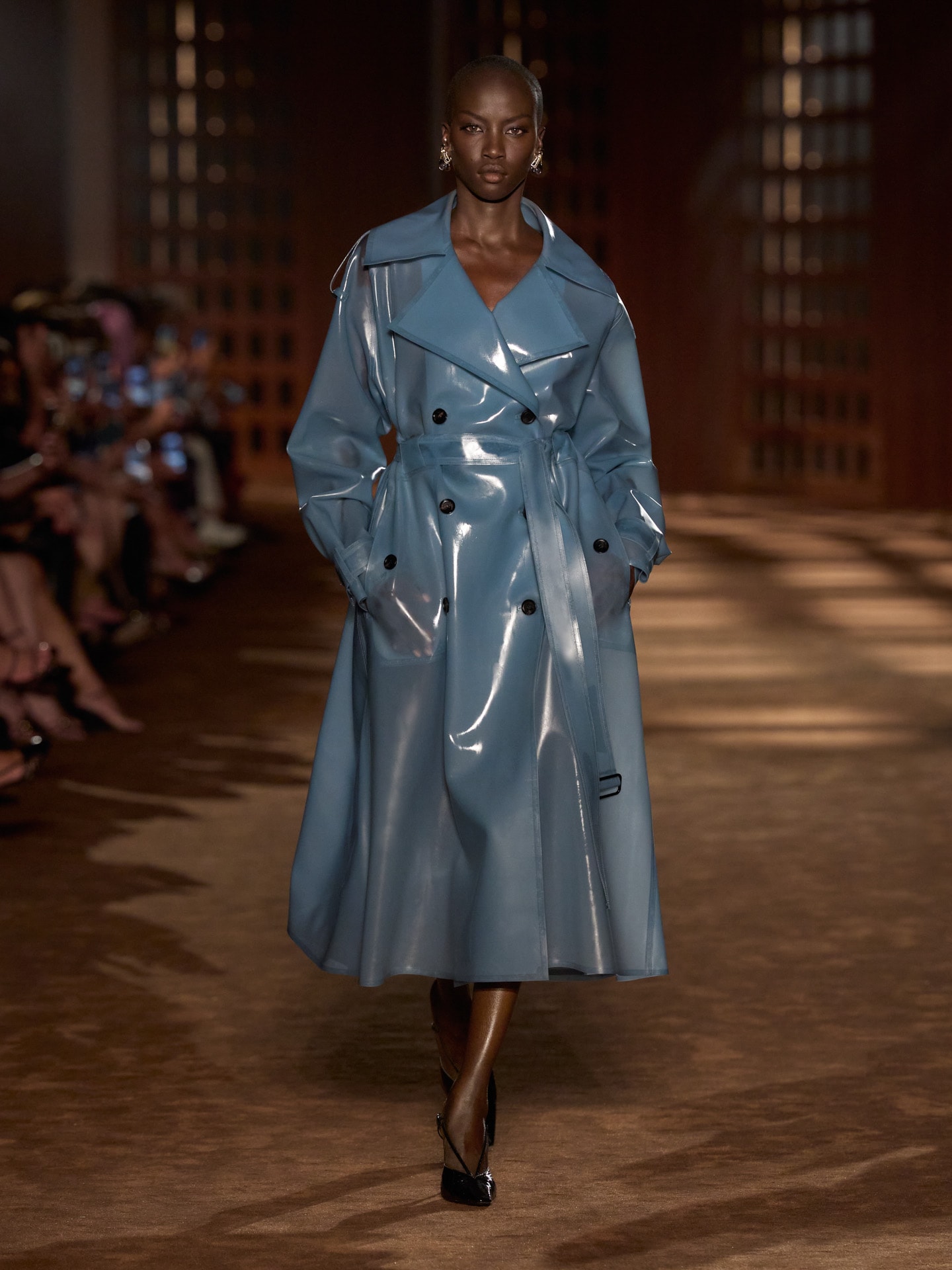
Look 22
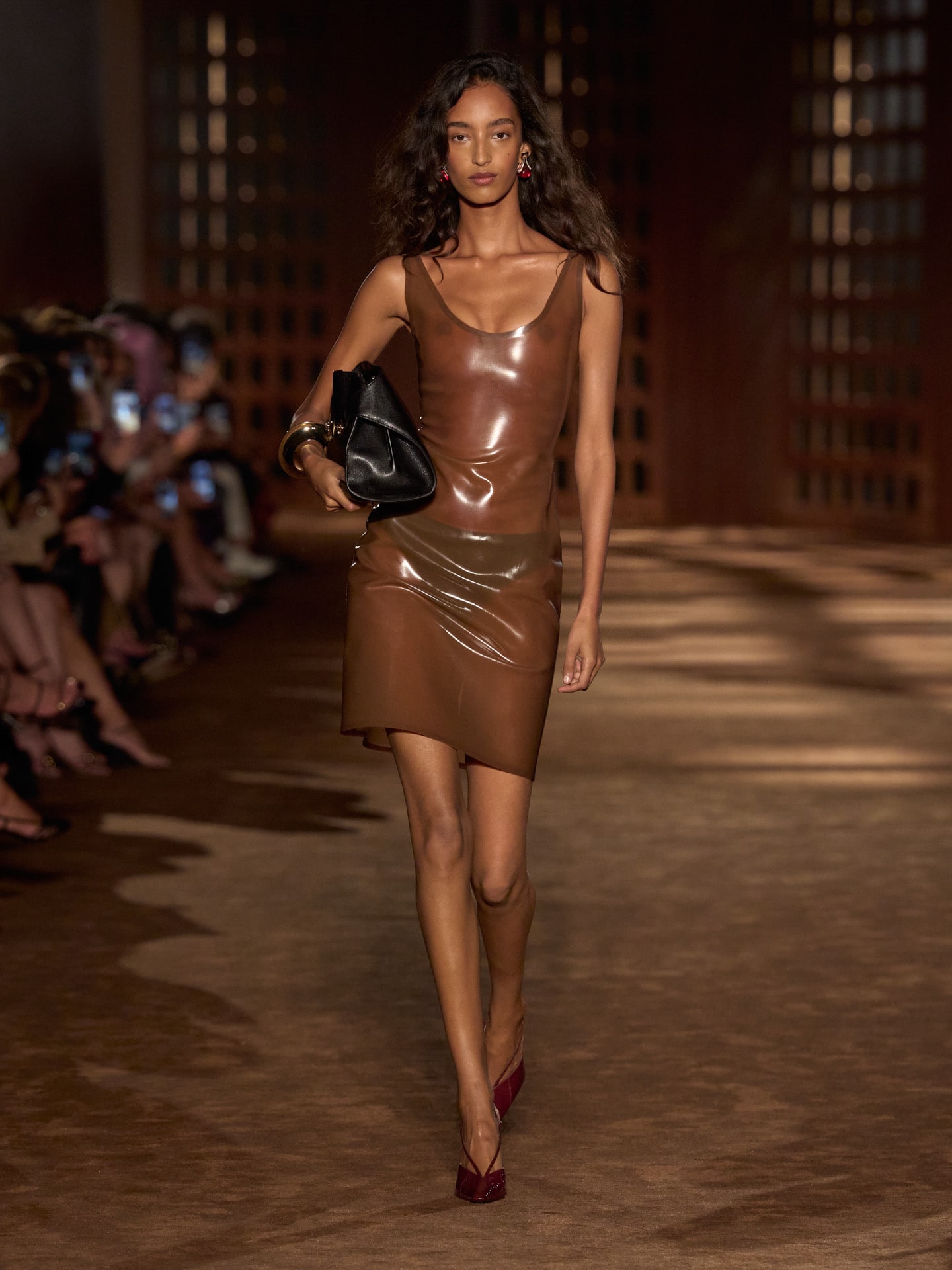
Look 23
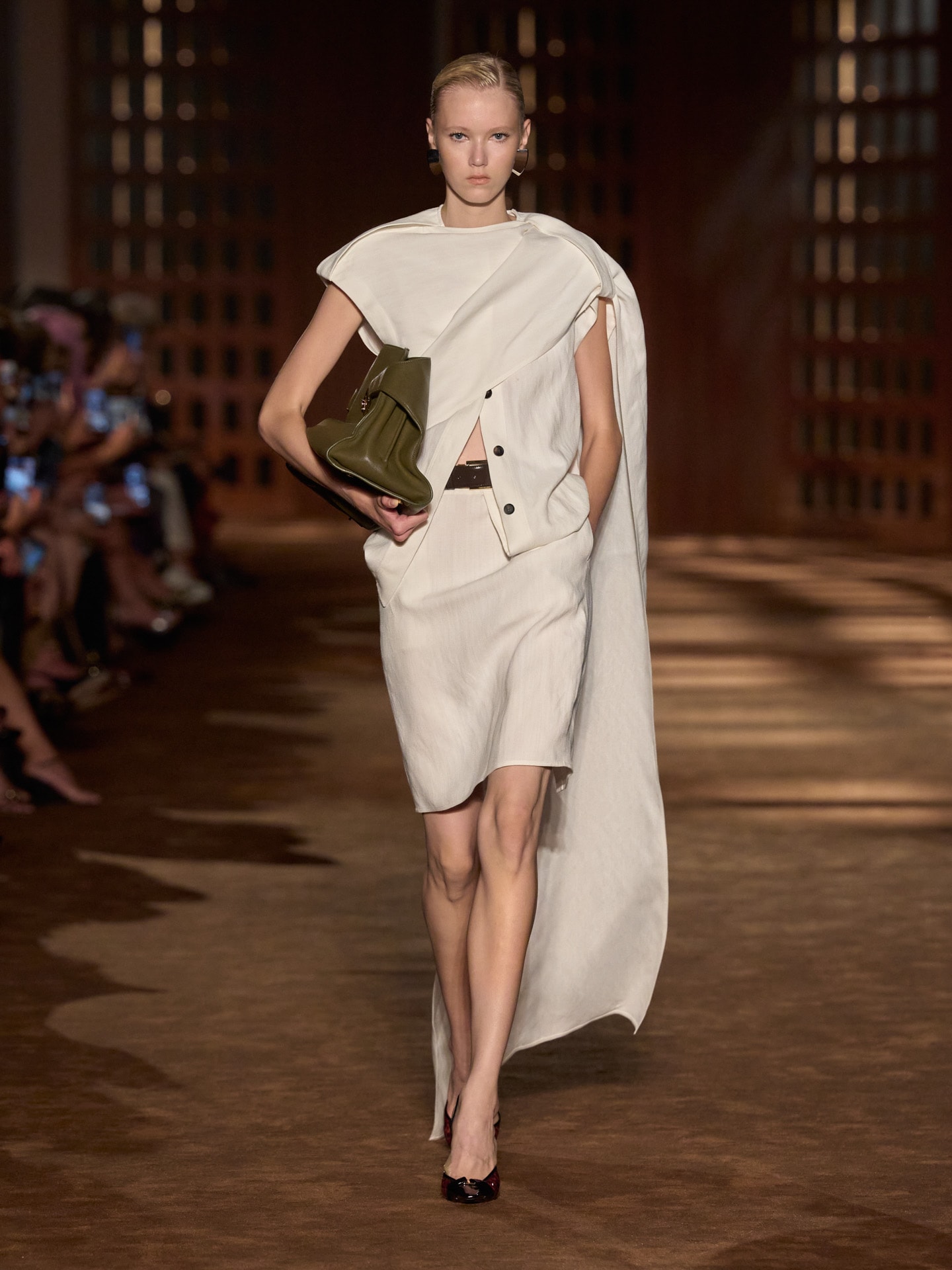
Look 24
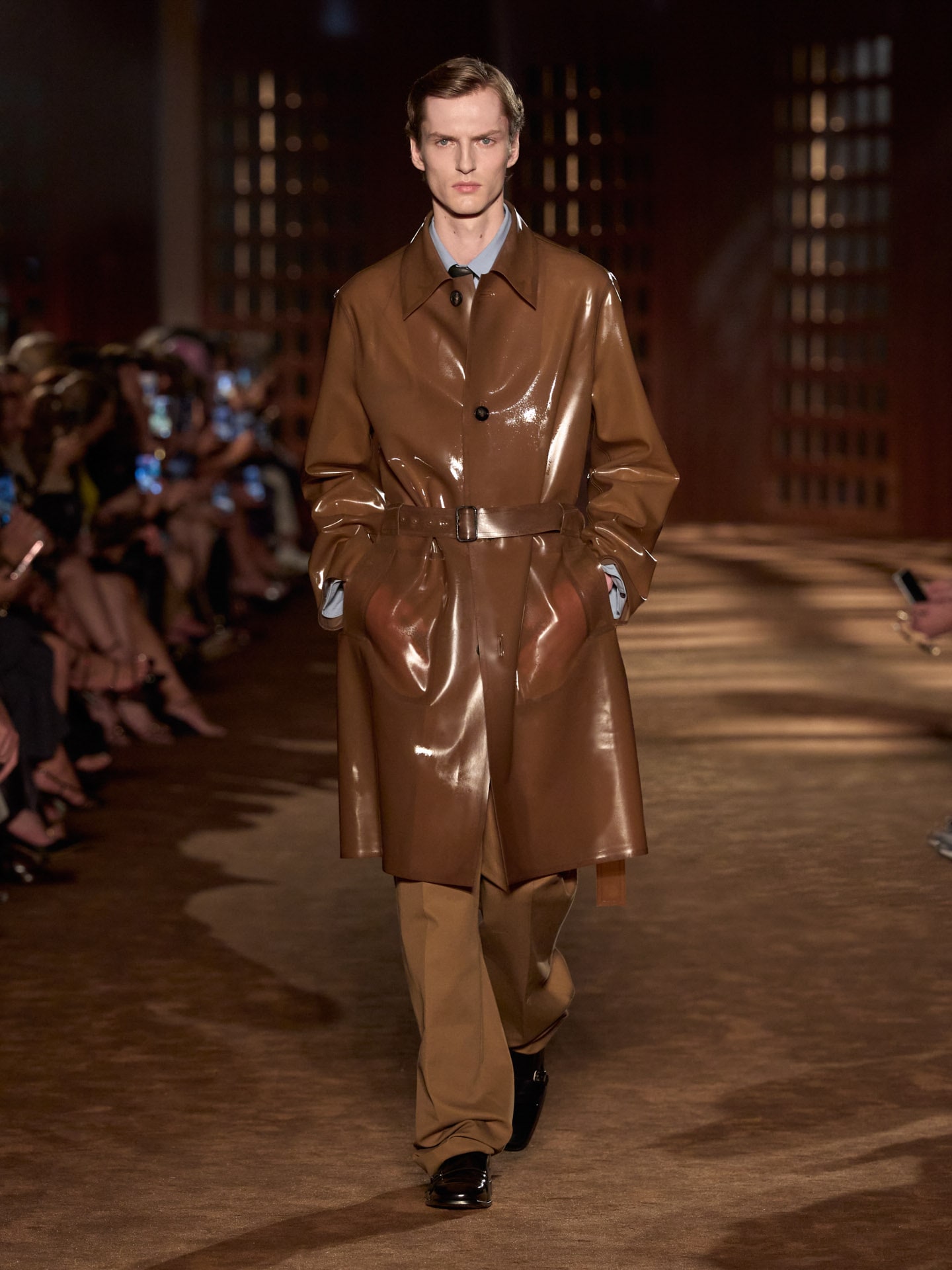
Look 25
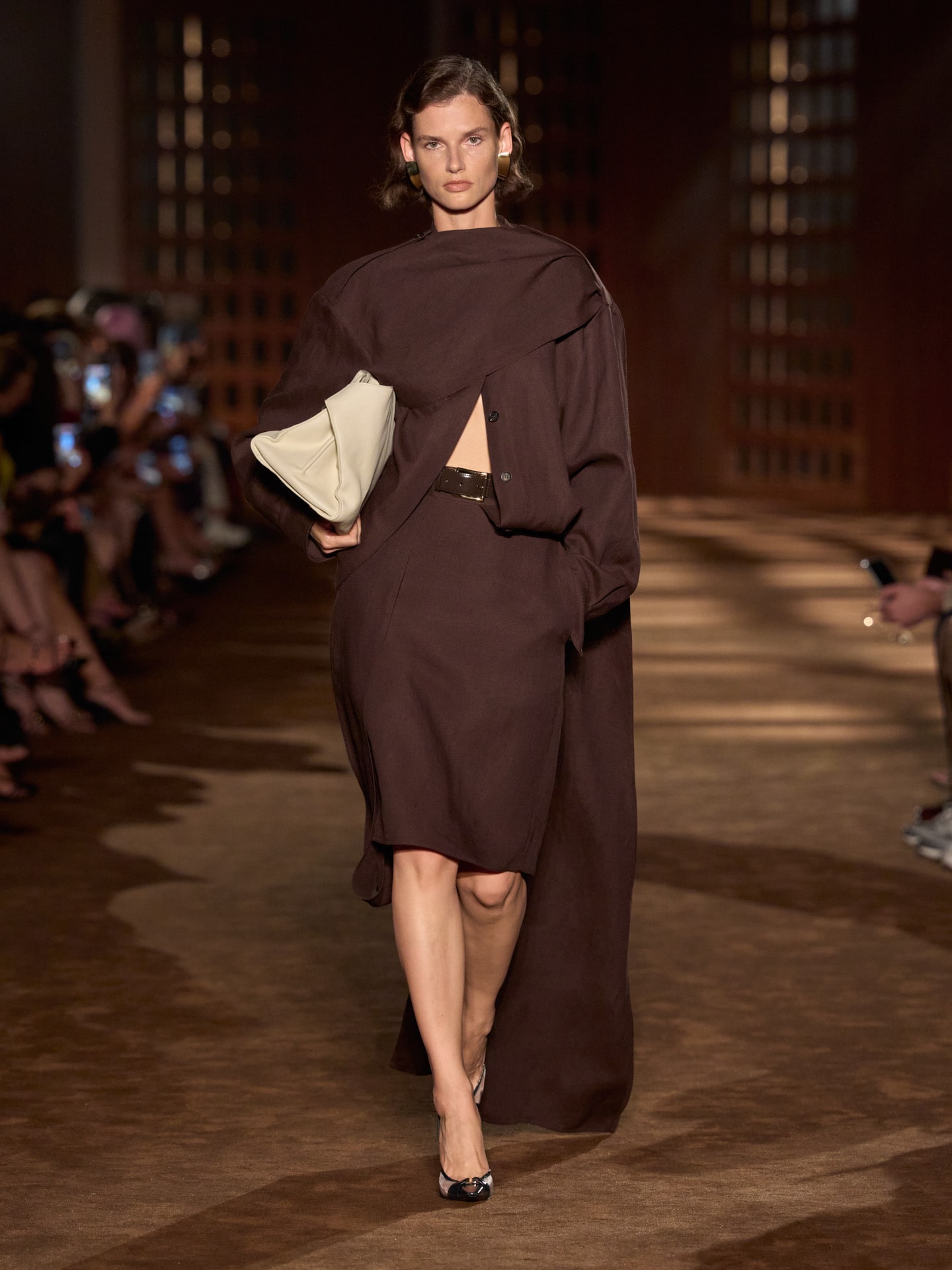
Look 26
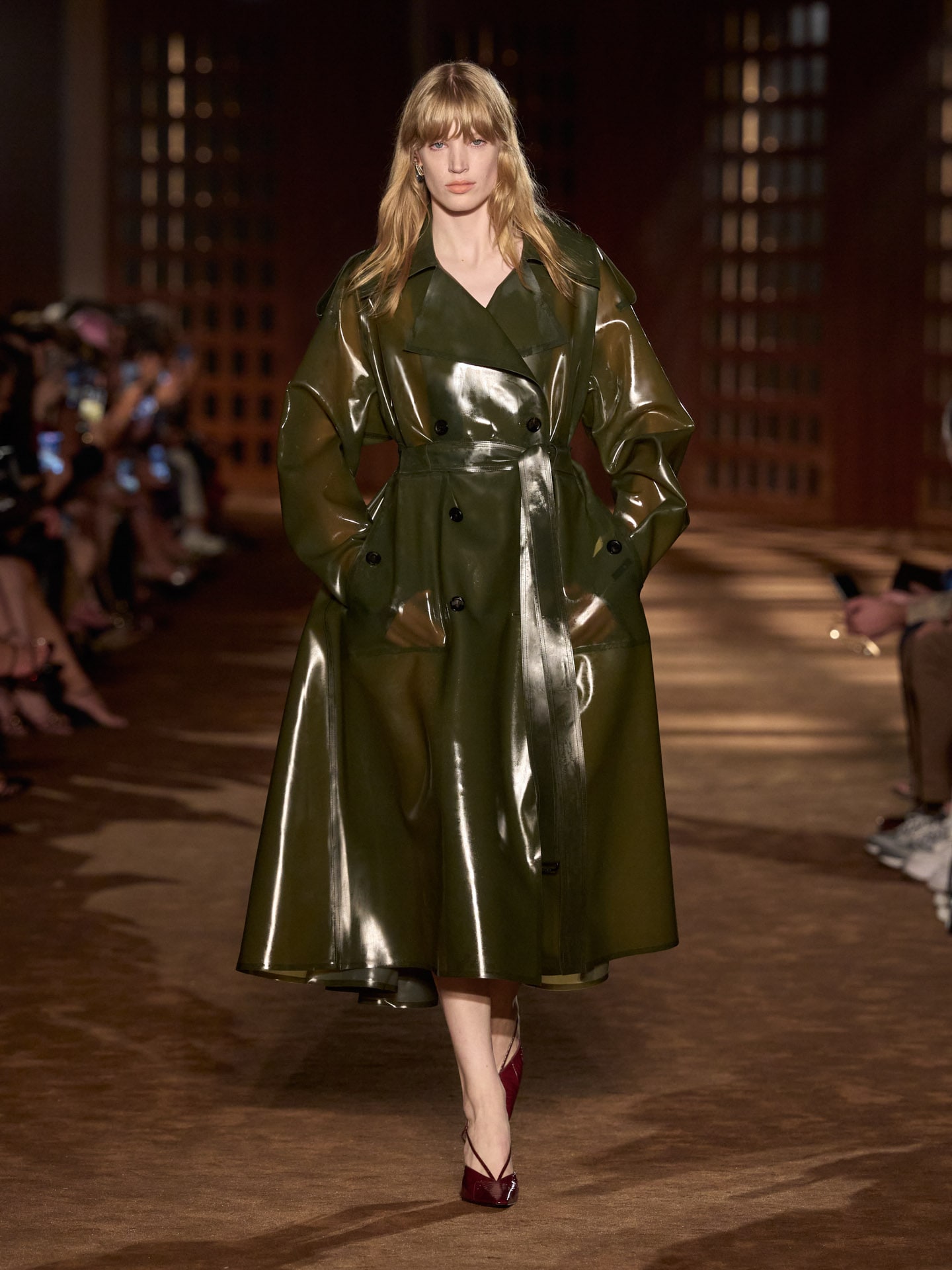
Look 27
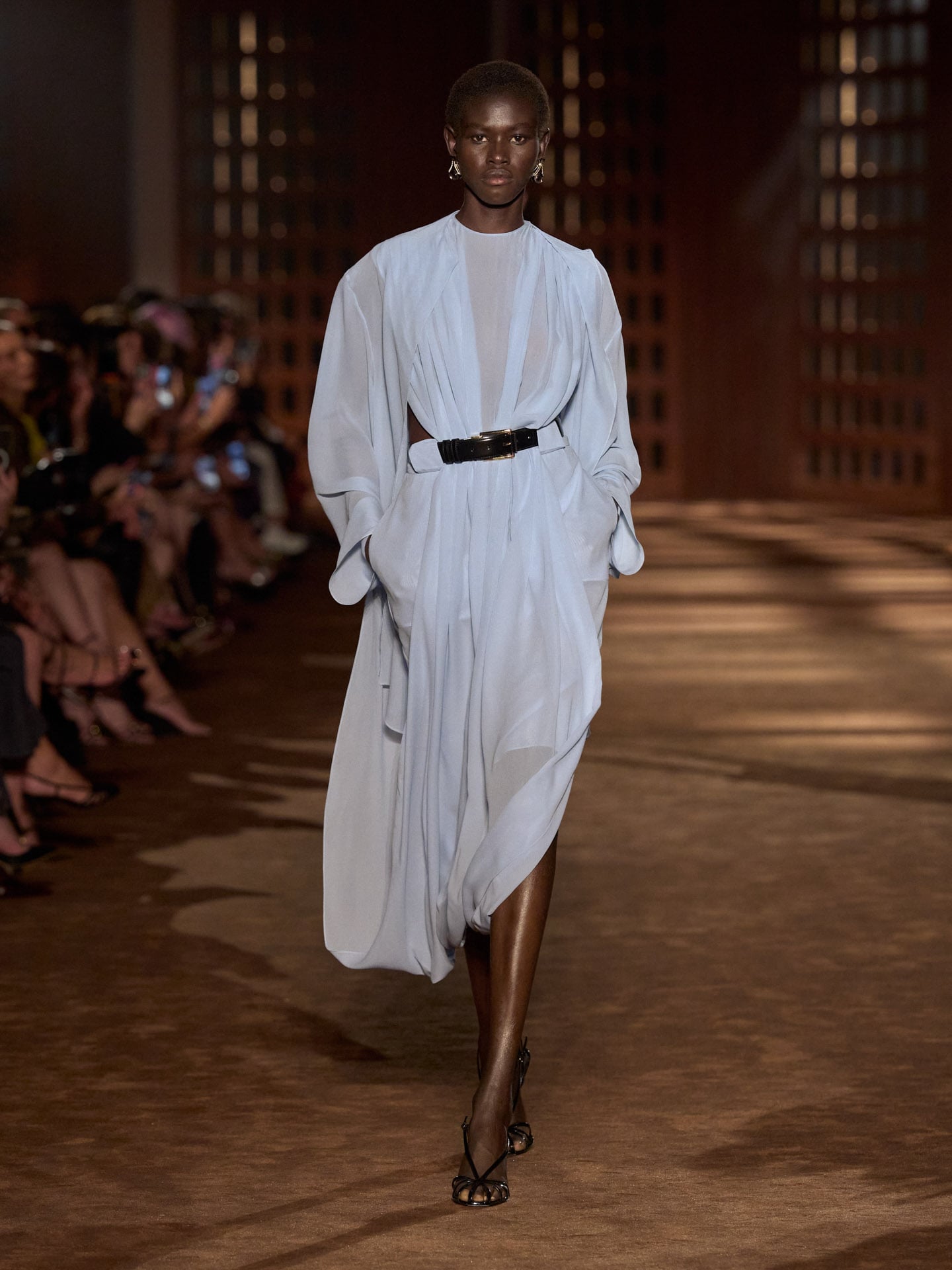
Look 28
Look 29
Look 30
Look 31
Look 32
Look 33
Look 34
Look 35
Look 36
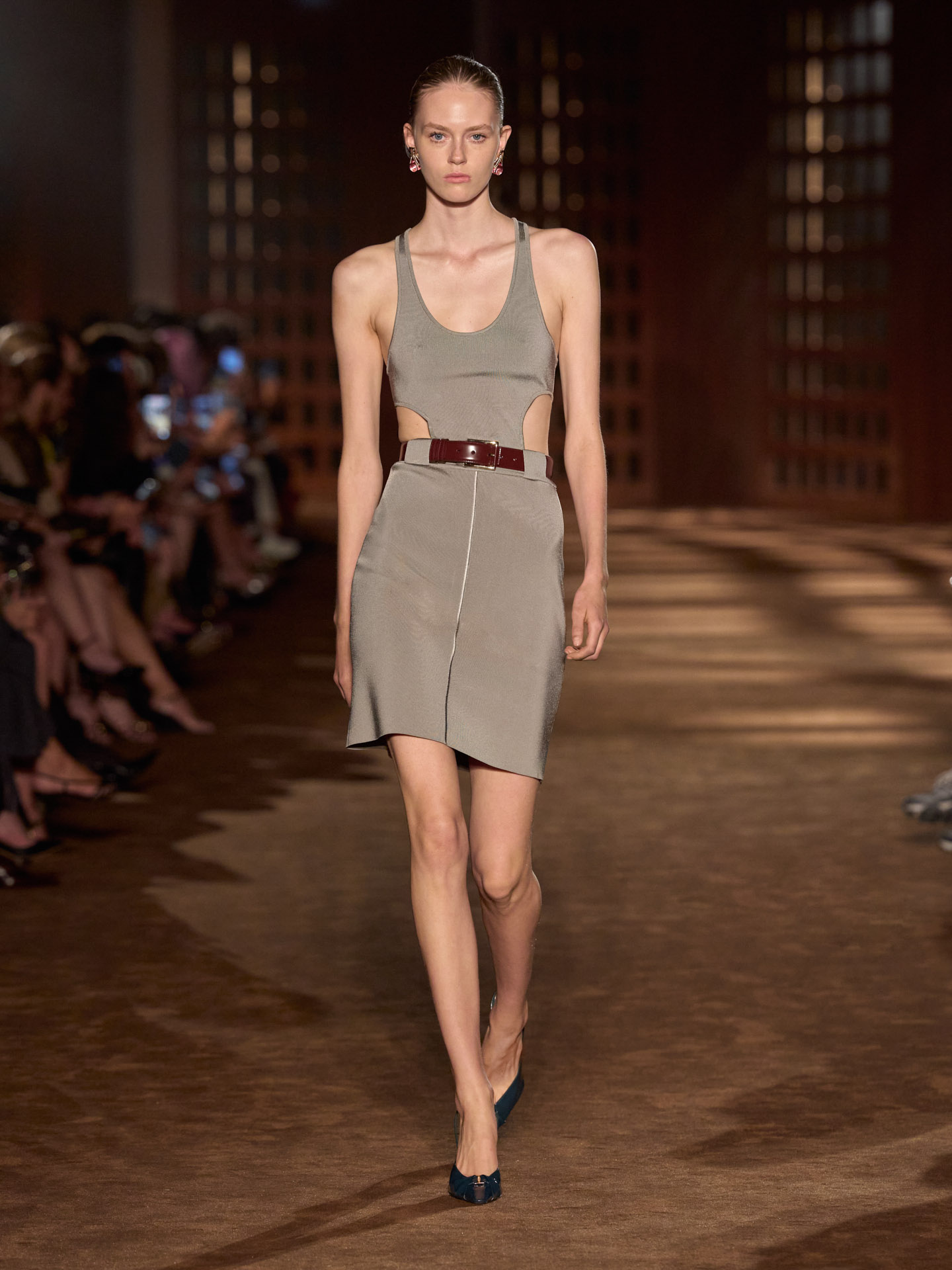
Look 37
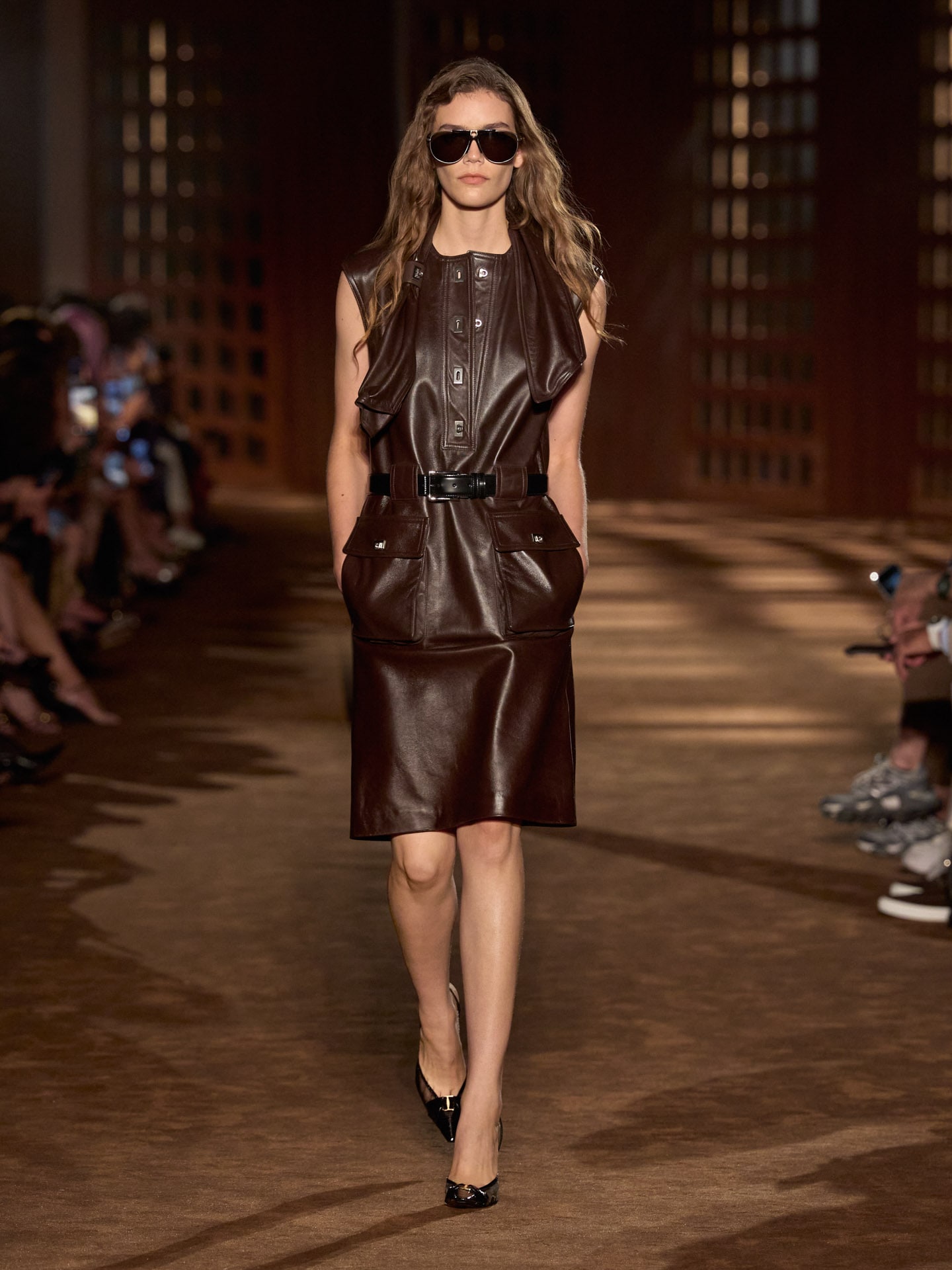
Look 38
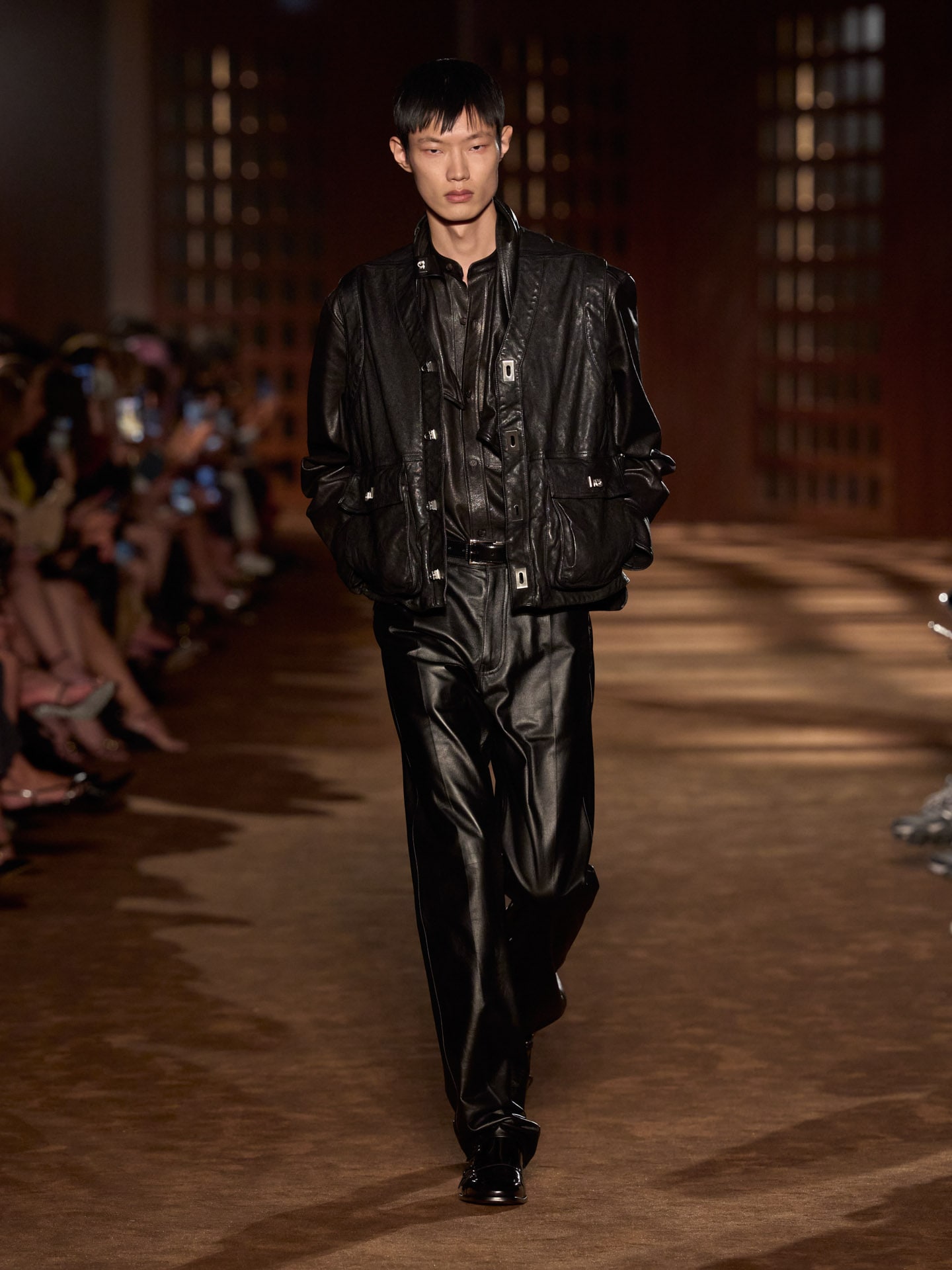
Look 39
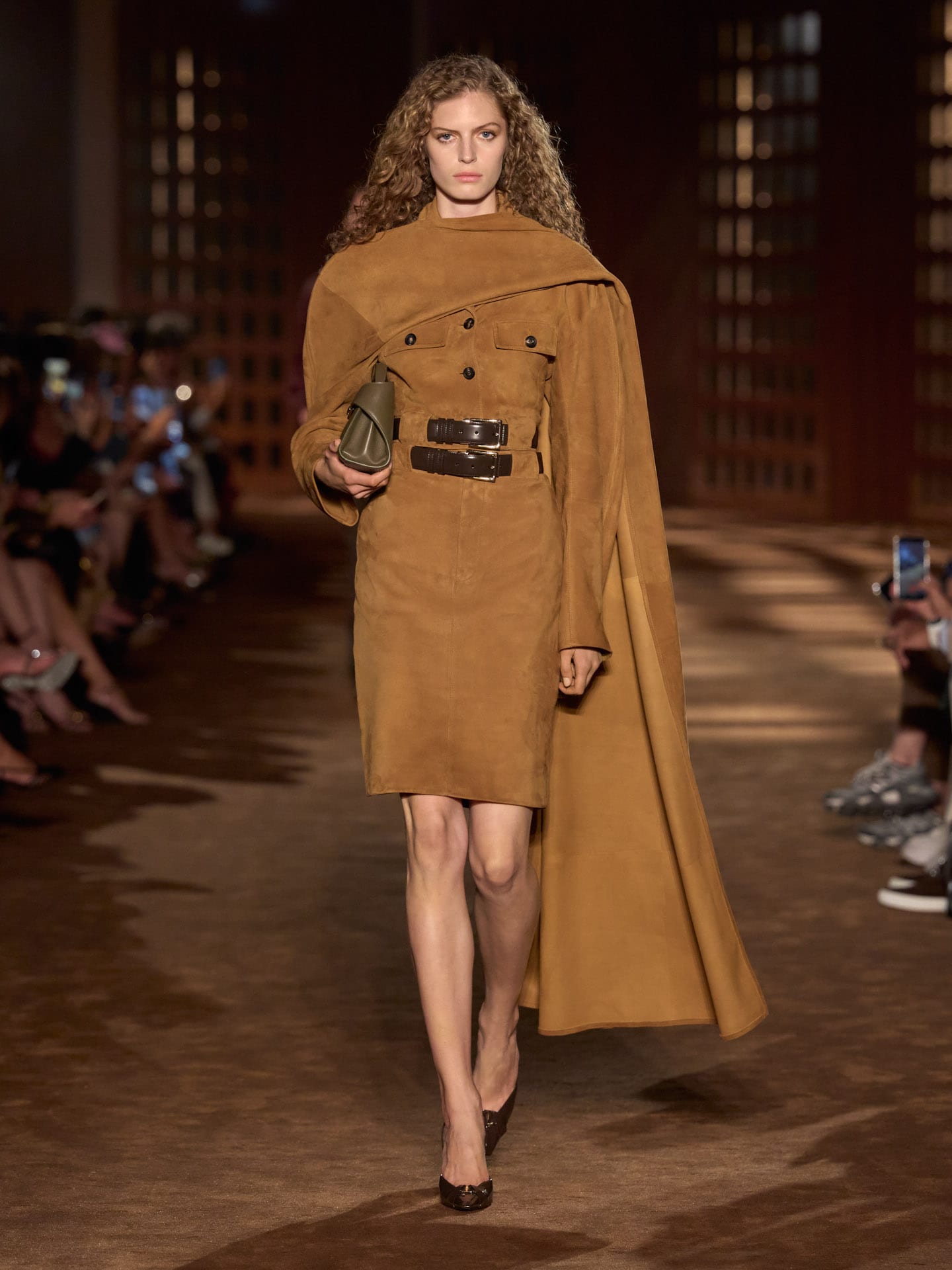
Look 40
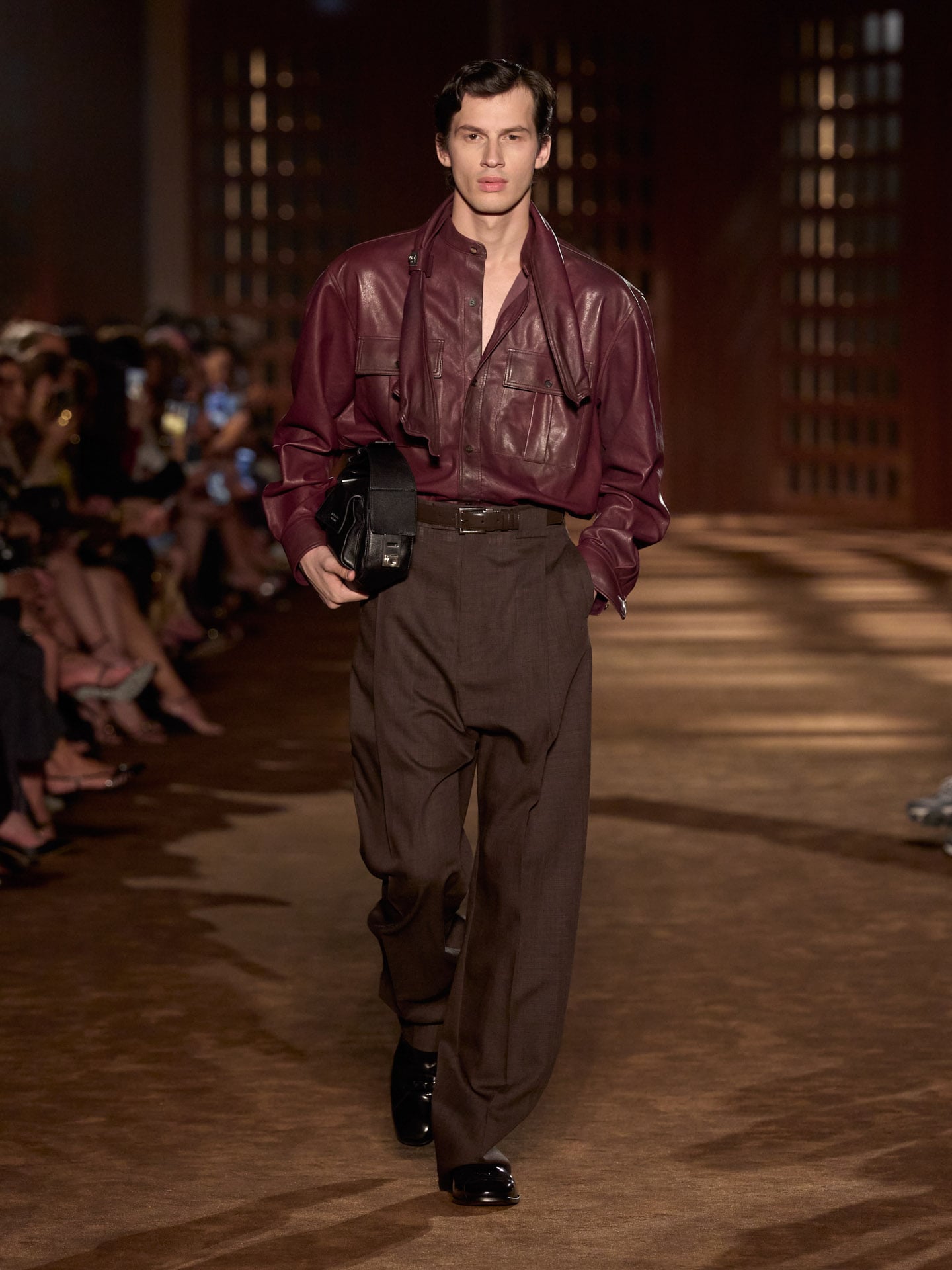
Look 41
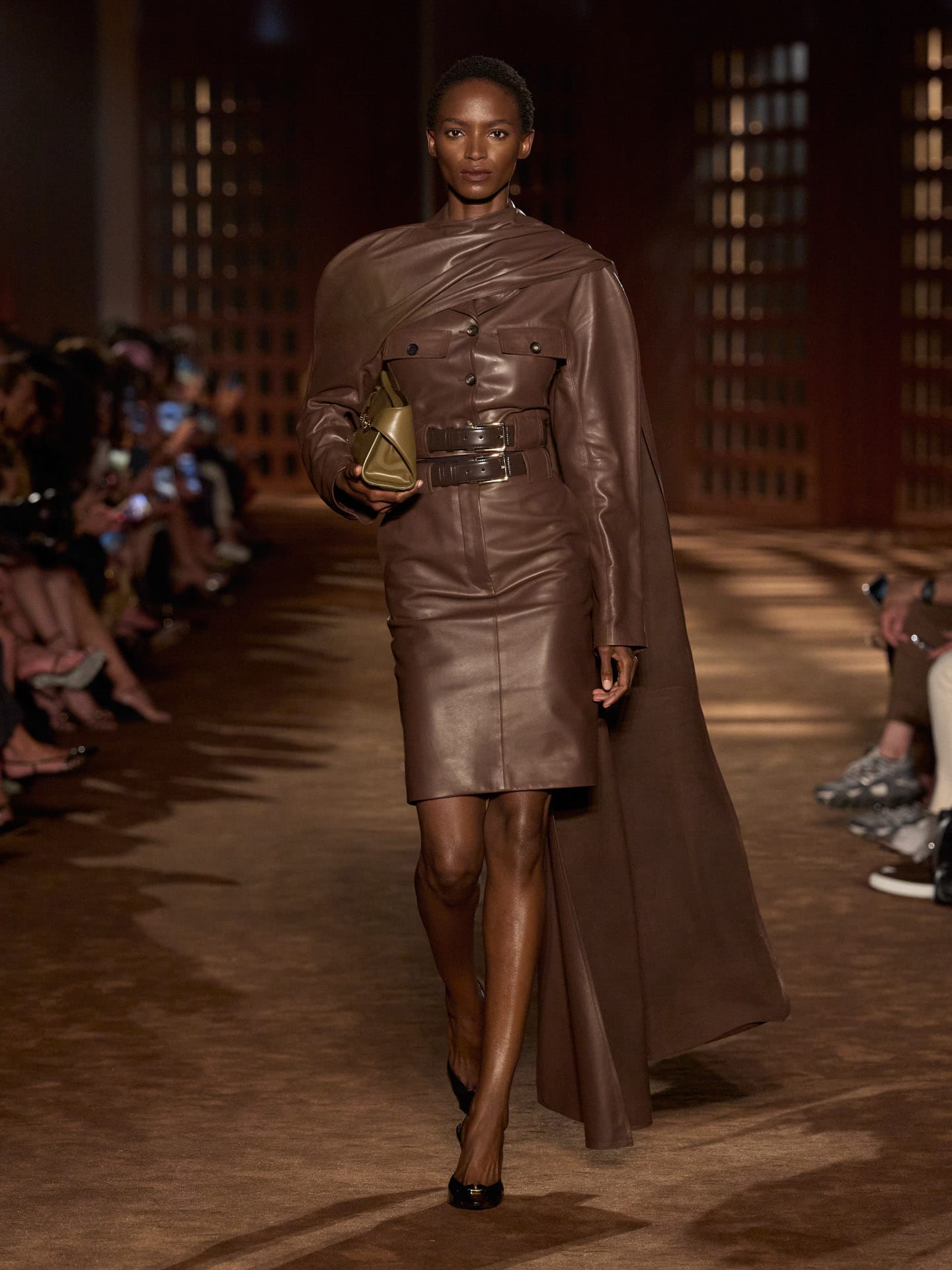
Look 42
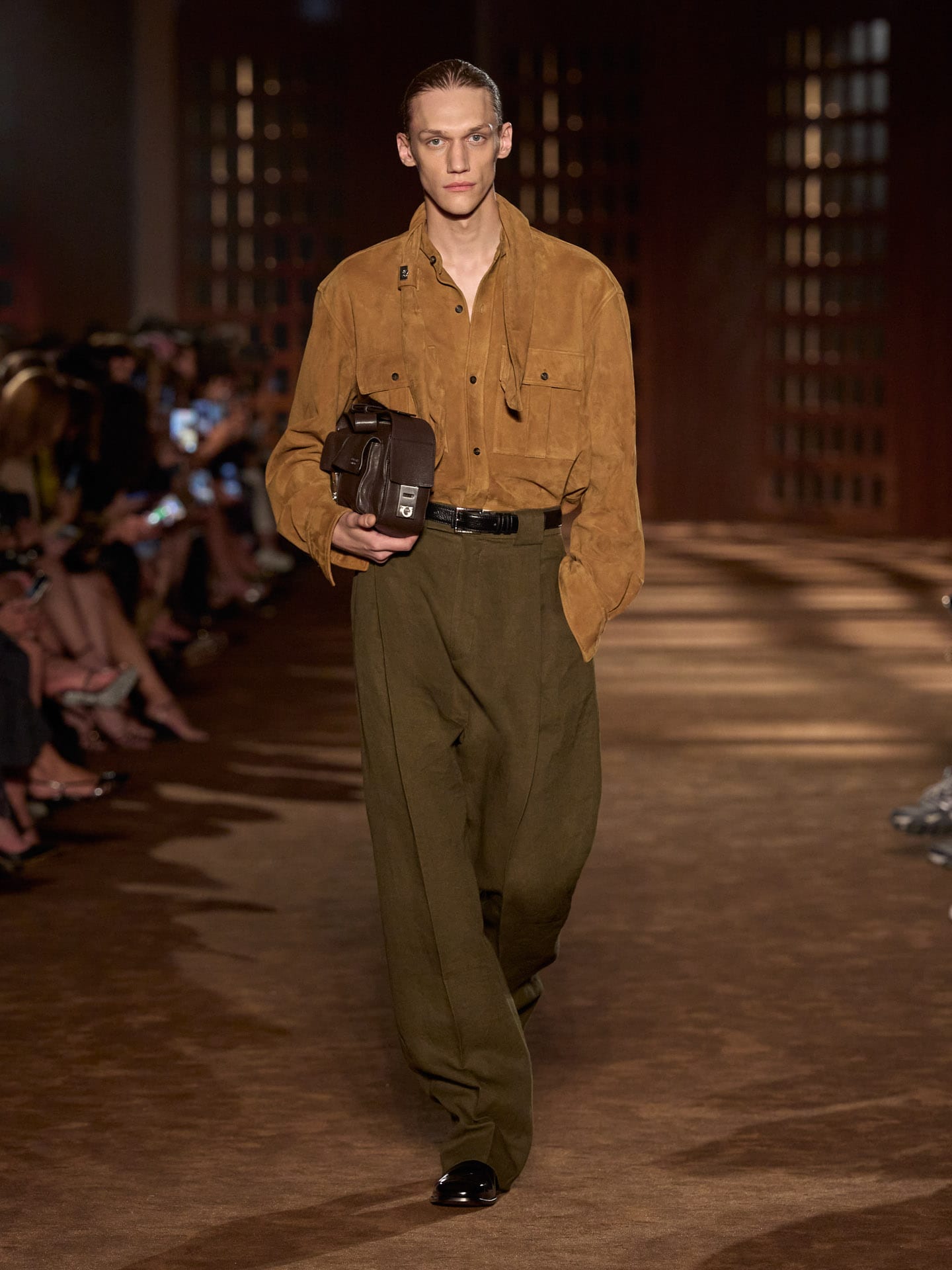
Look 43
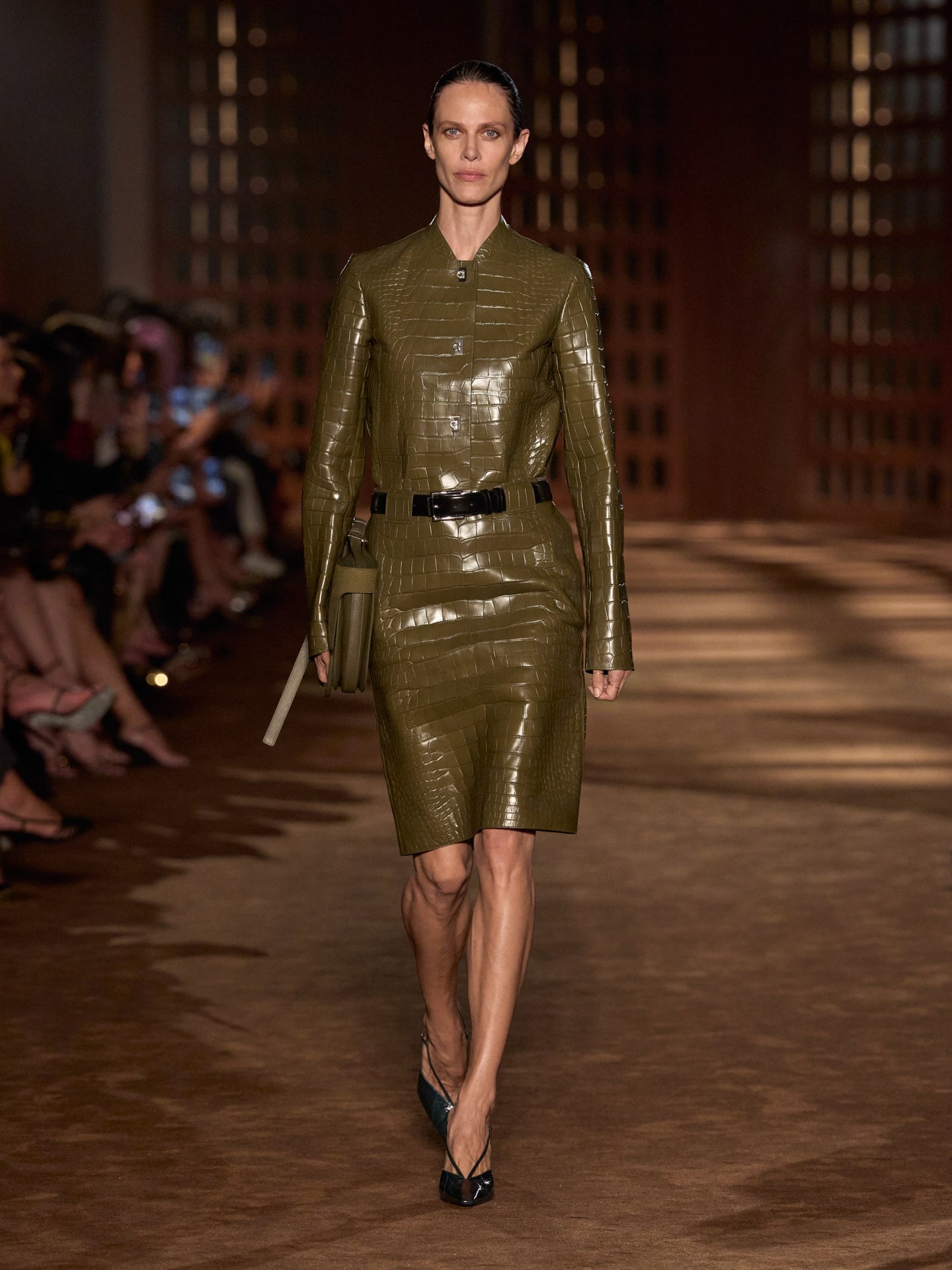
Look 44
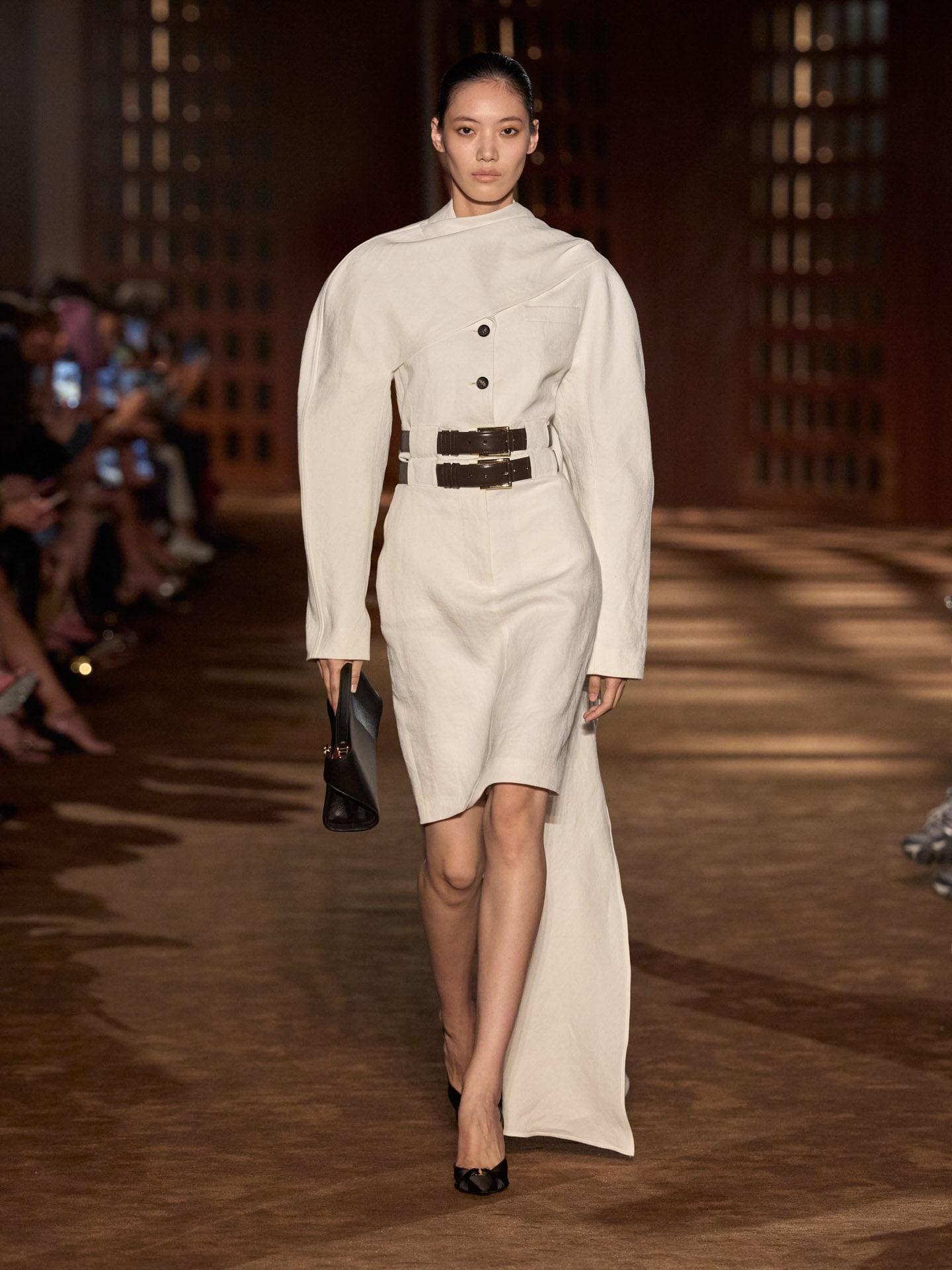
Look 45
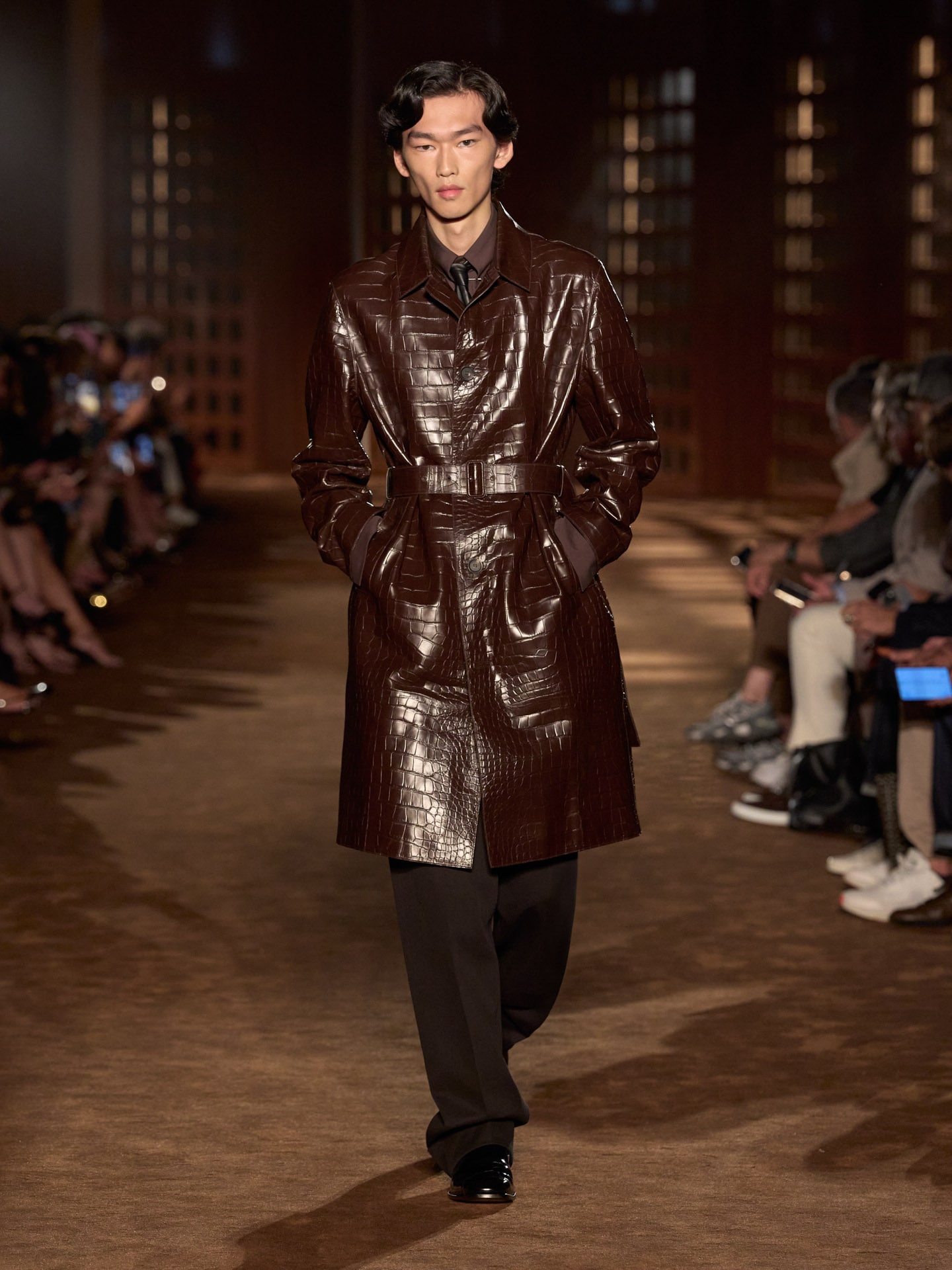
Look 46
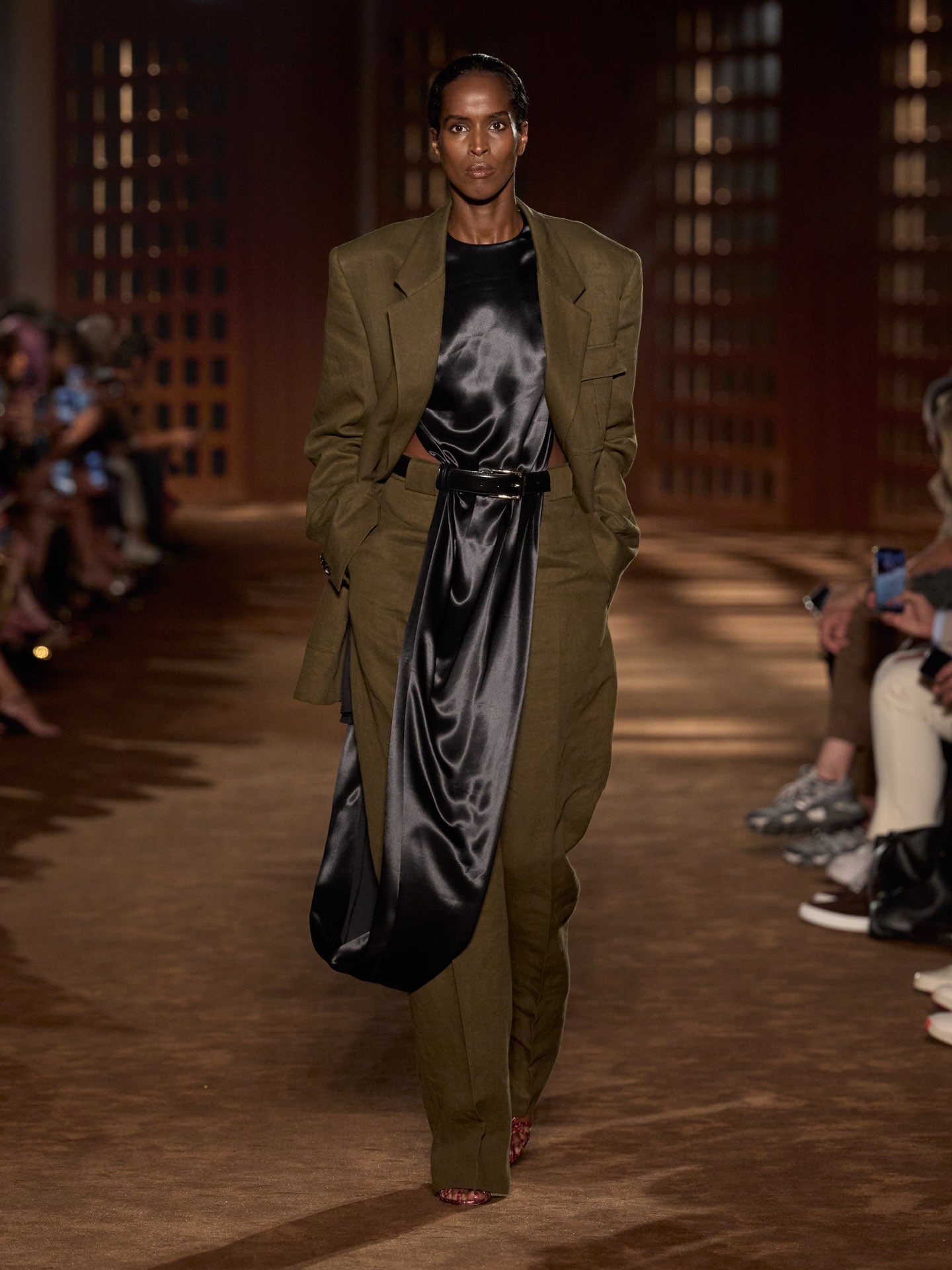
Look 47
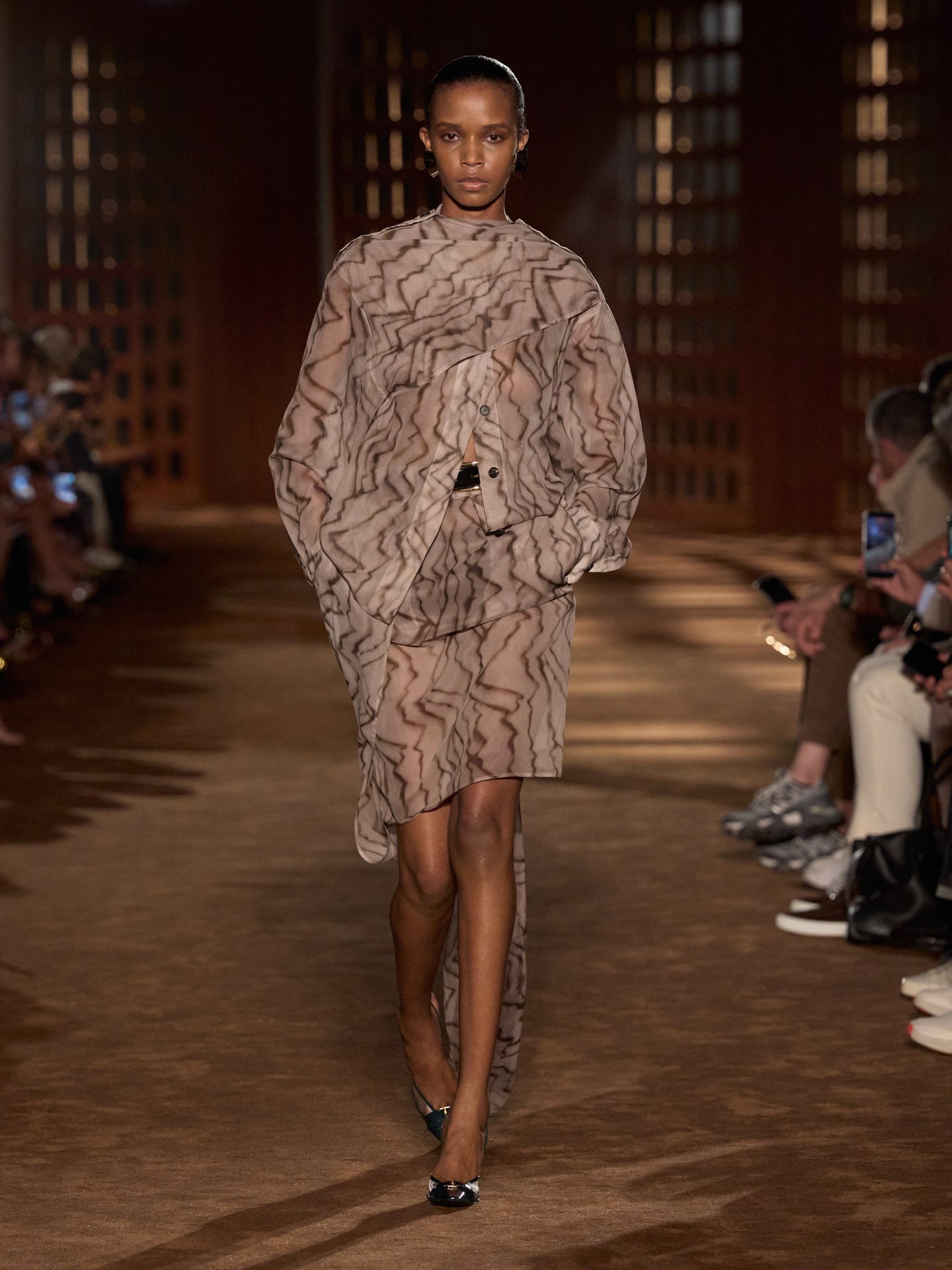
Look 48
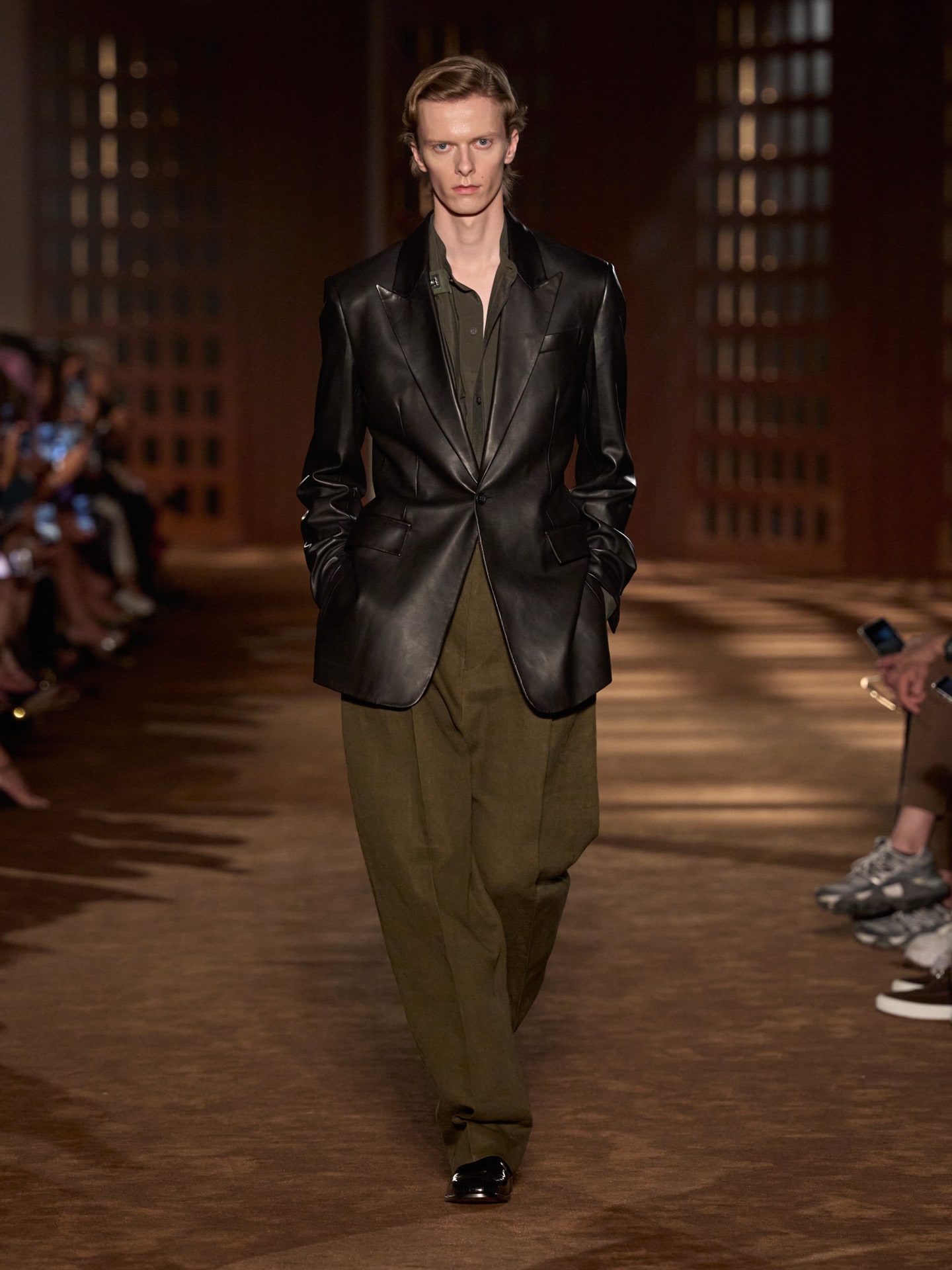
Look 49
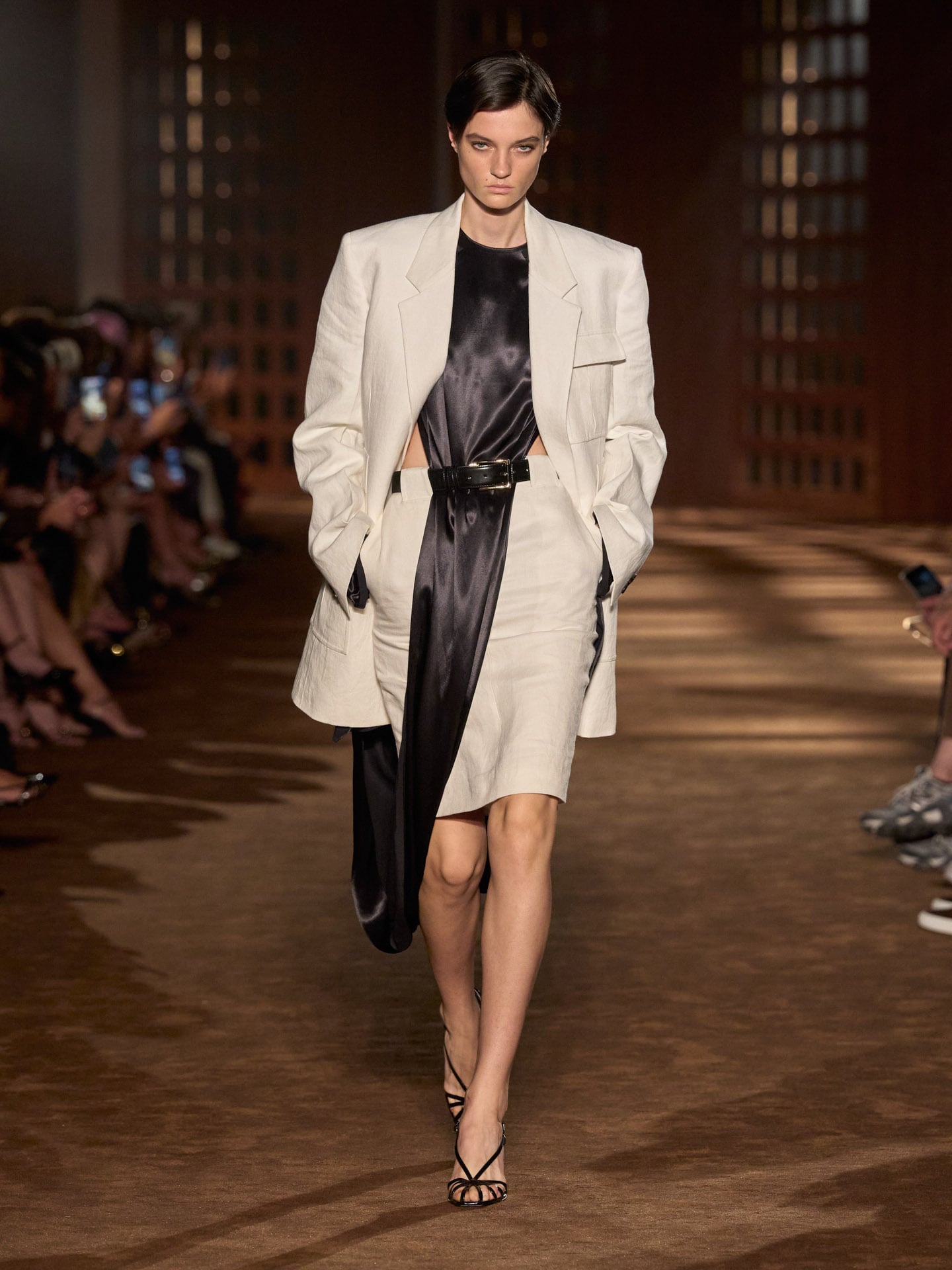
Look 50
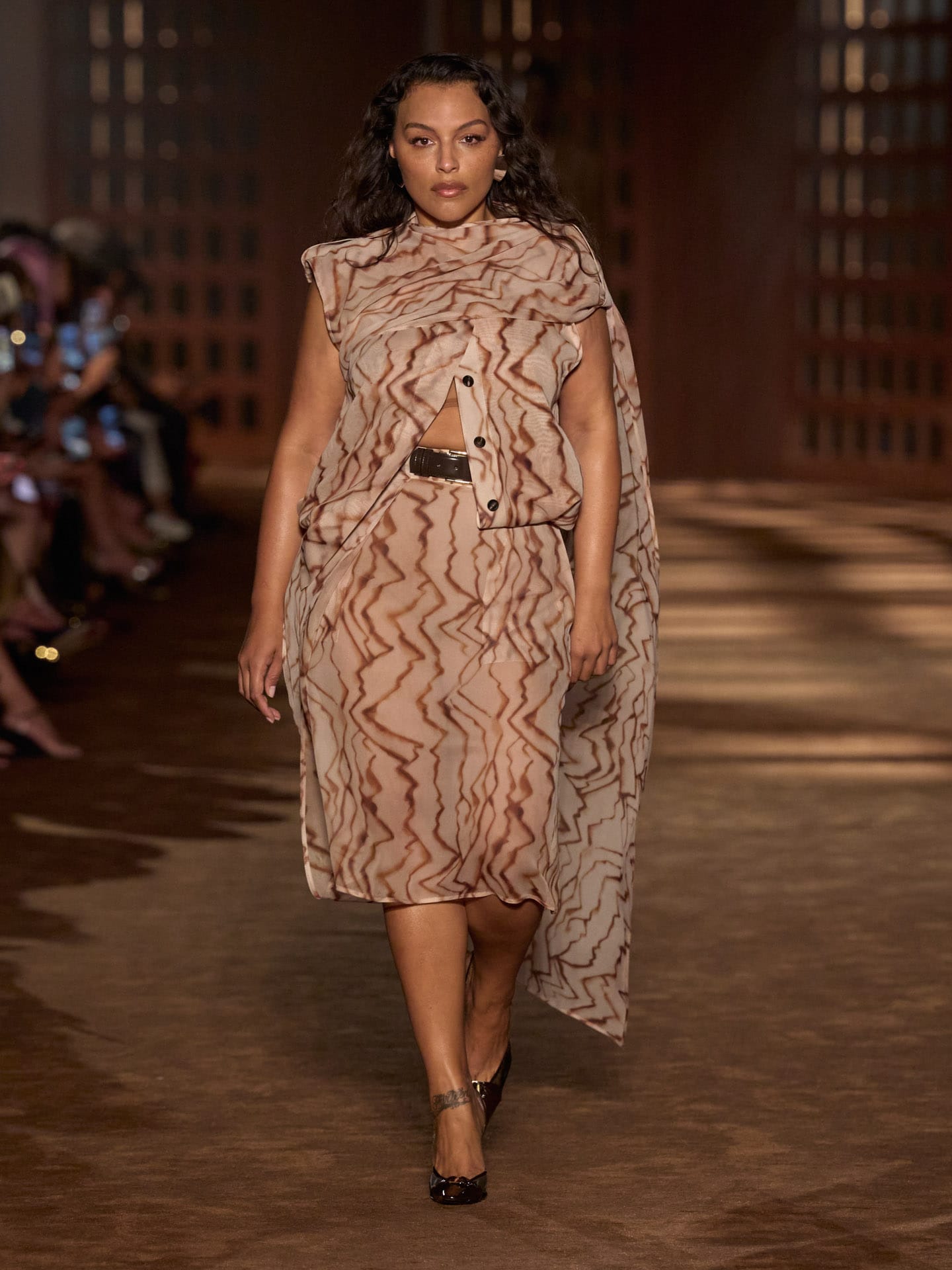
Look 51
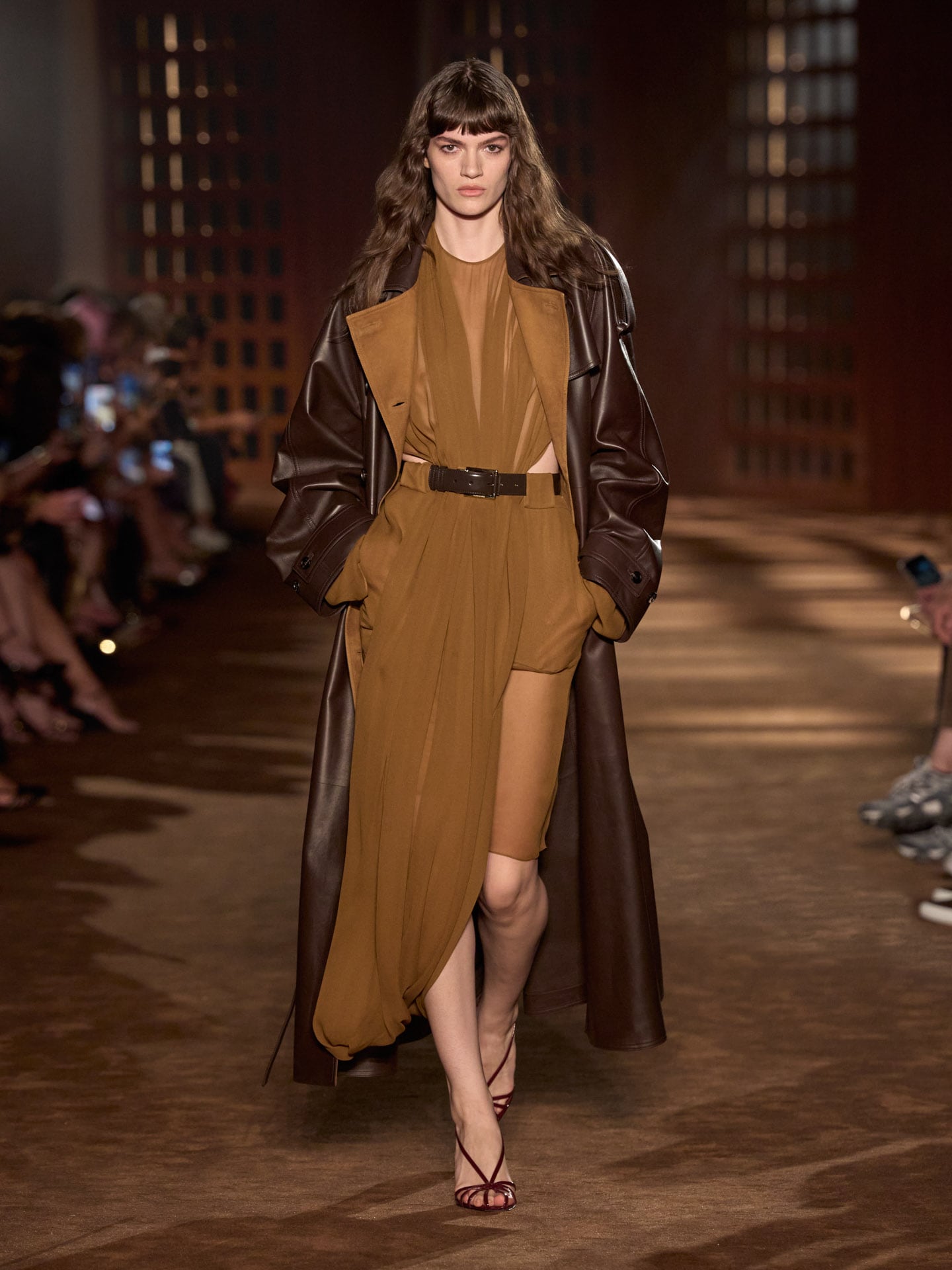
Look 52
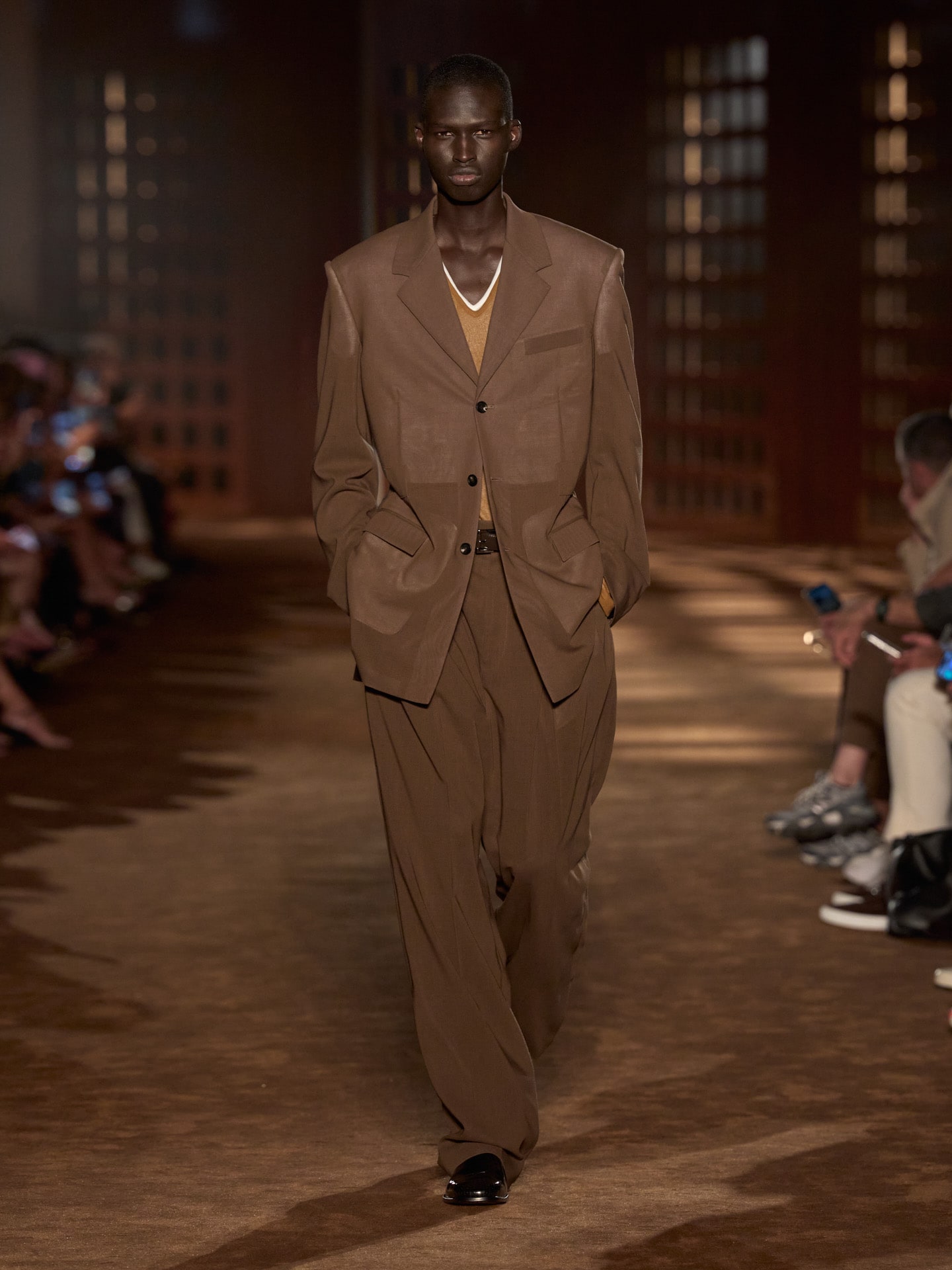
Look 53
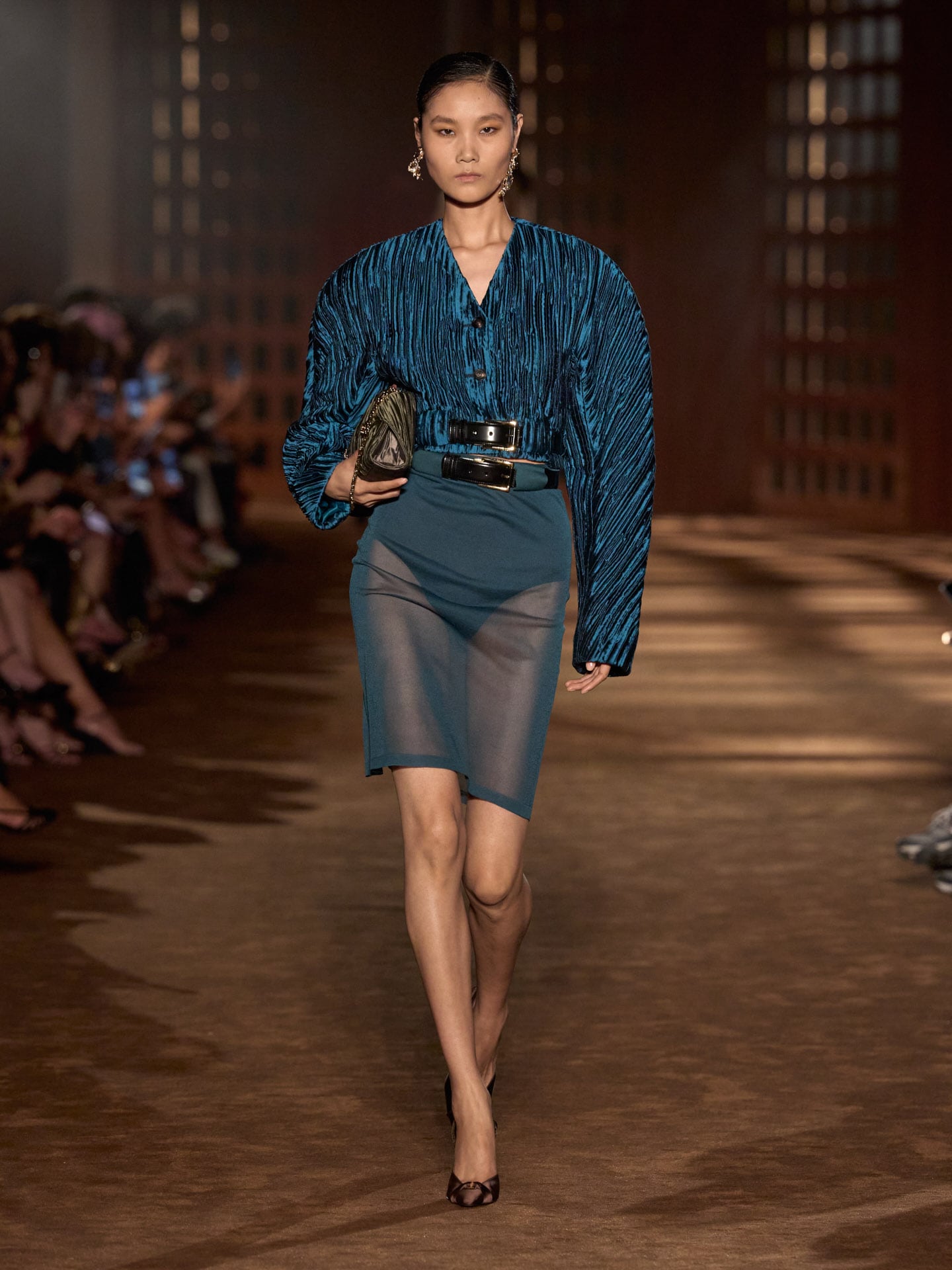
Look 54
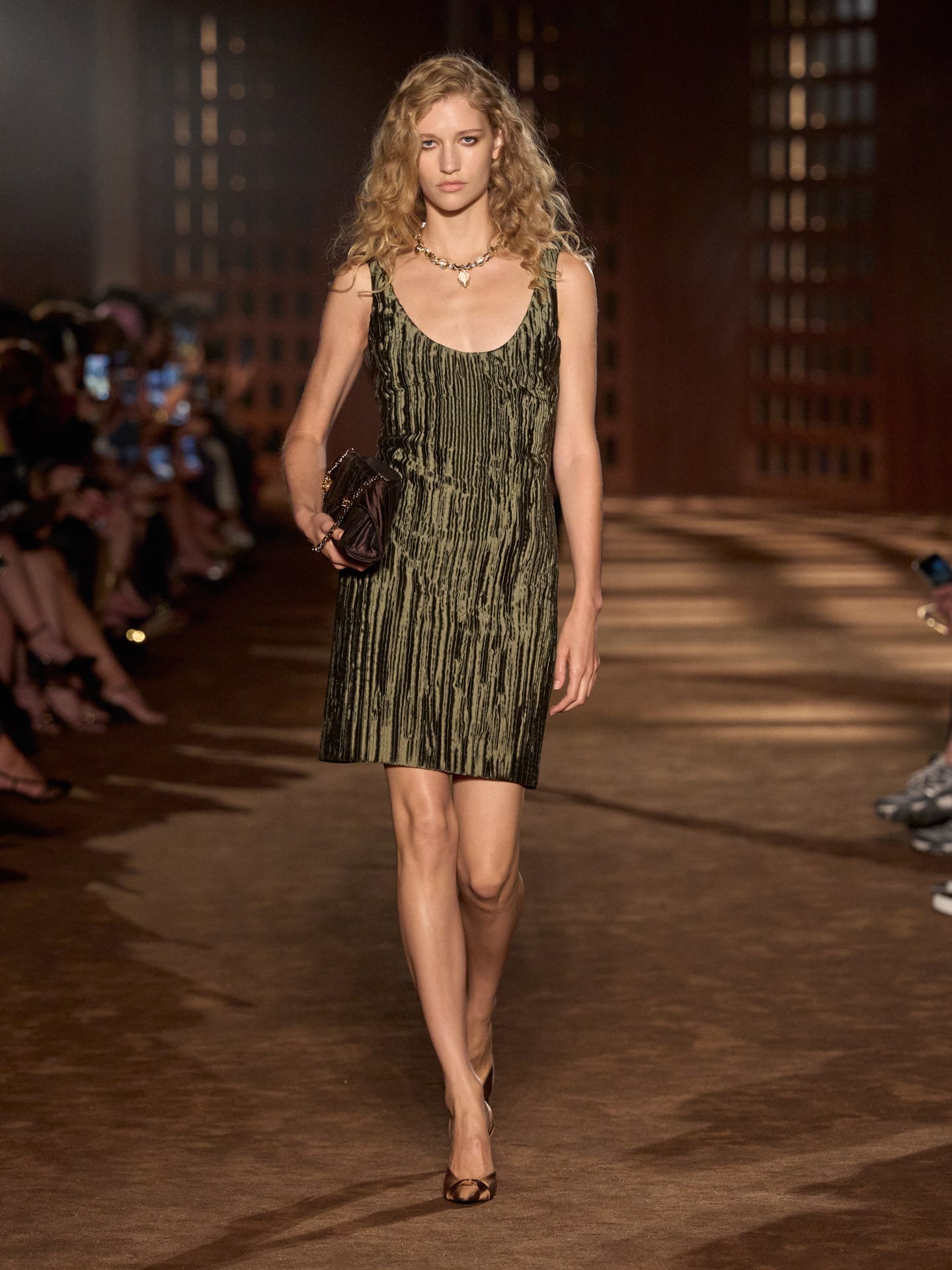
Look 55
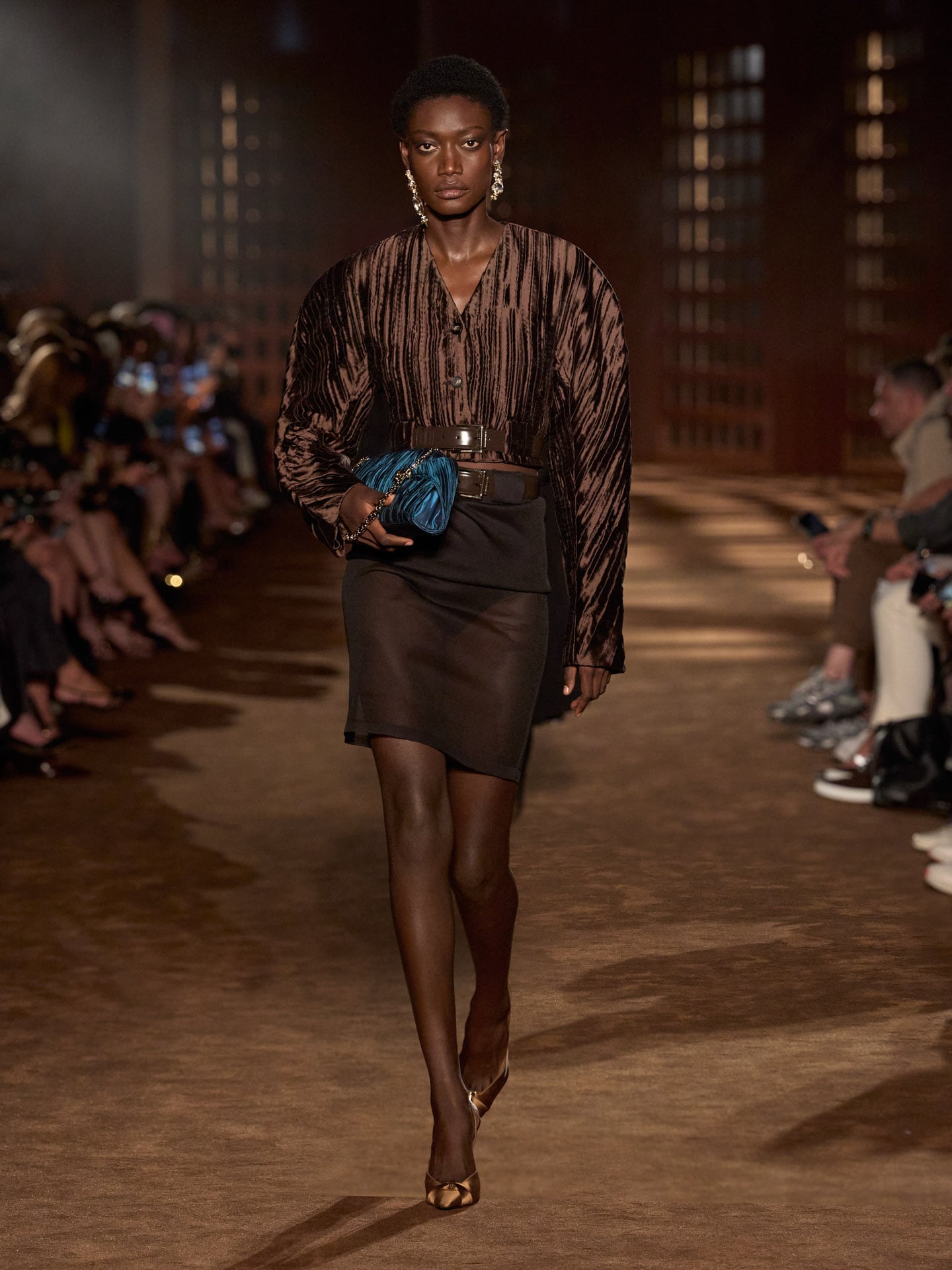
Look 56
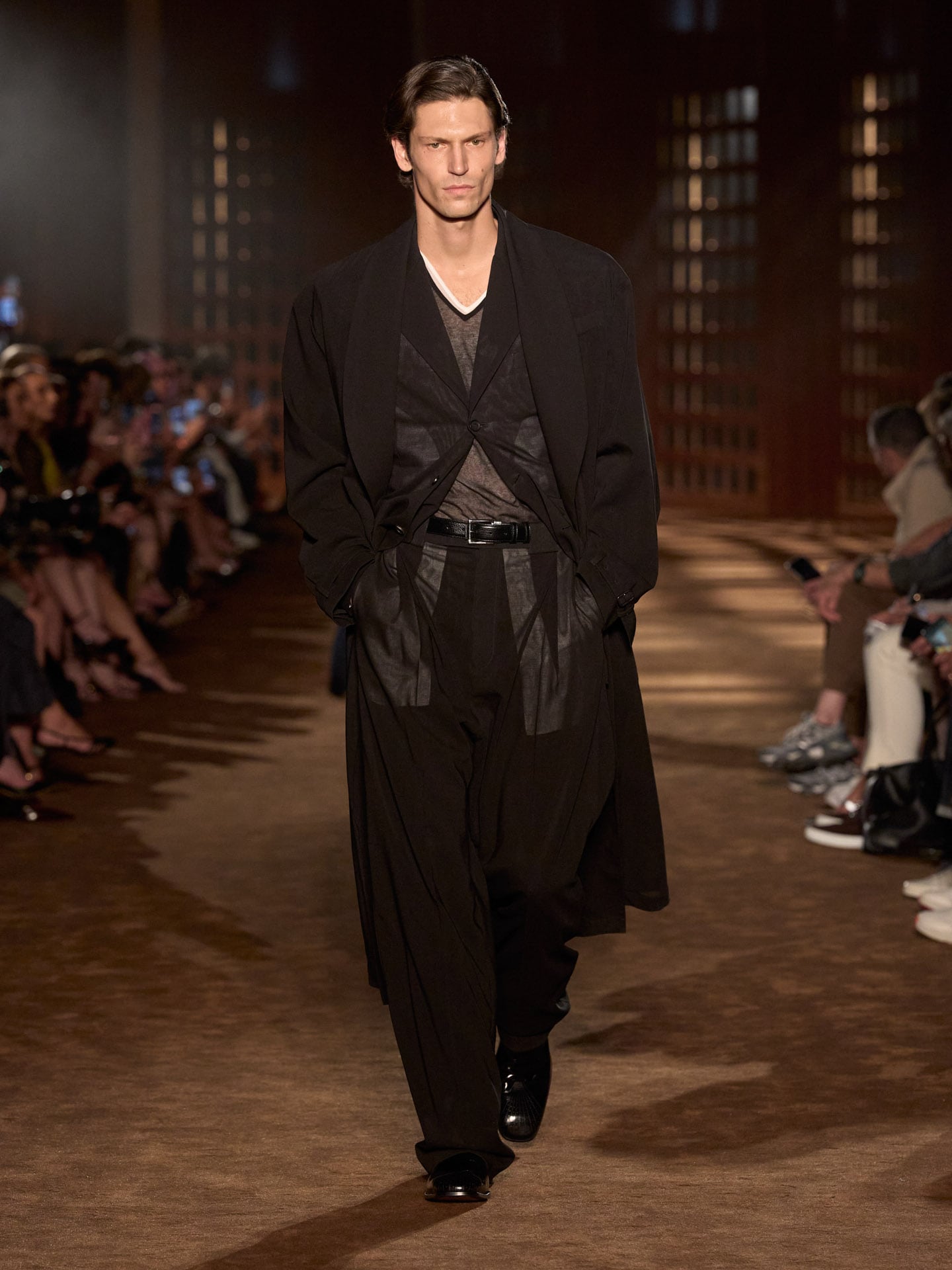
Look 57
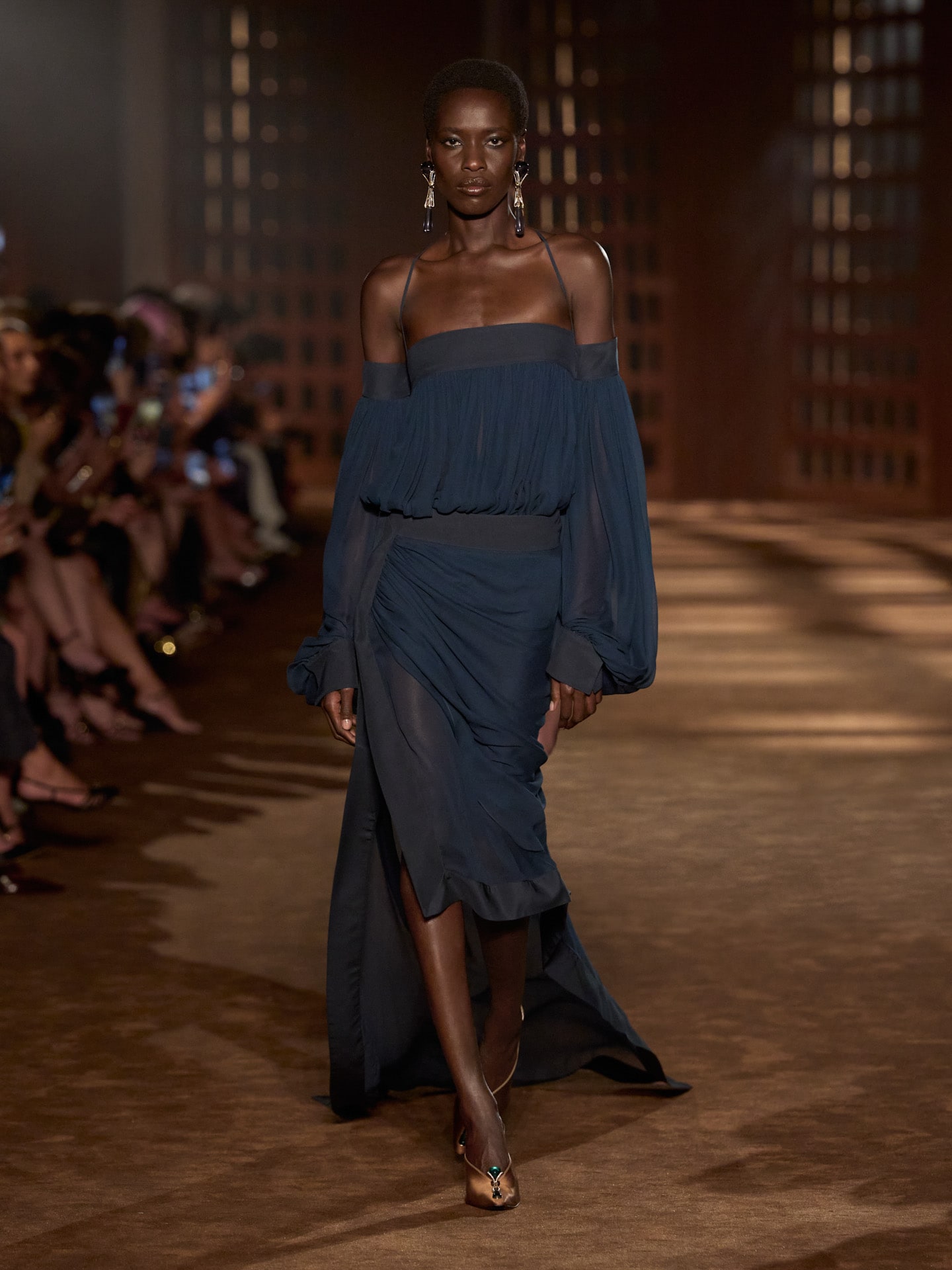
Look 58
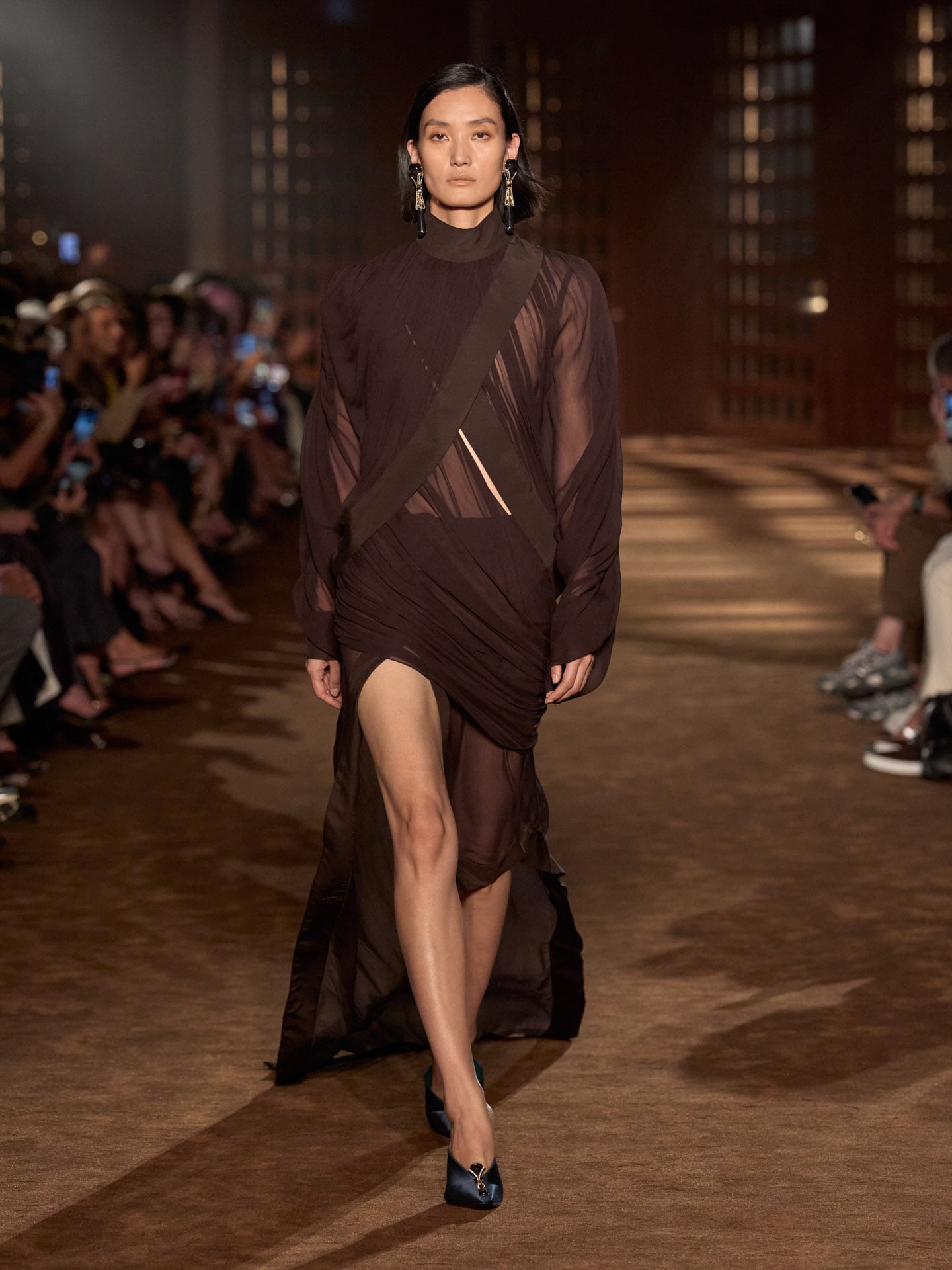
Look 59
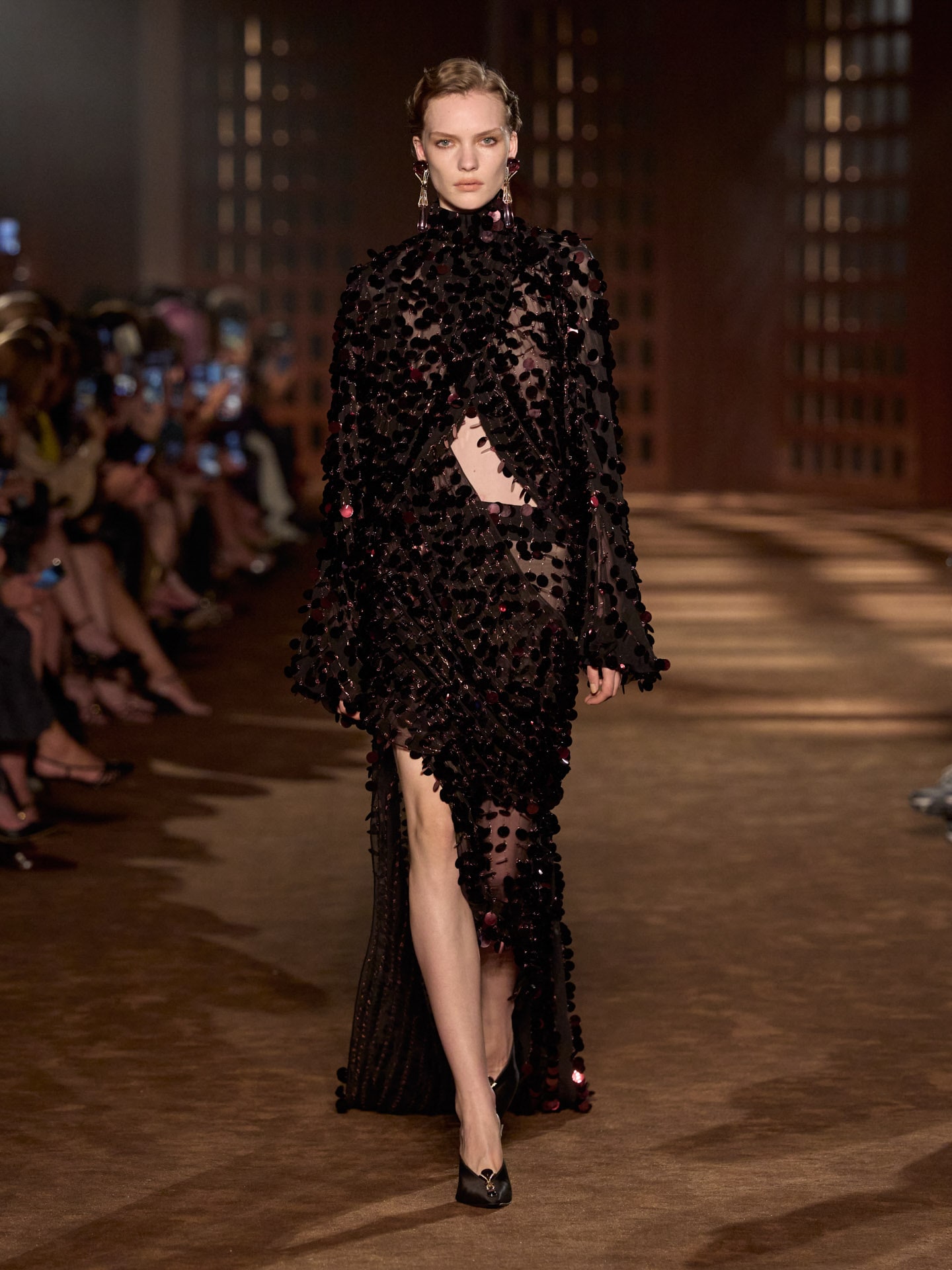
Look 60
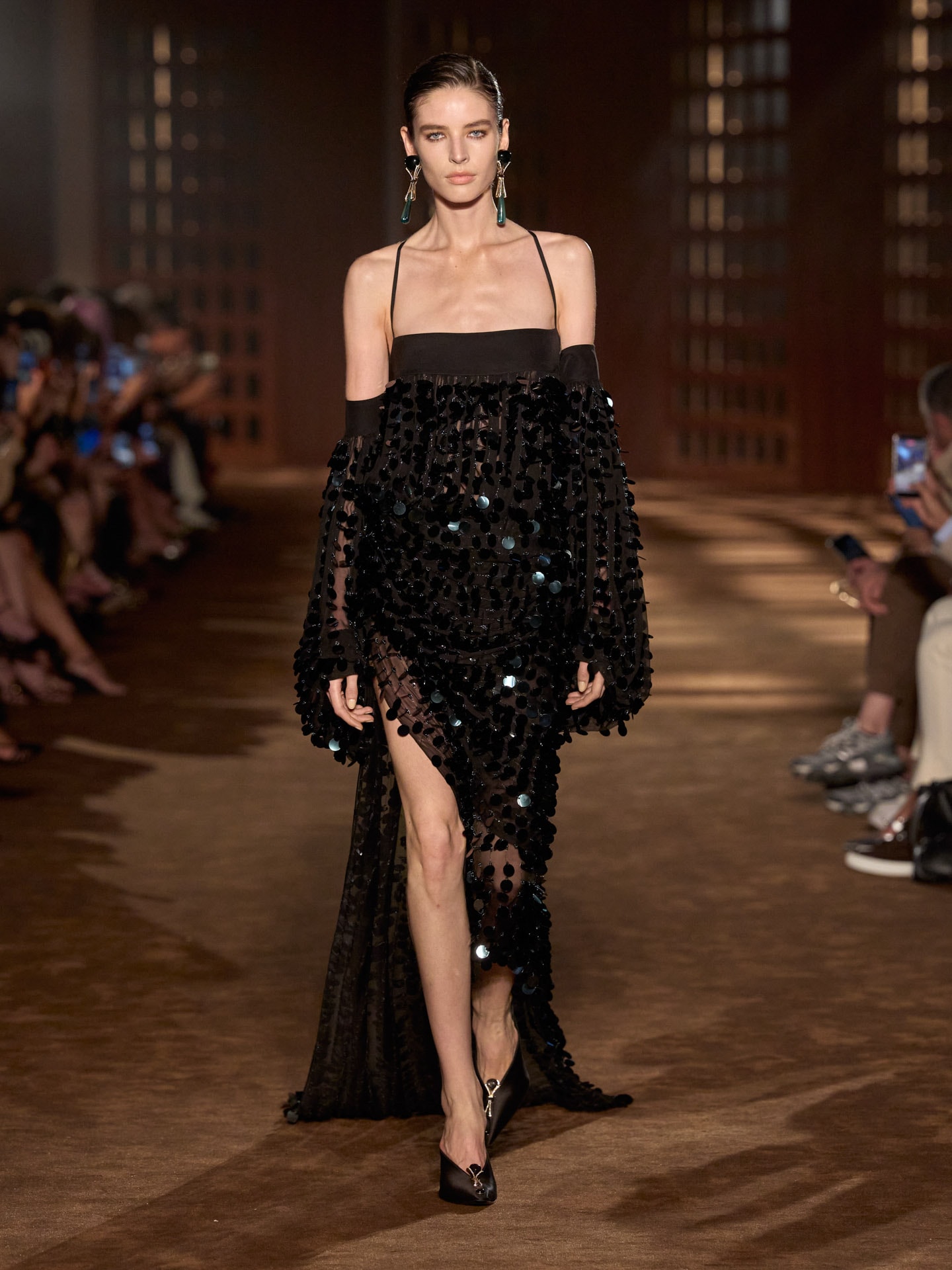
Look 61
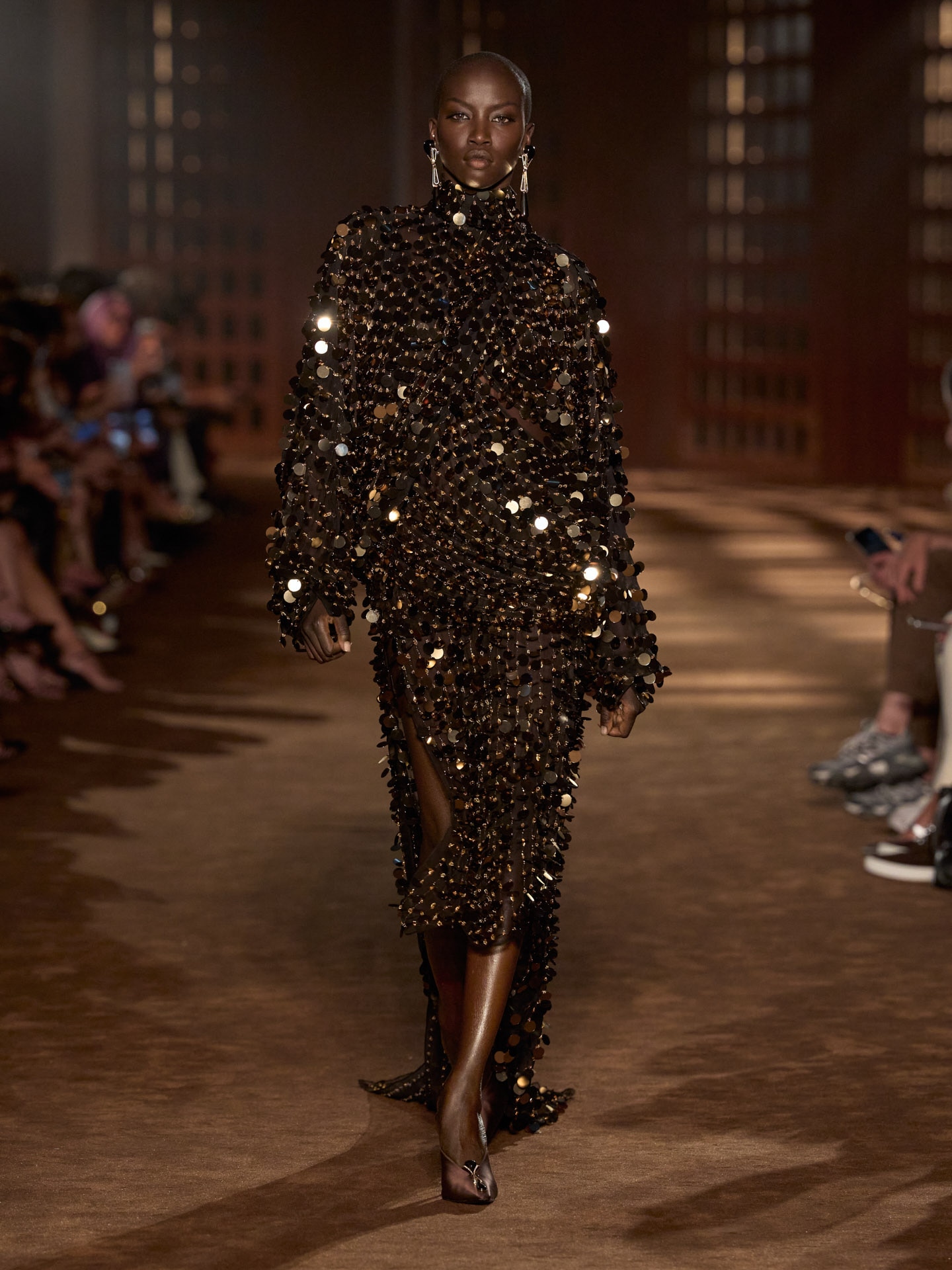
Look 62
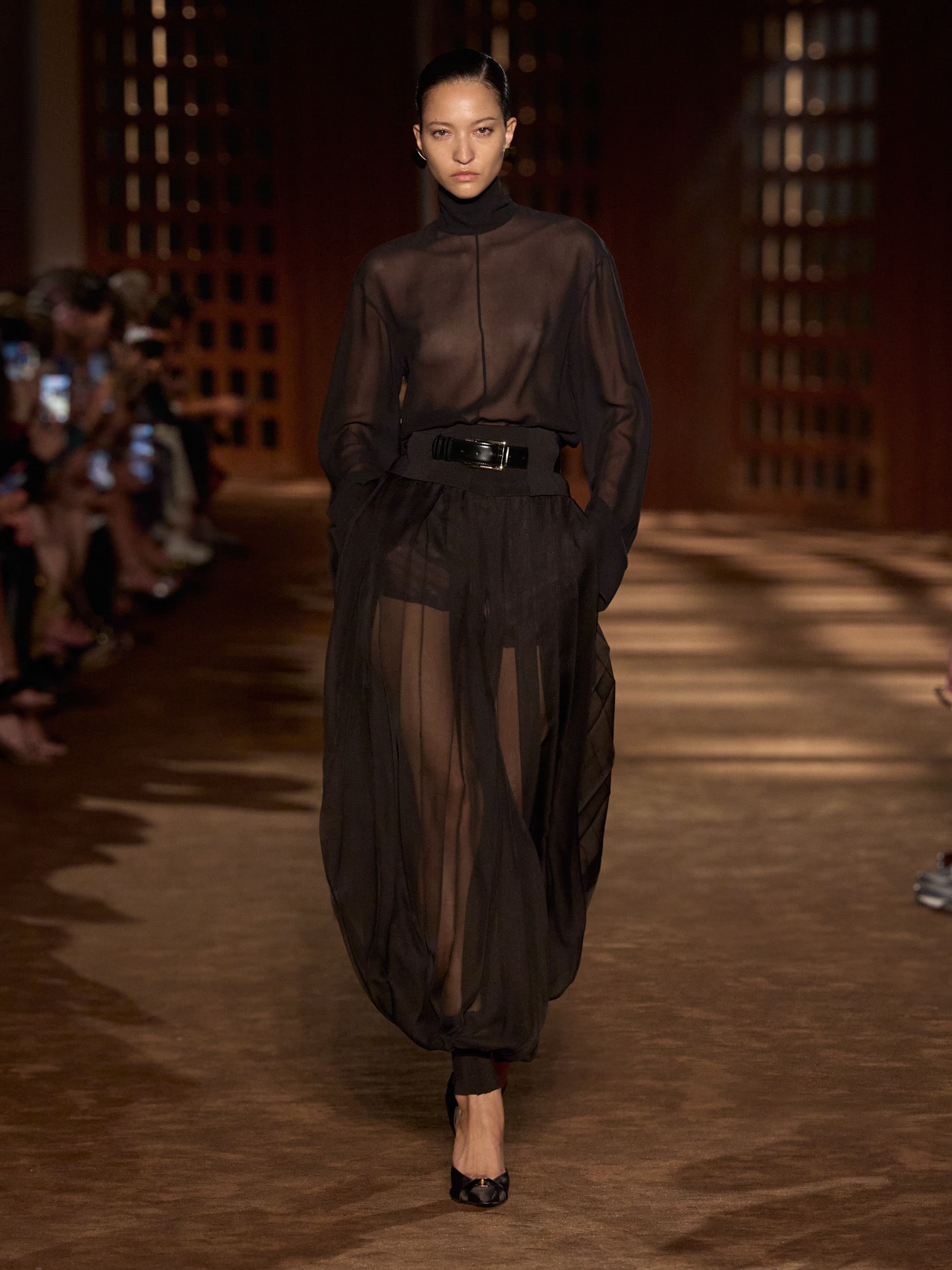
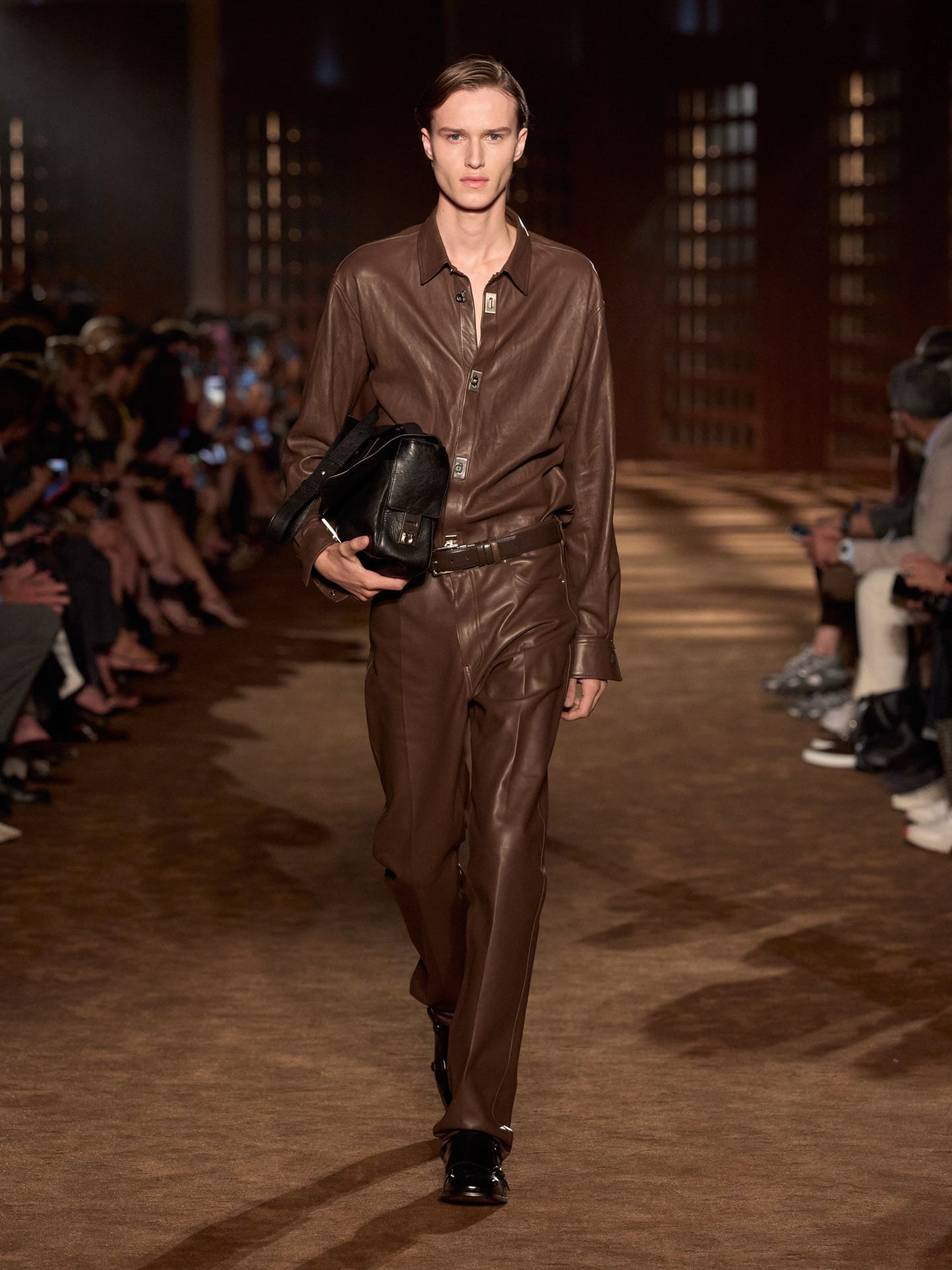
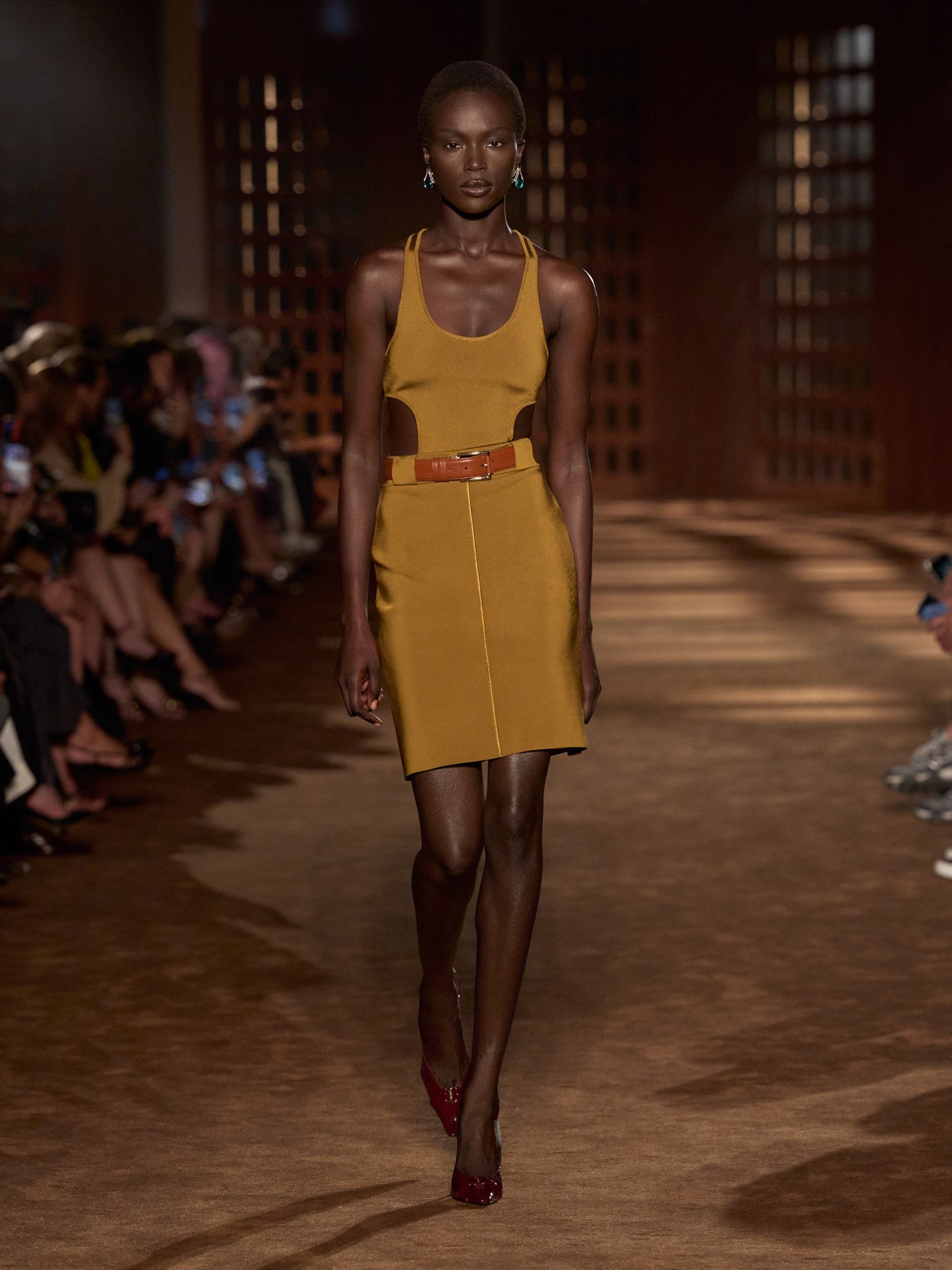
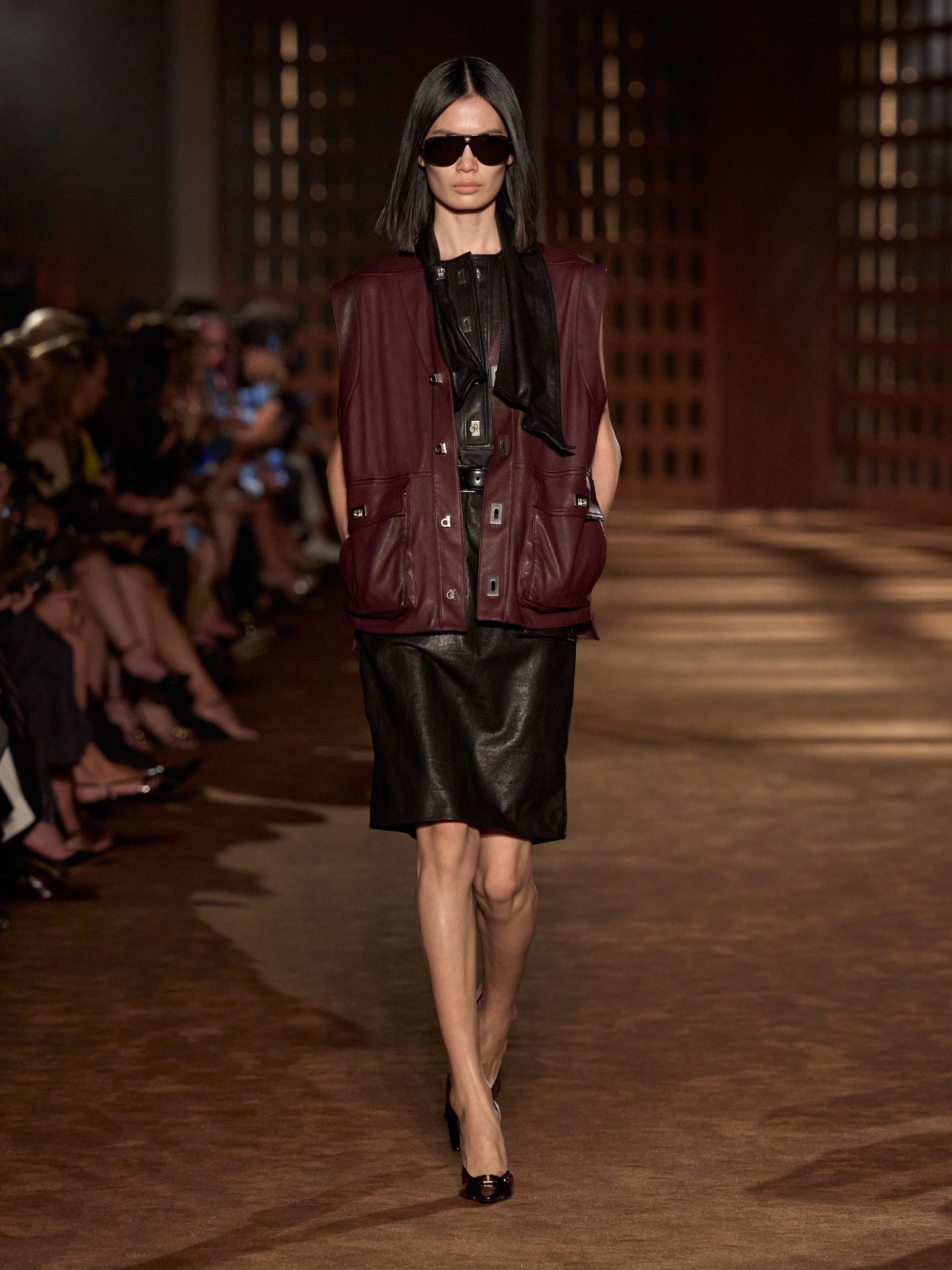
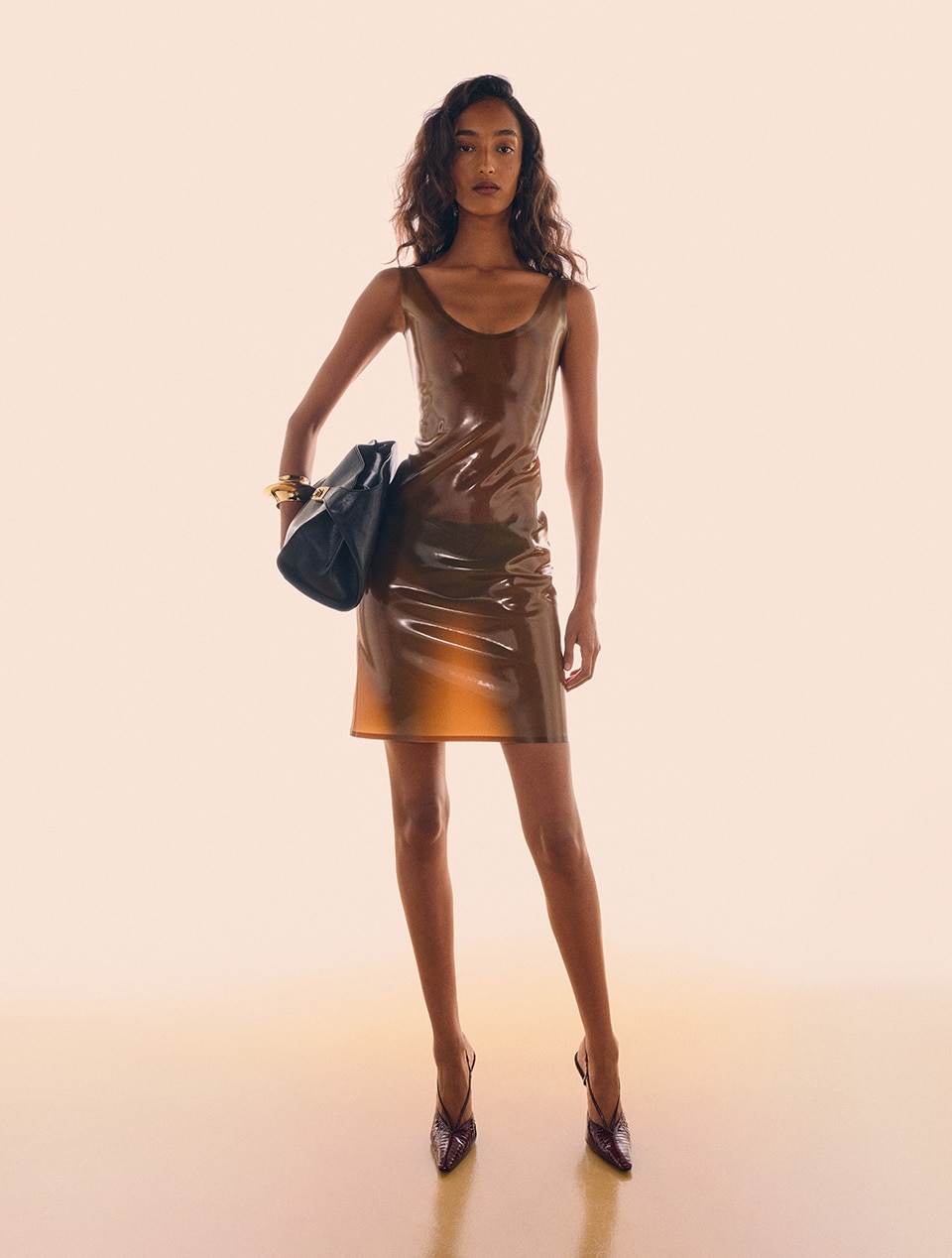
Through this new perspective, high-waisted tailoring, cut close to the body, appears assuredly cinched and double fastened with statement belts, while military pockets are affixed to pencil skirts and outerwear; utility vests tucked beneath suiting; the skirts of trench coats elegantly flared. Fabrications imbue the collection with flashes of fetishism through clinical shades of translucent rubber, leather shirting, or ties rendered in glossy python. Elsewhere, the drapery that has defined Davis’ approach to scarf dressing presents a fluid counterpoint to the defined rigour of the forties silhouette, expressed through ethereal looped silks, leather trains and draped, sequinned gowns.
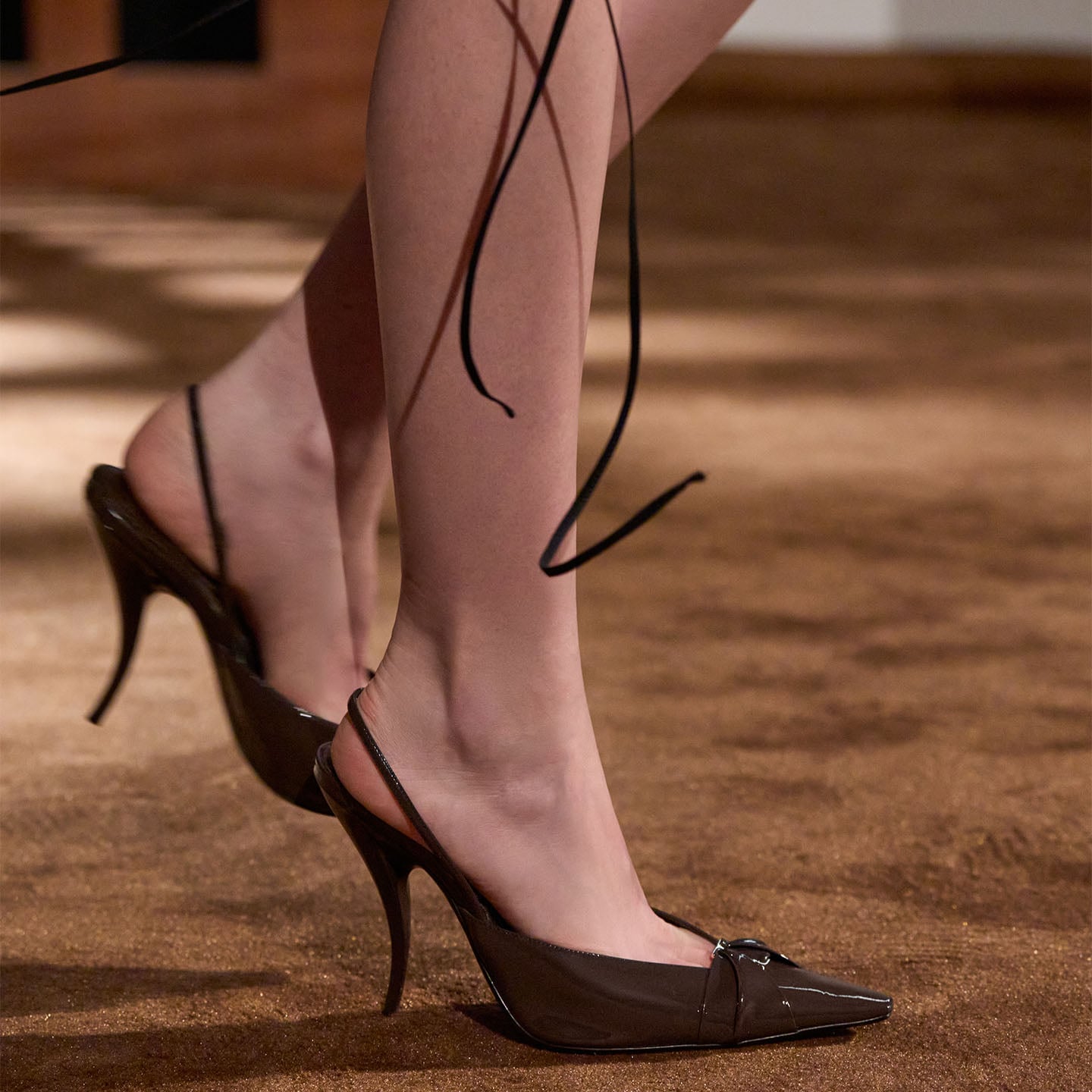
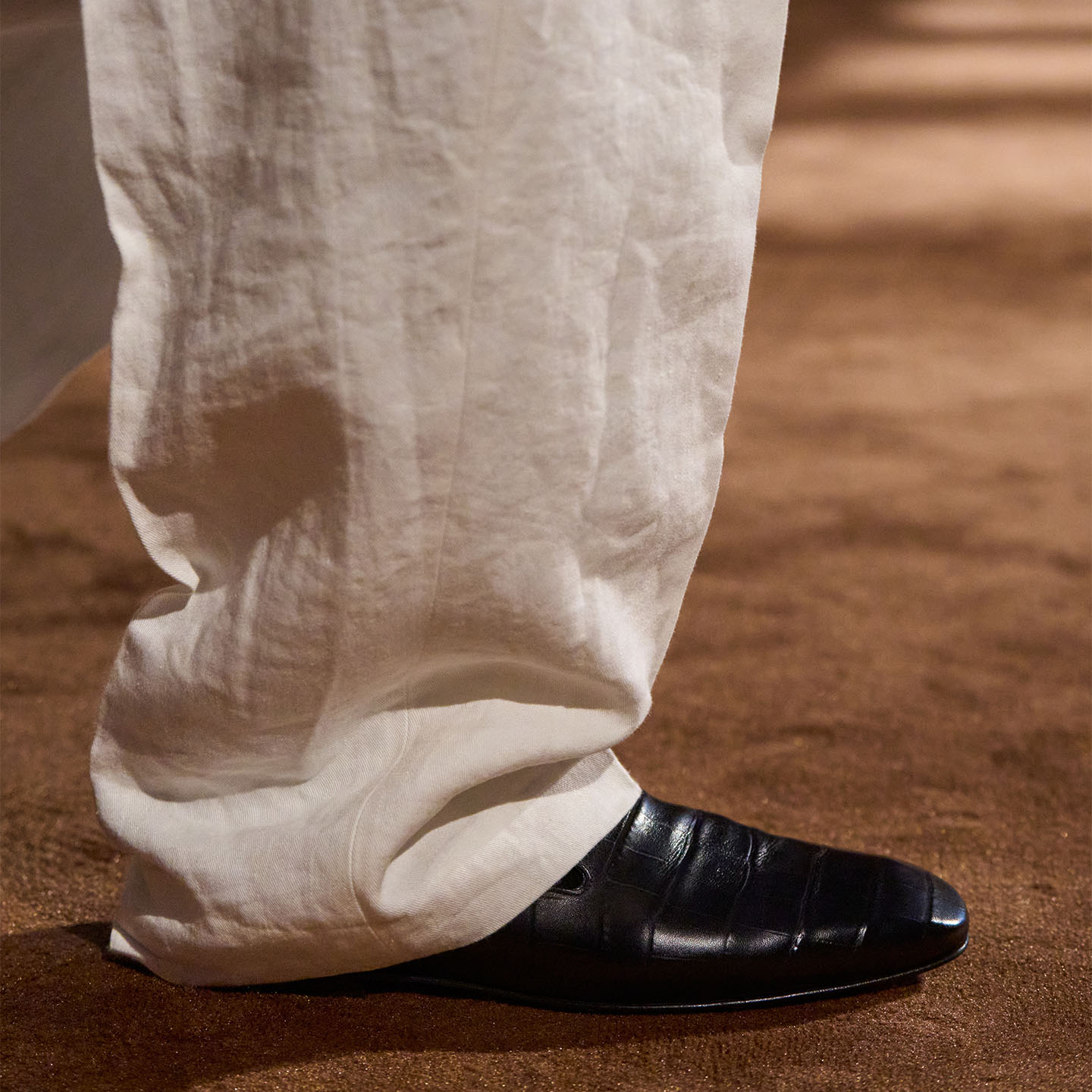
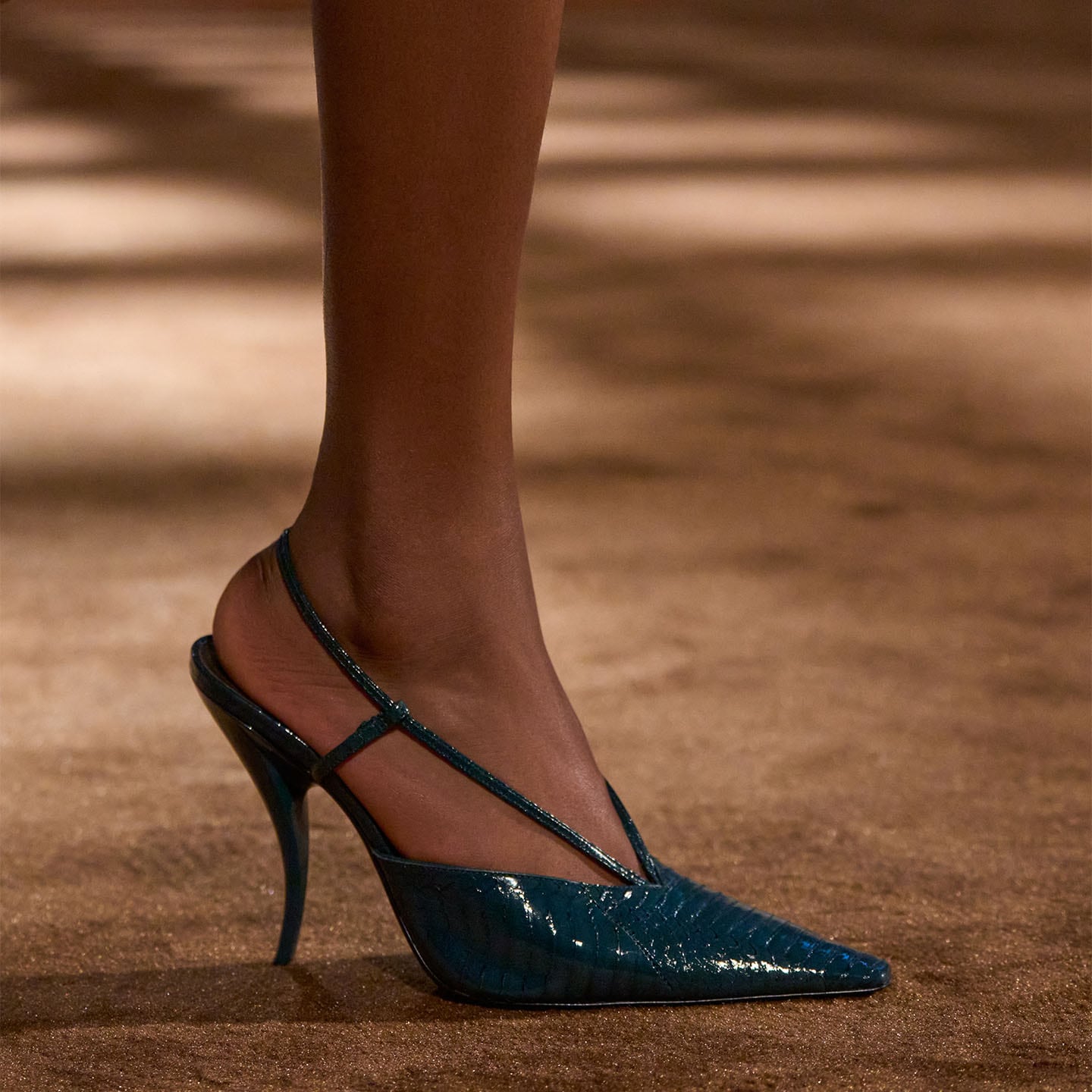
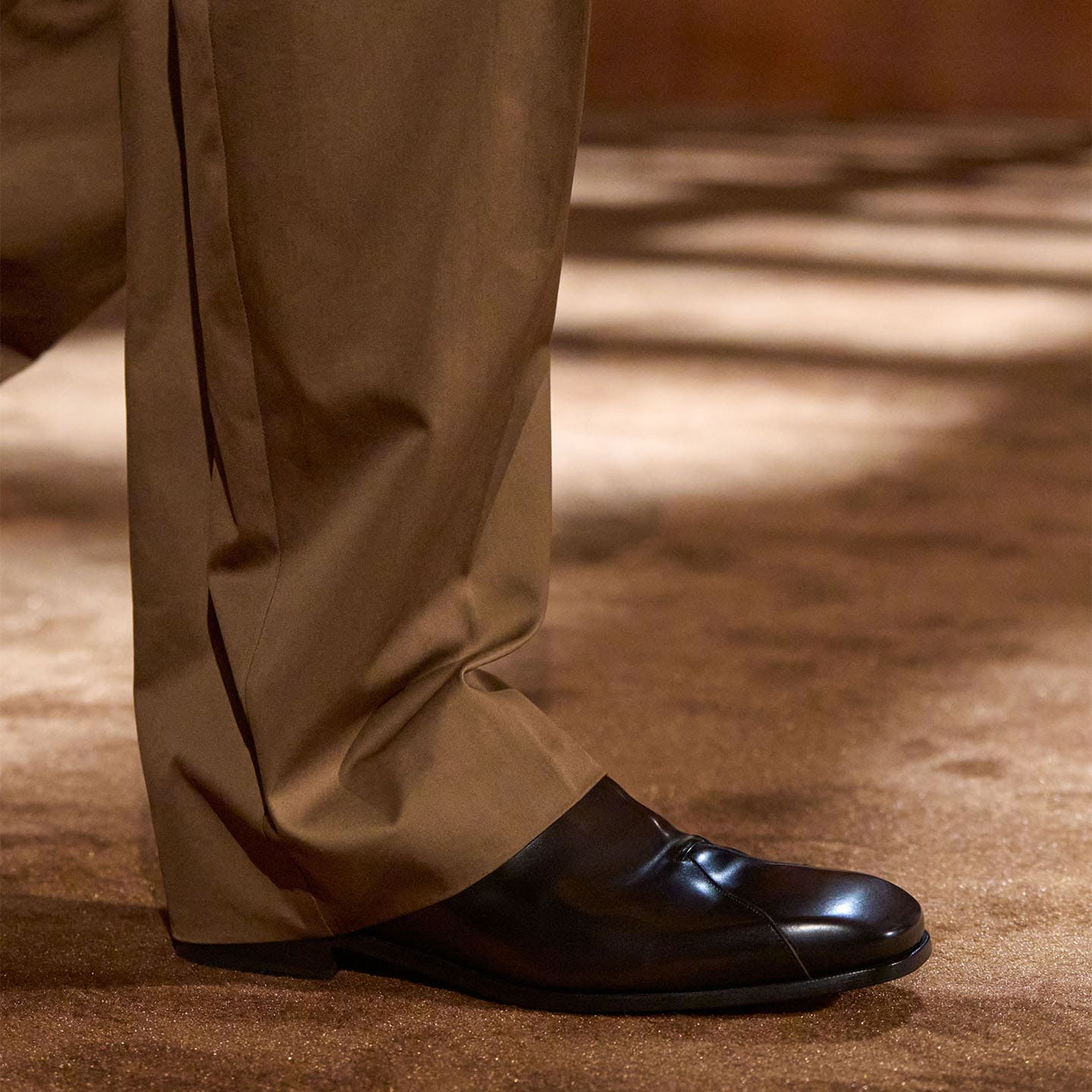
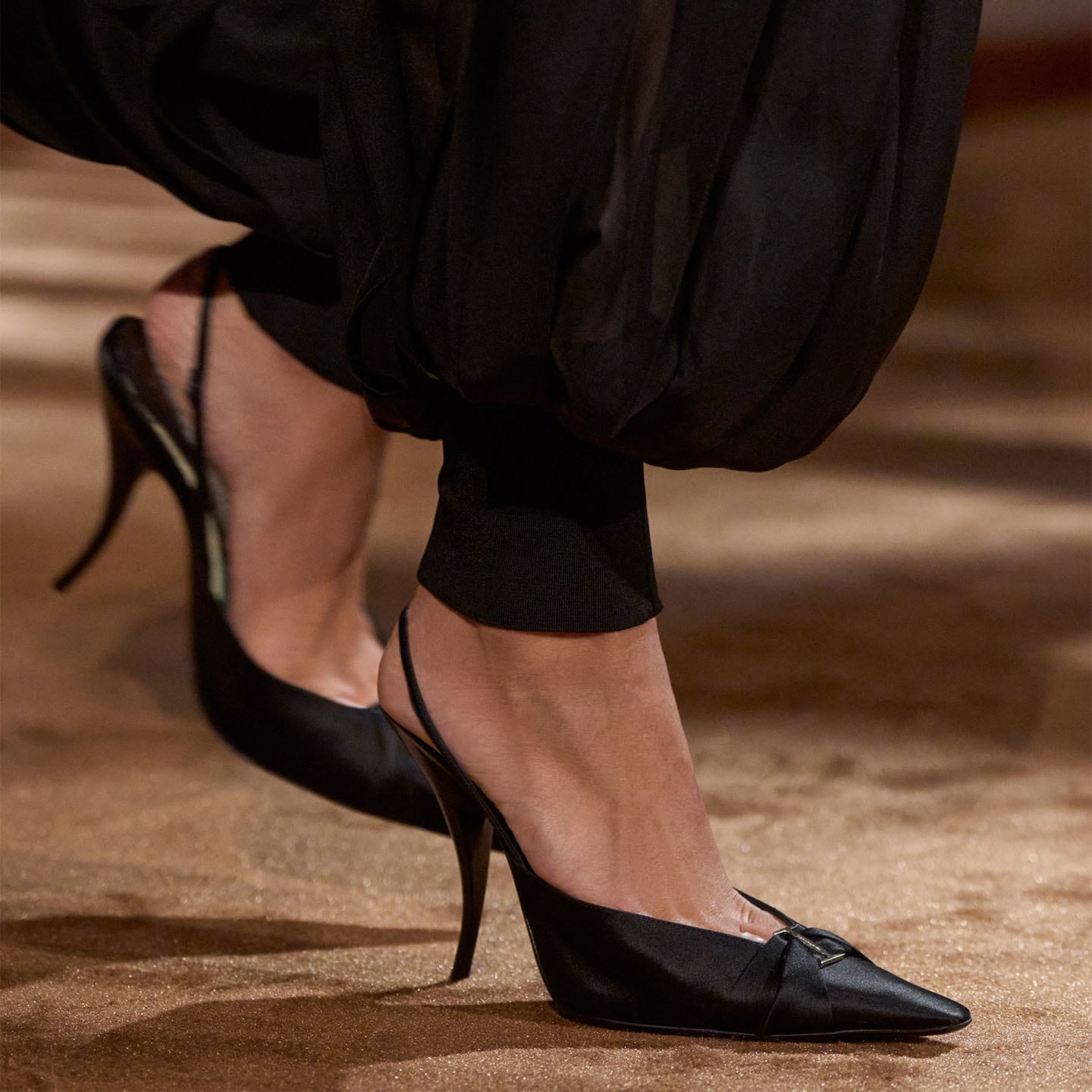
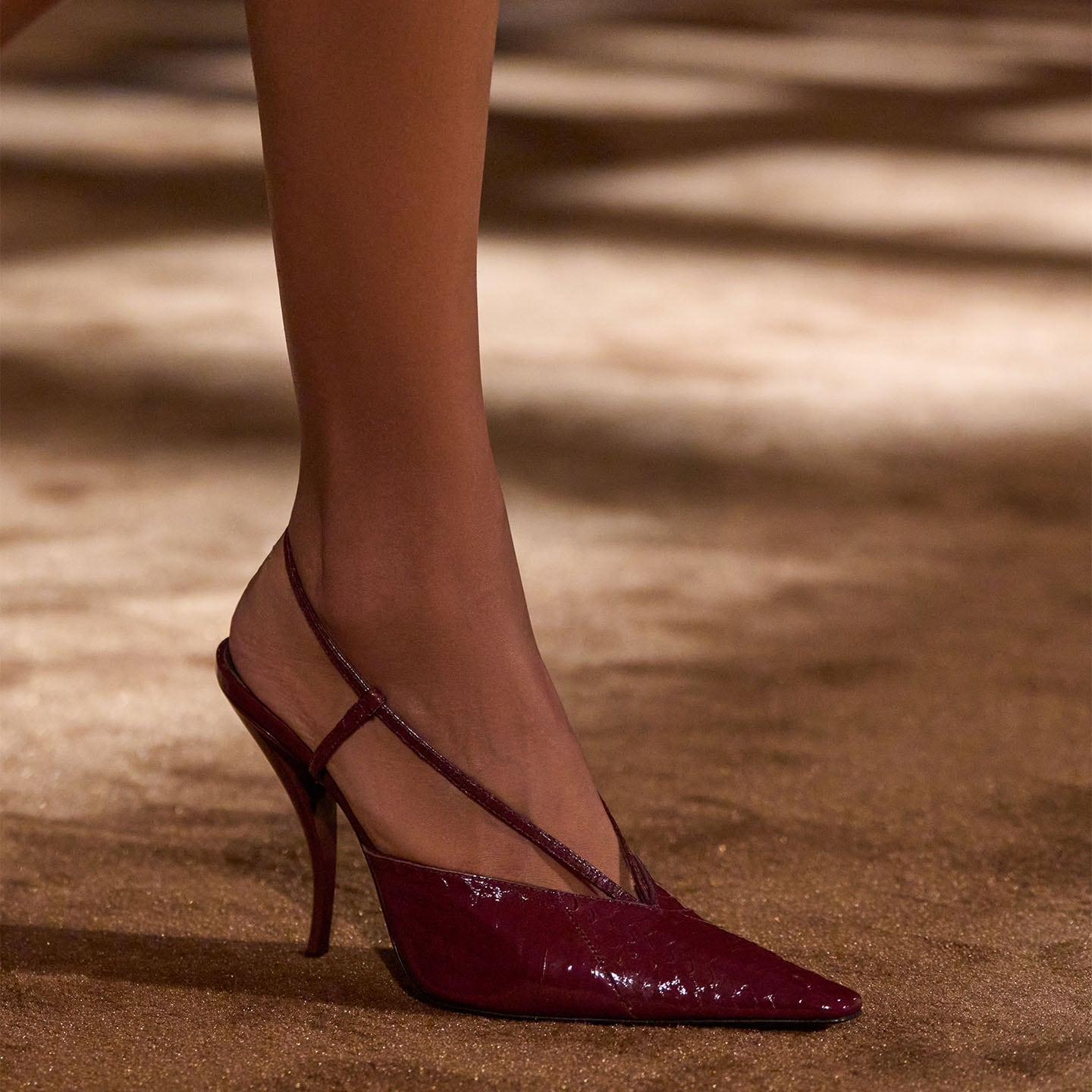
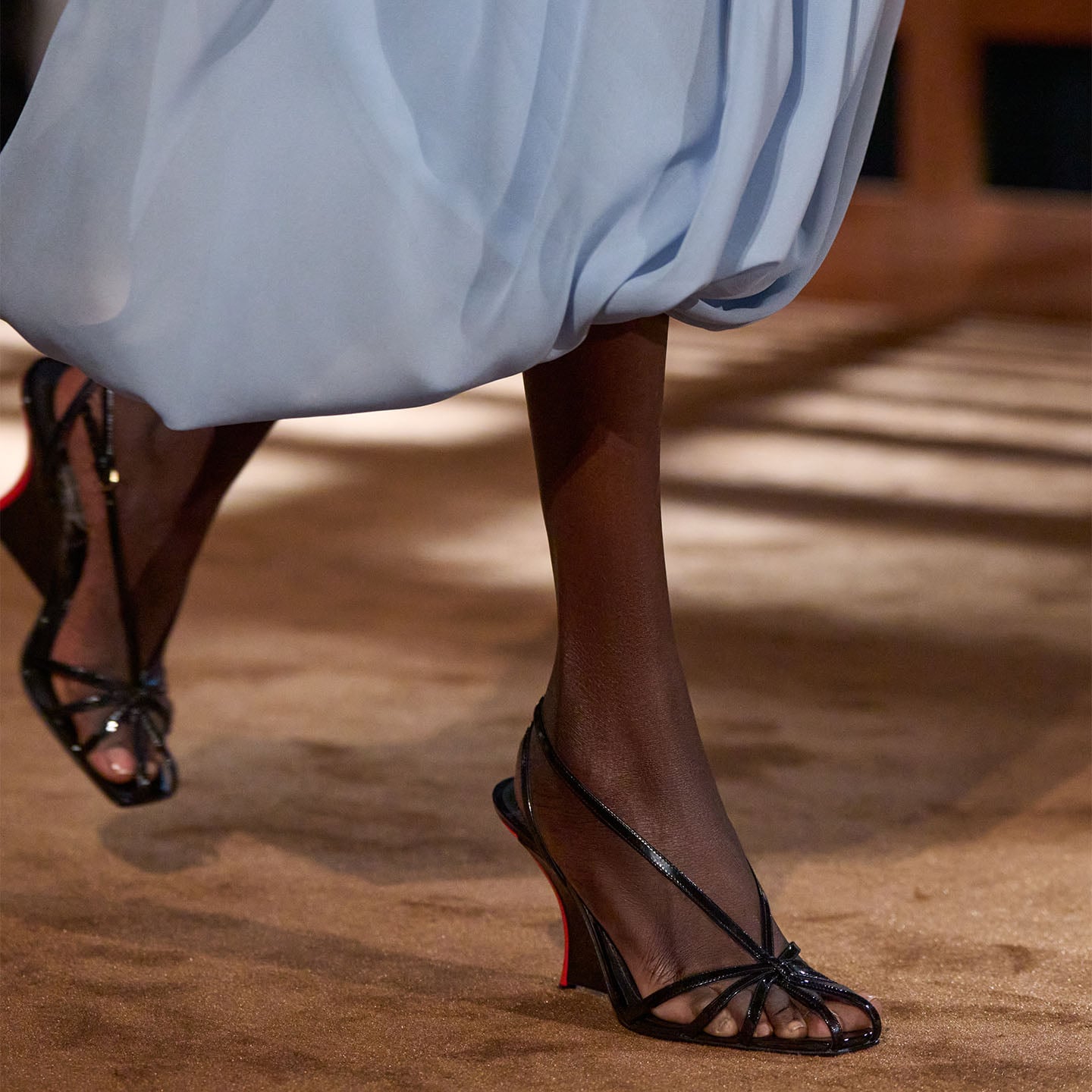
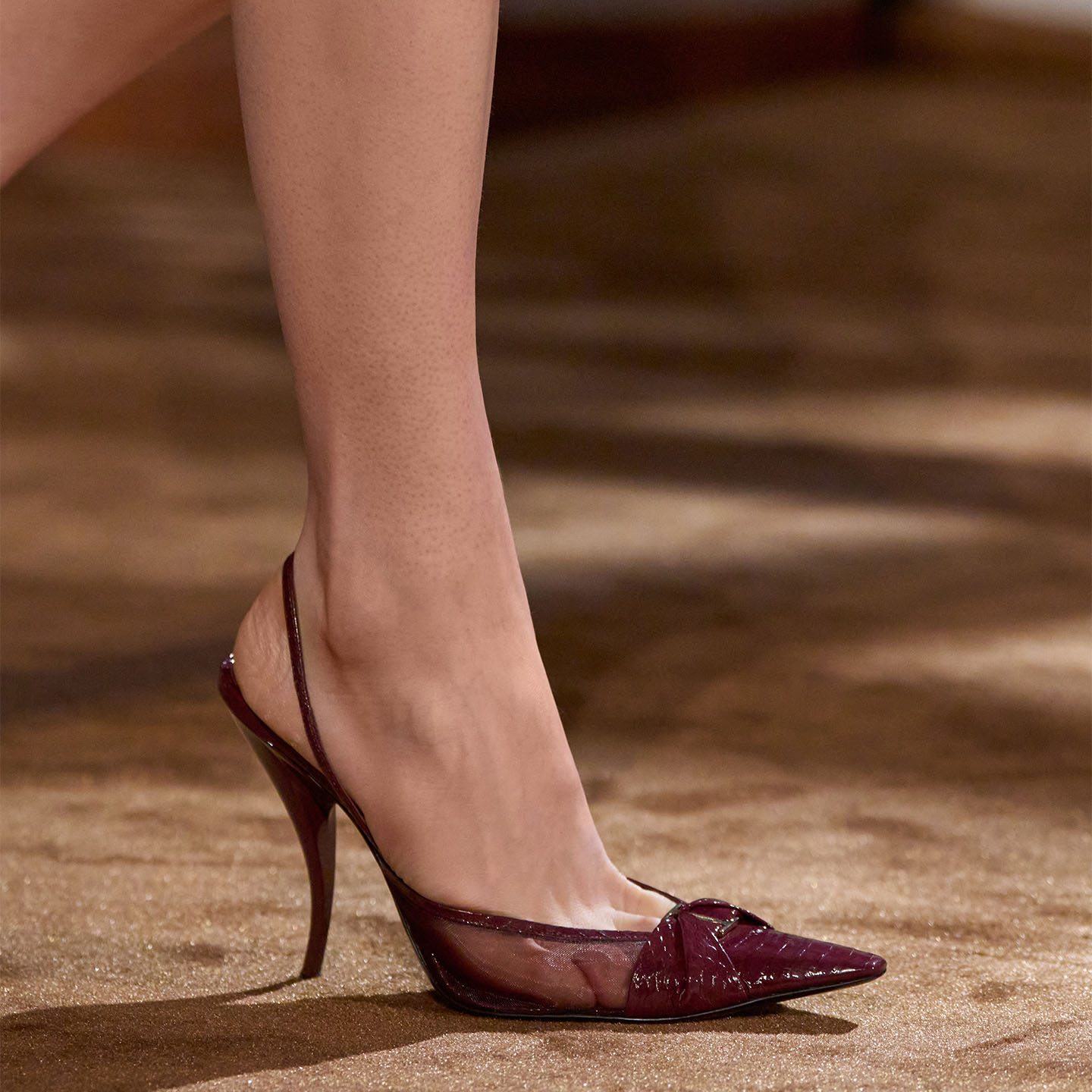
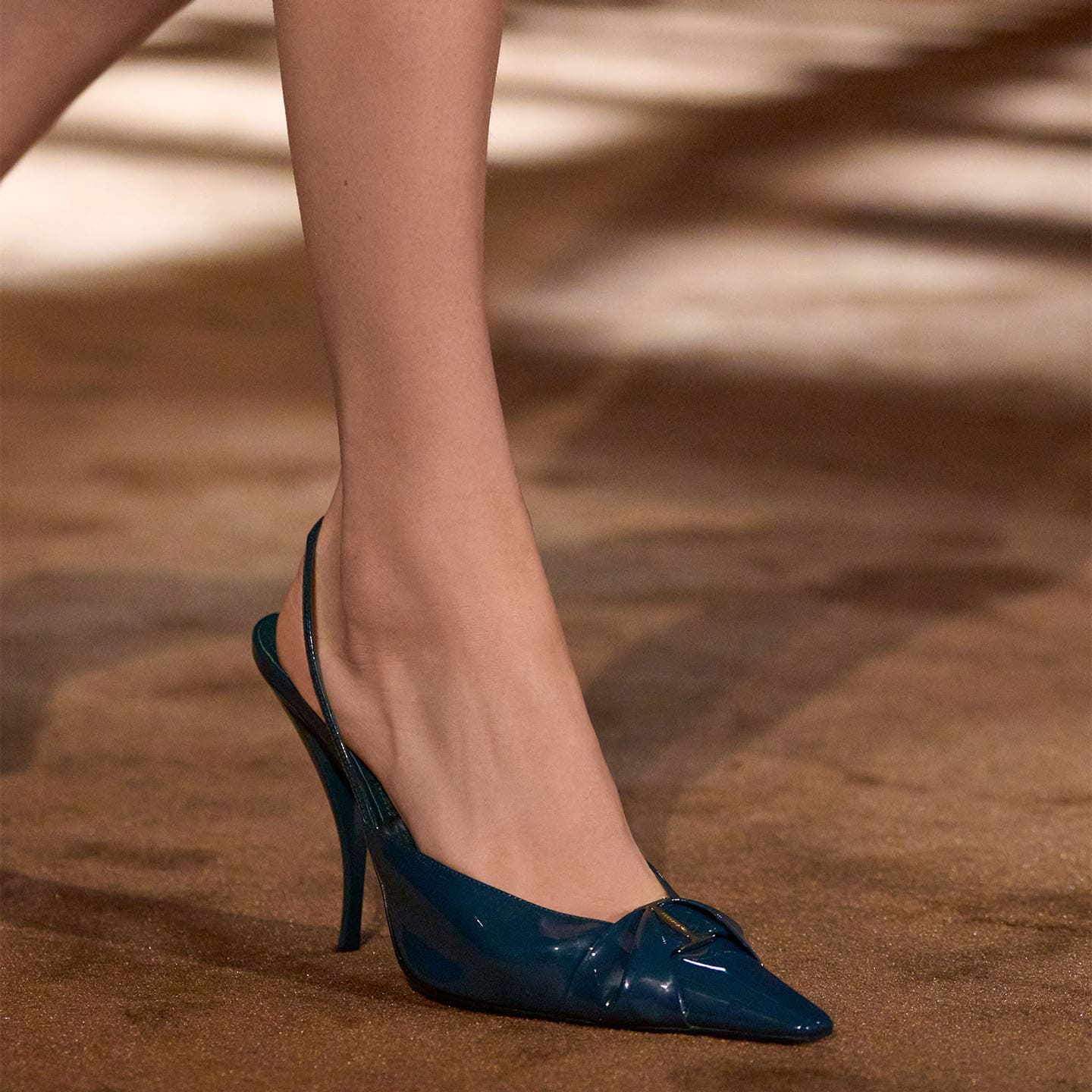
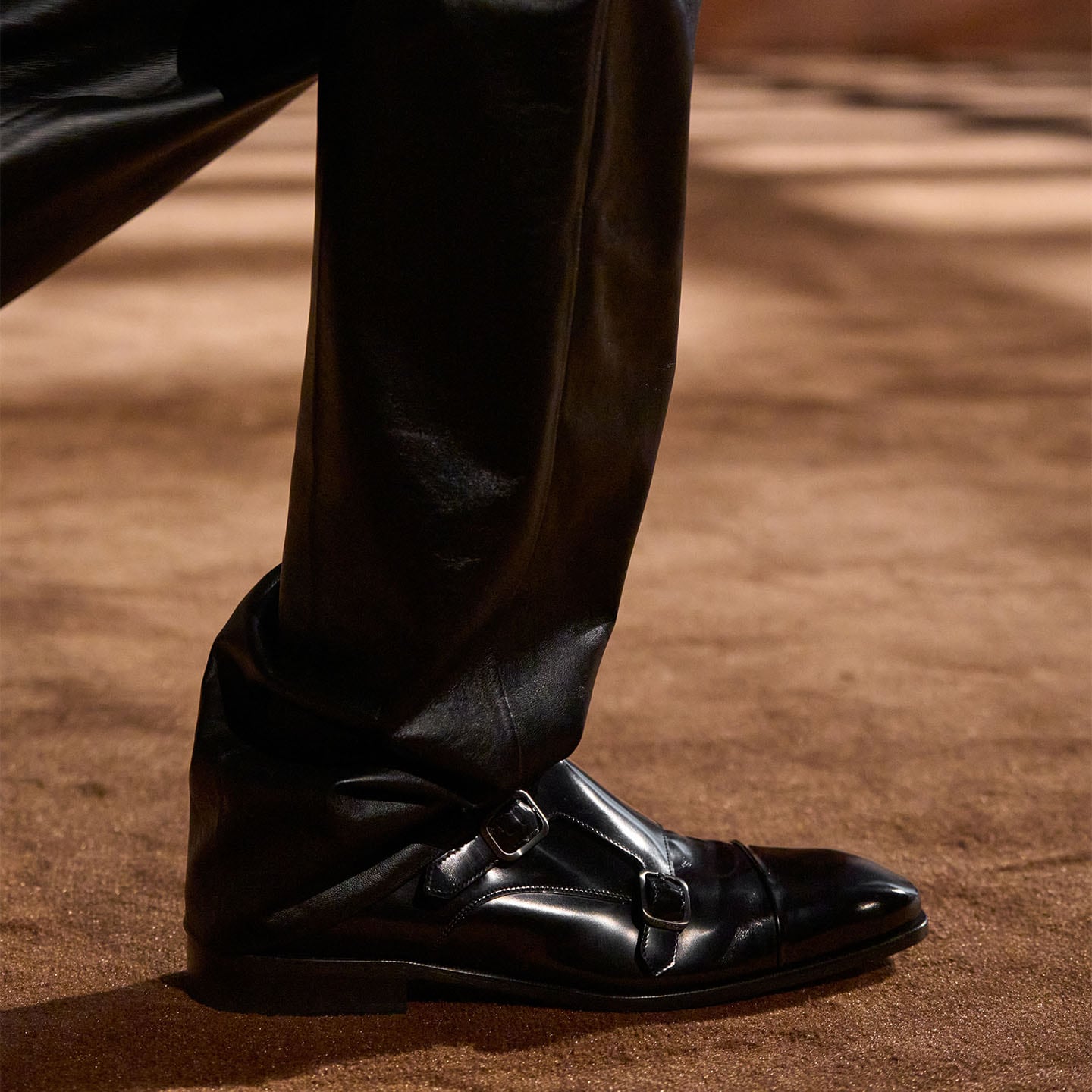
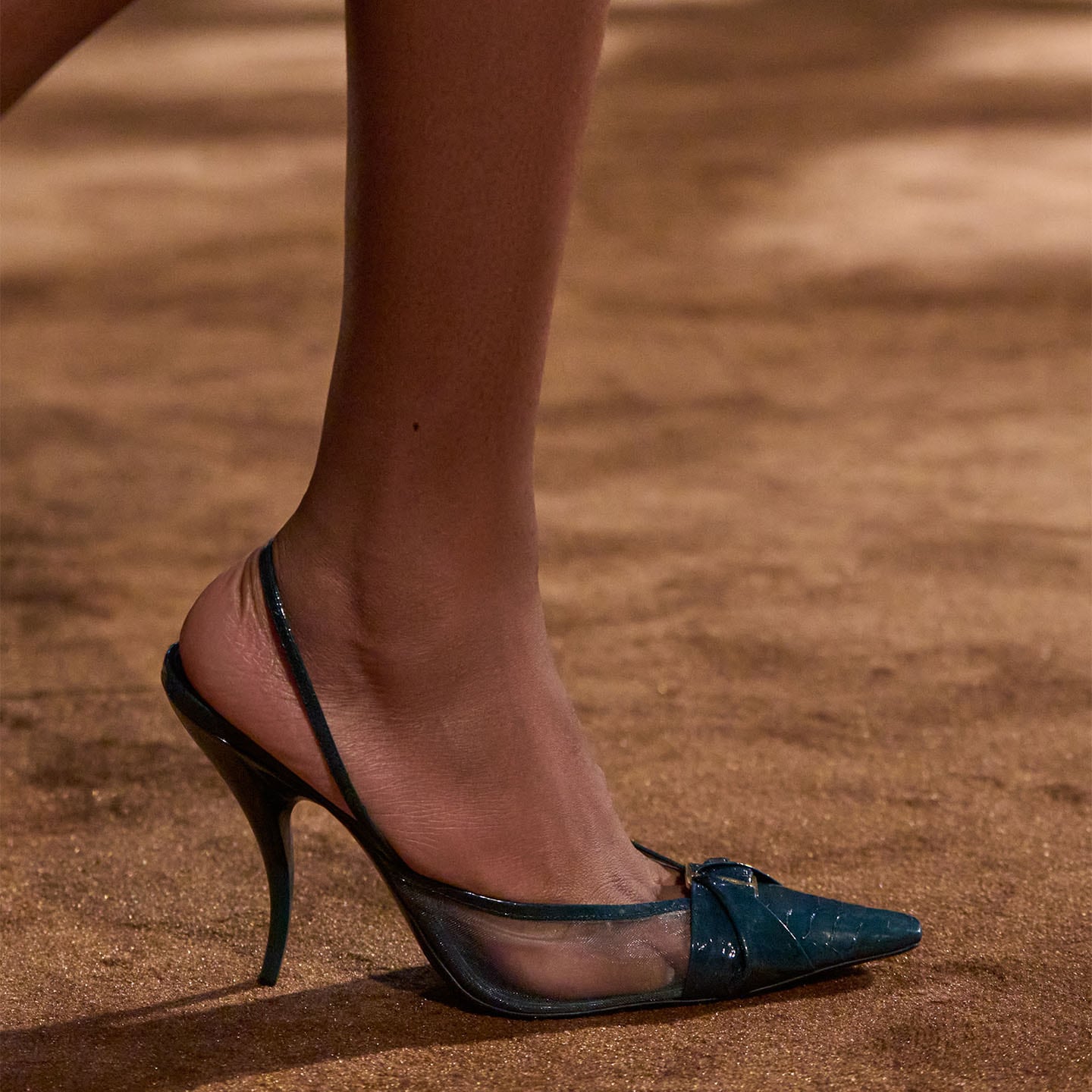
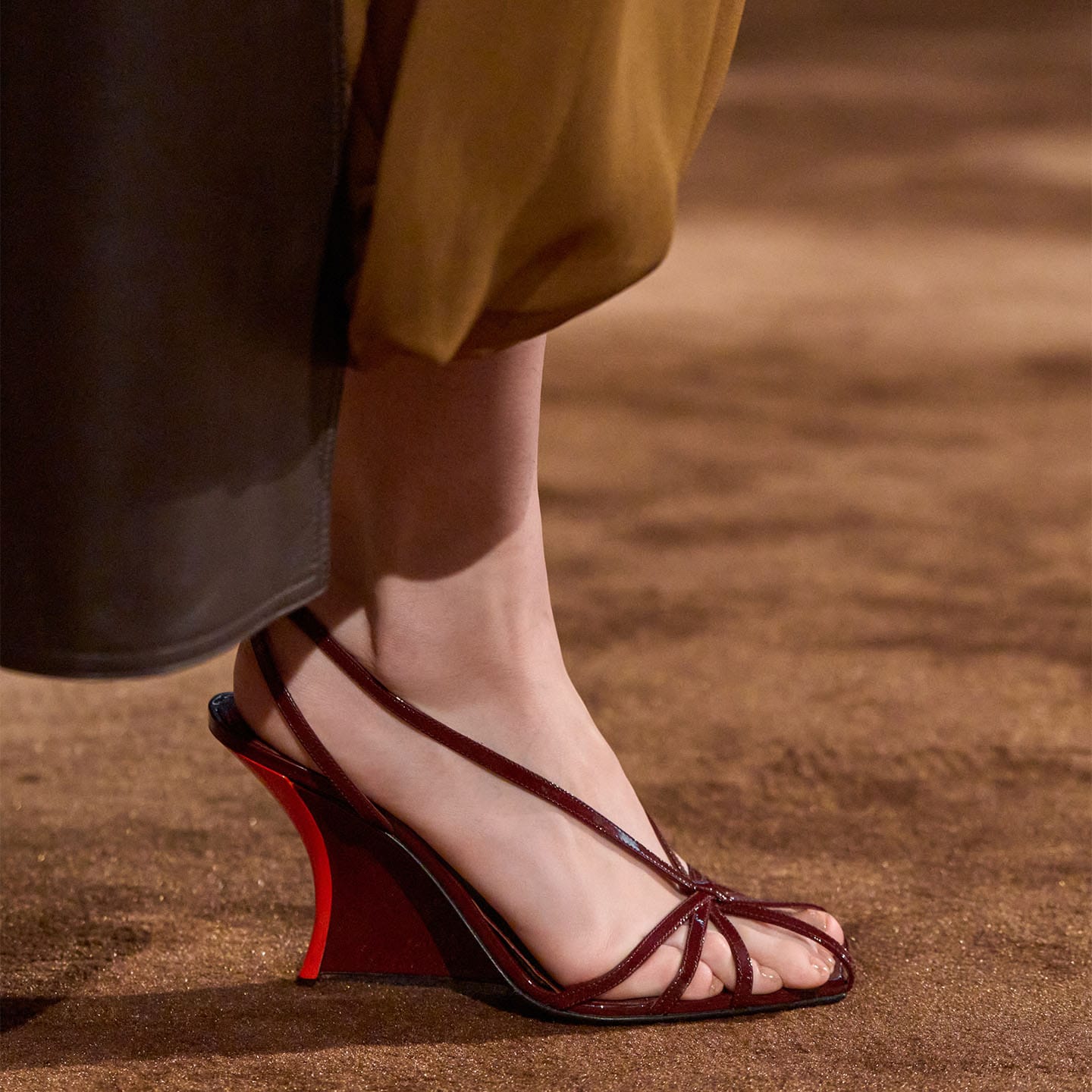
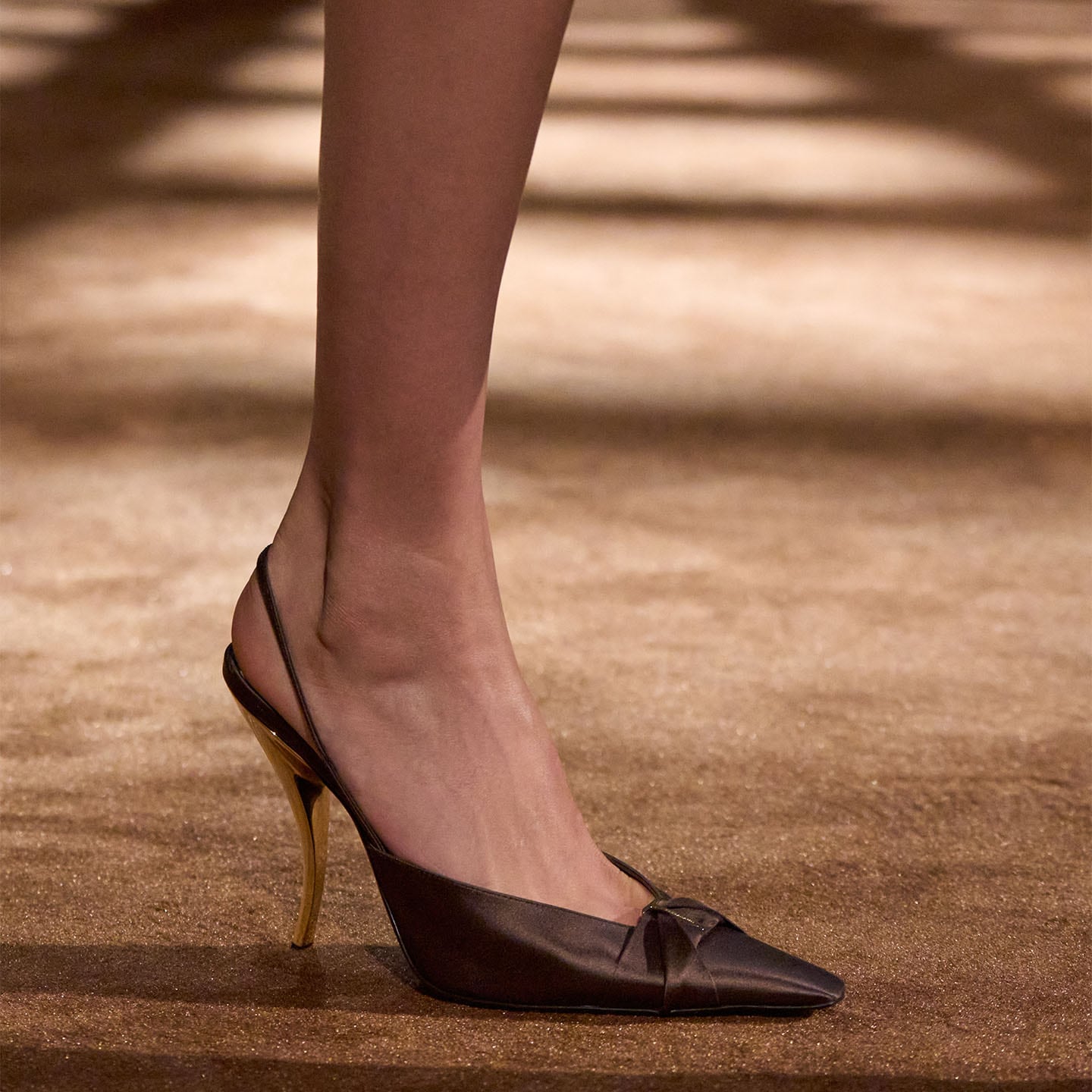
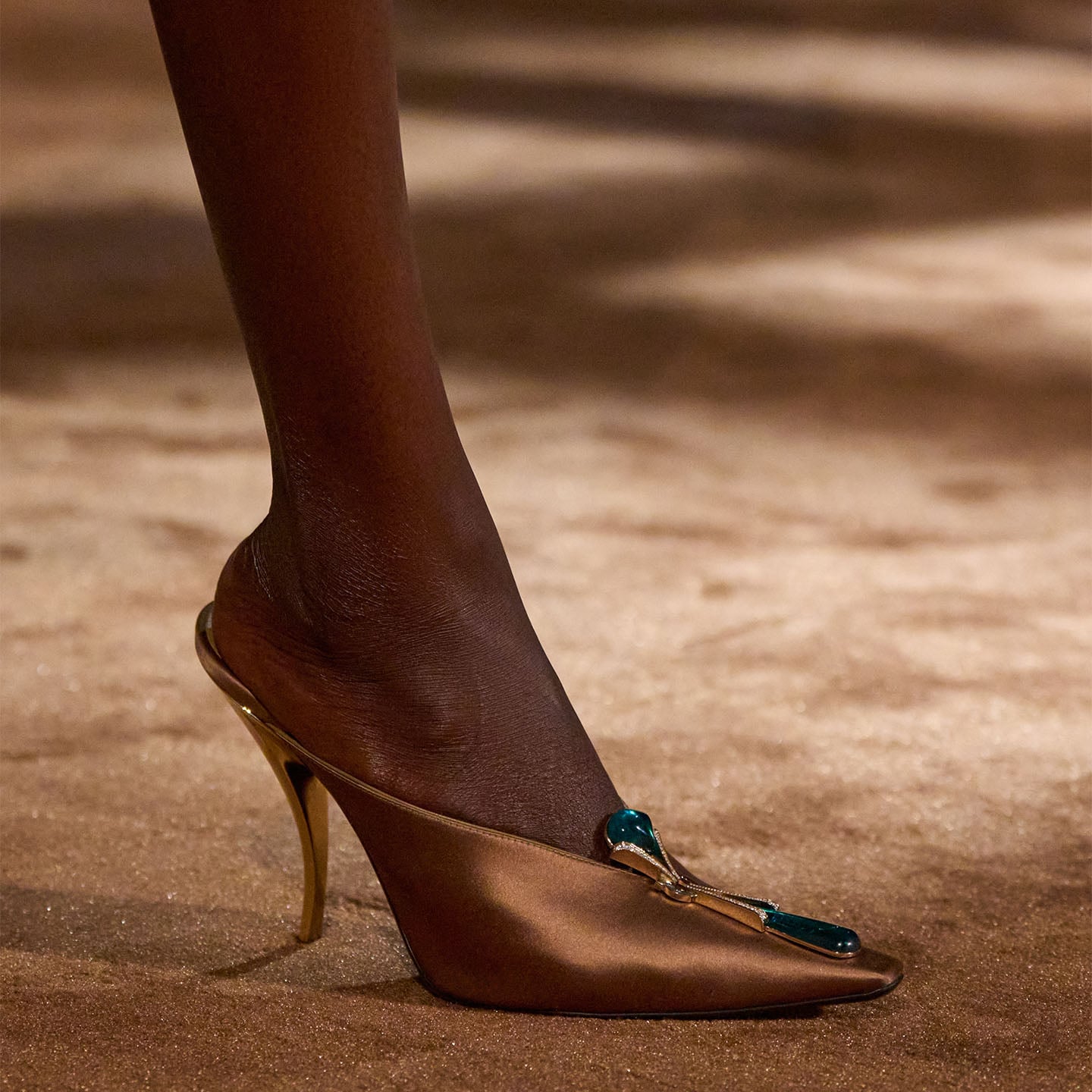
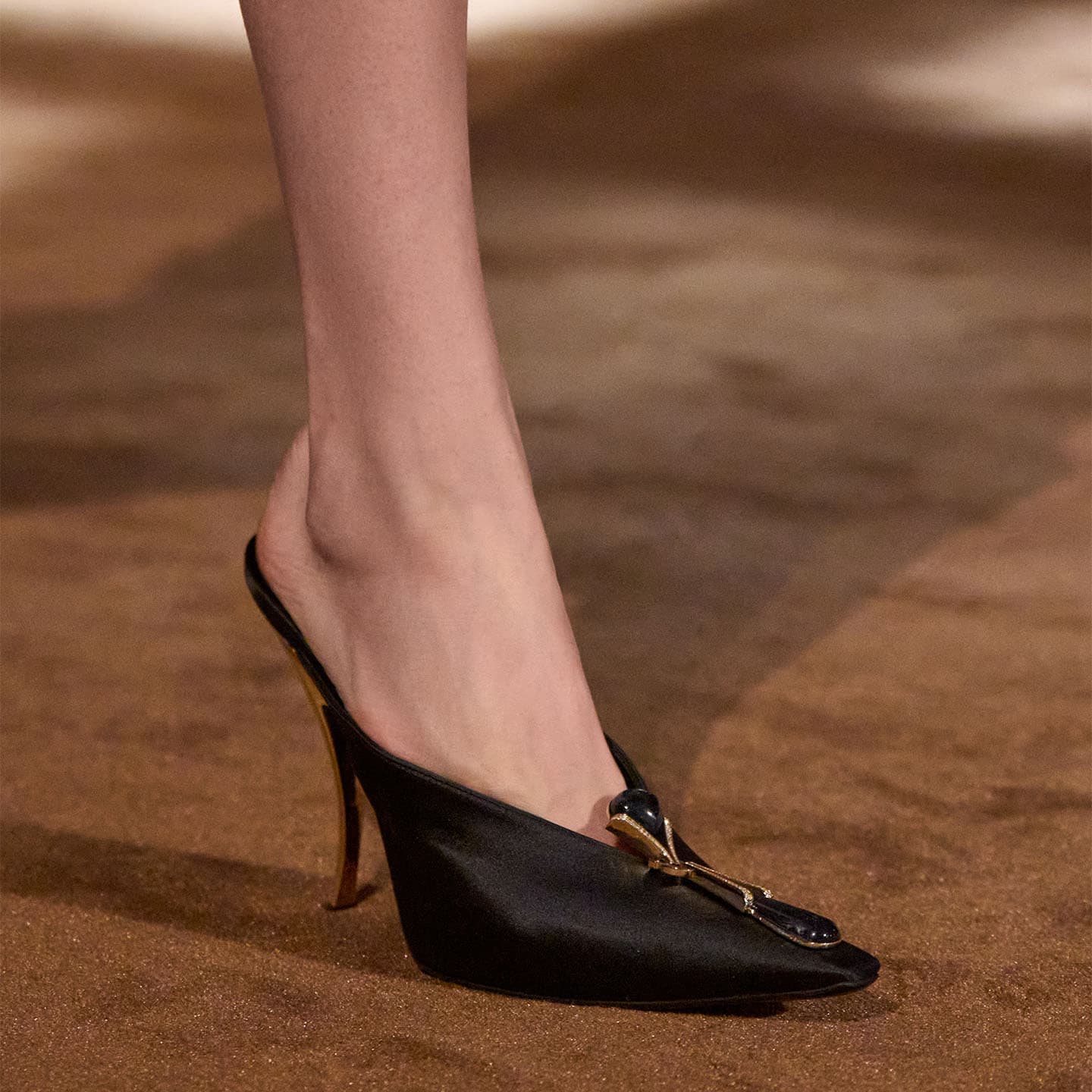
In footwear, the sculptural silhouette of the F wedge, first pioneered by Salvatore Ferragamo in 1947, inspires the curved heel of stilettoes decorated with a new reinterpretation of the Vara bow, alongside a satin mule decorated with Art Deco-inflected jewellery. Another evolution of the F wedge, sometimes seen with a contrasting, illusory heel, also elevates sleek, linear sandals and slingbacks. In menswear, the clean elegance of a double monkstrap shoe is presented alongside a supple nappa leather slipper and a polished iteration decorated with an embroidered toe.
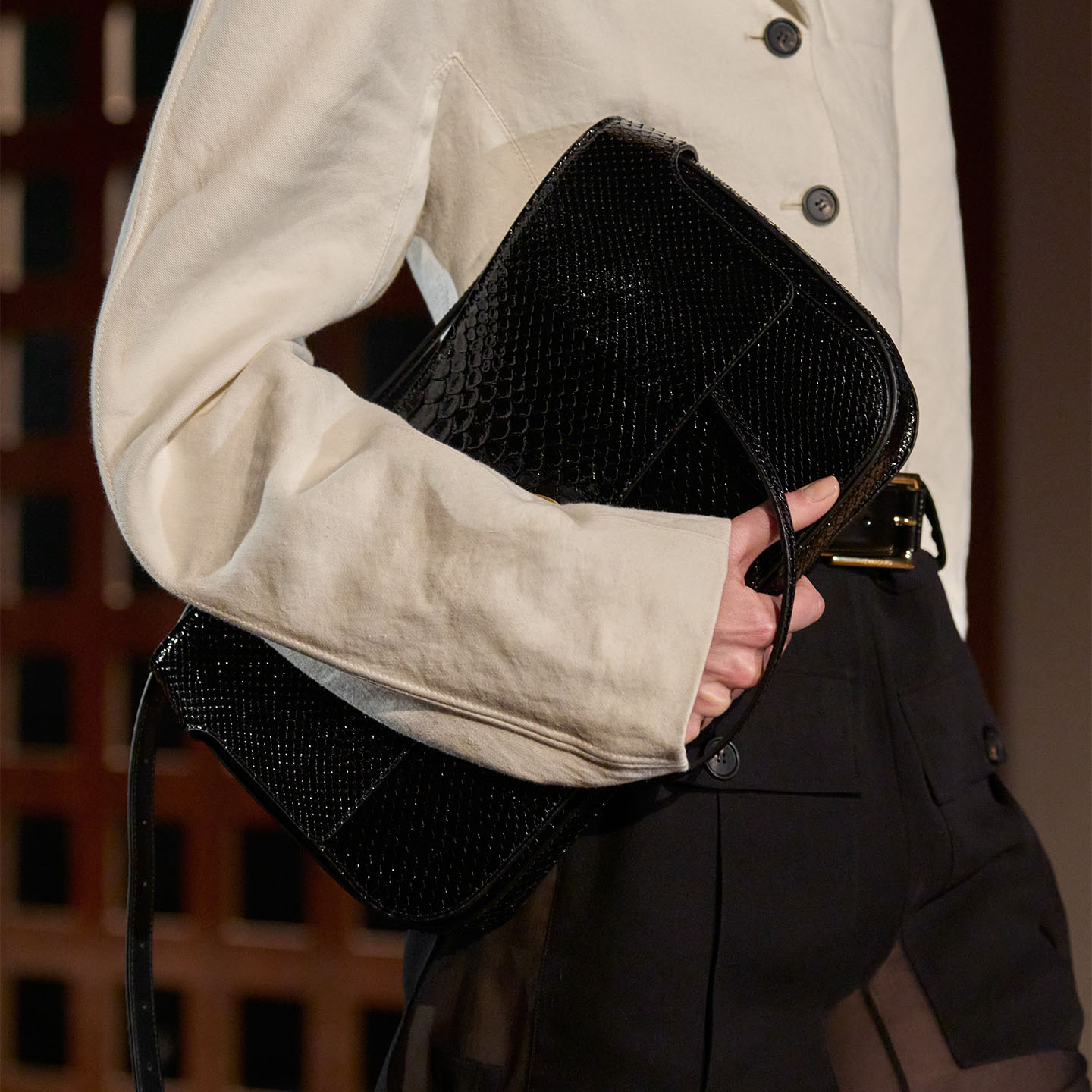
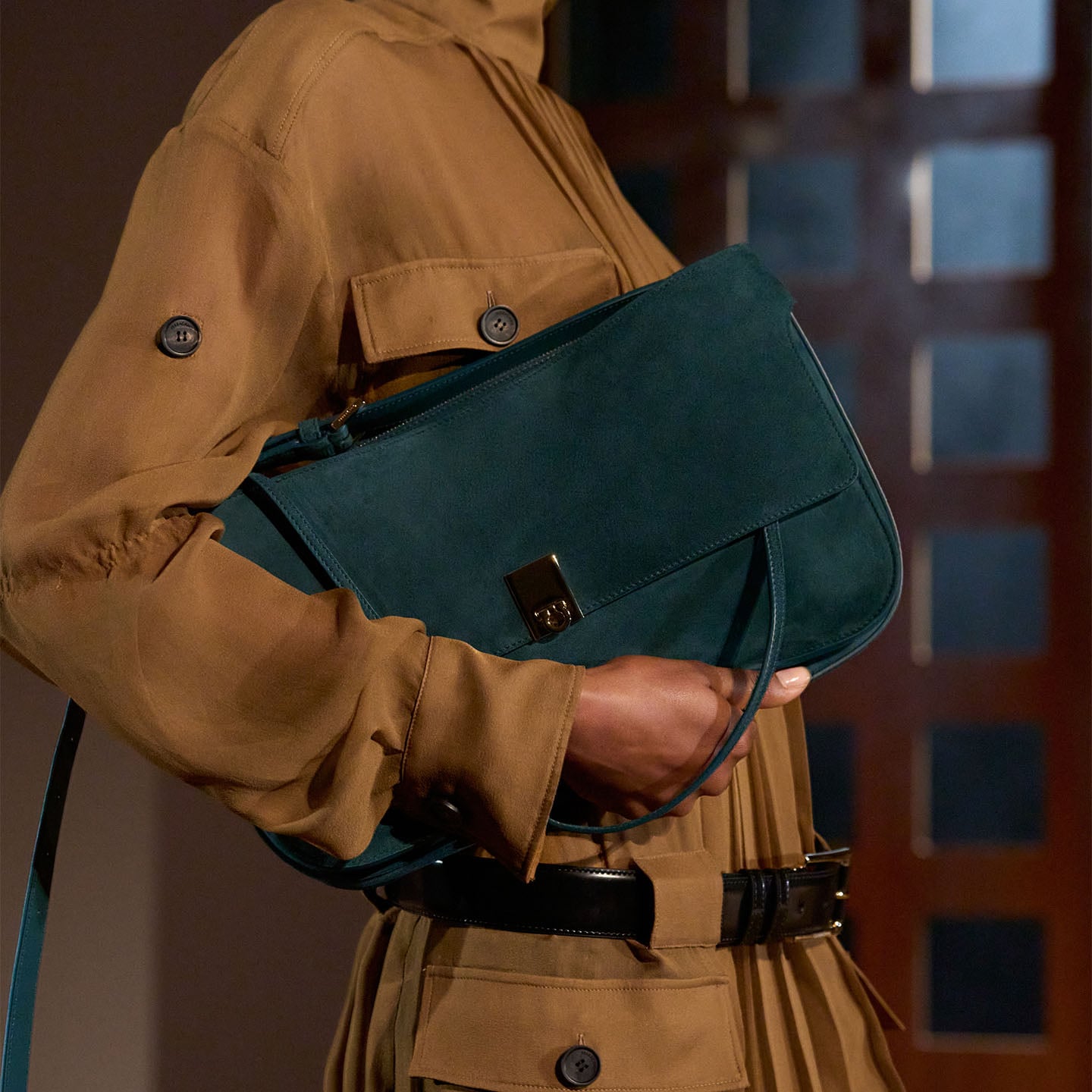
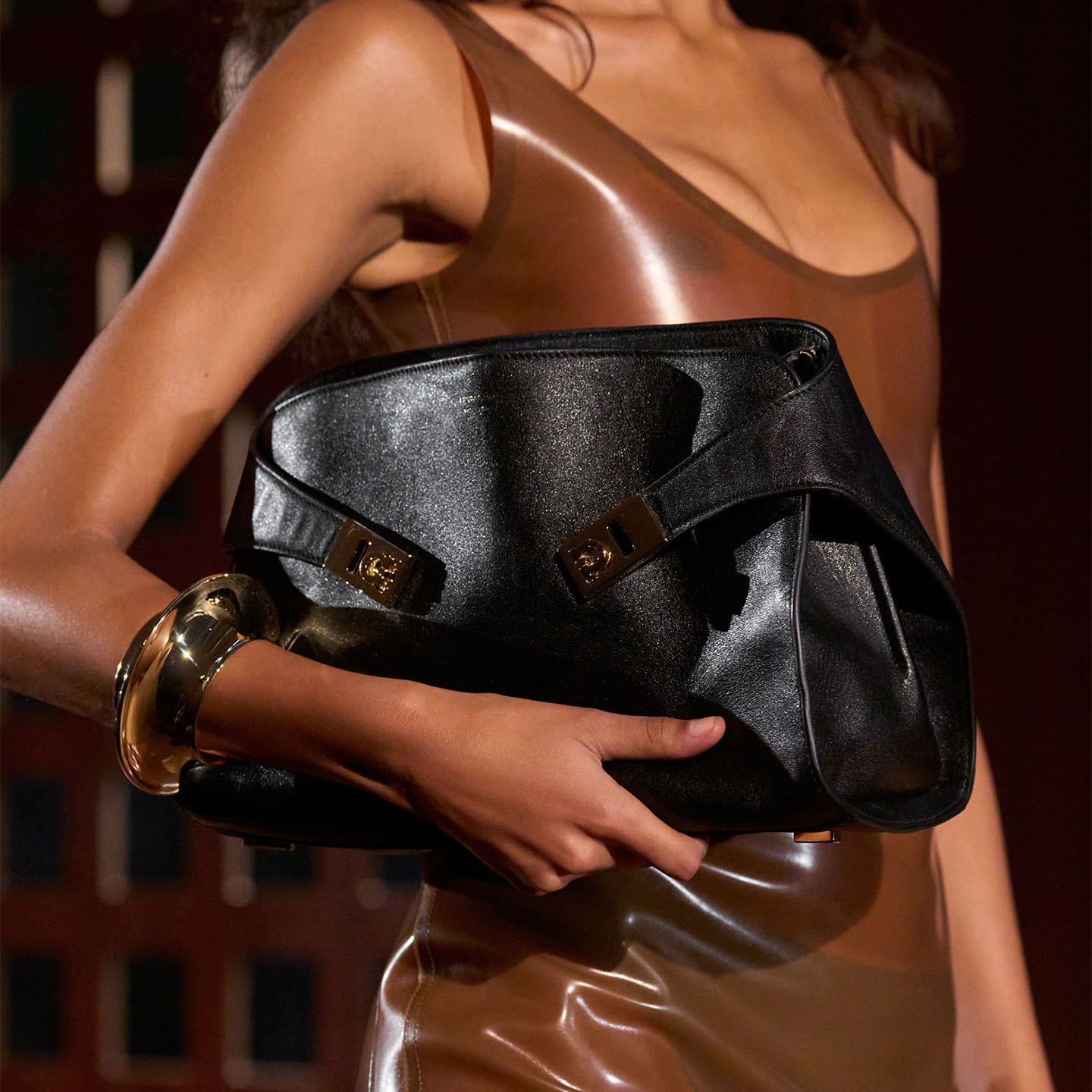
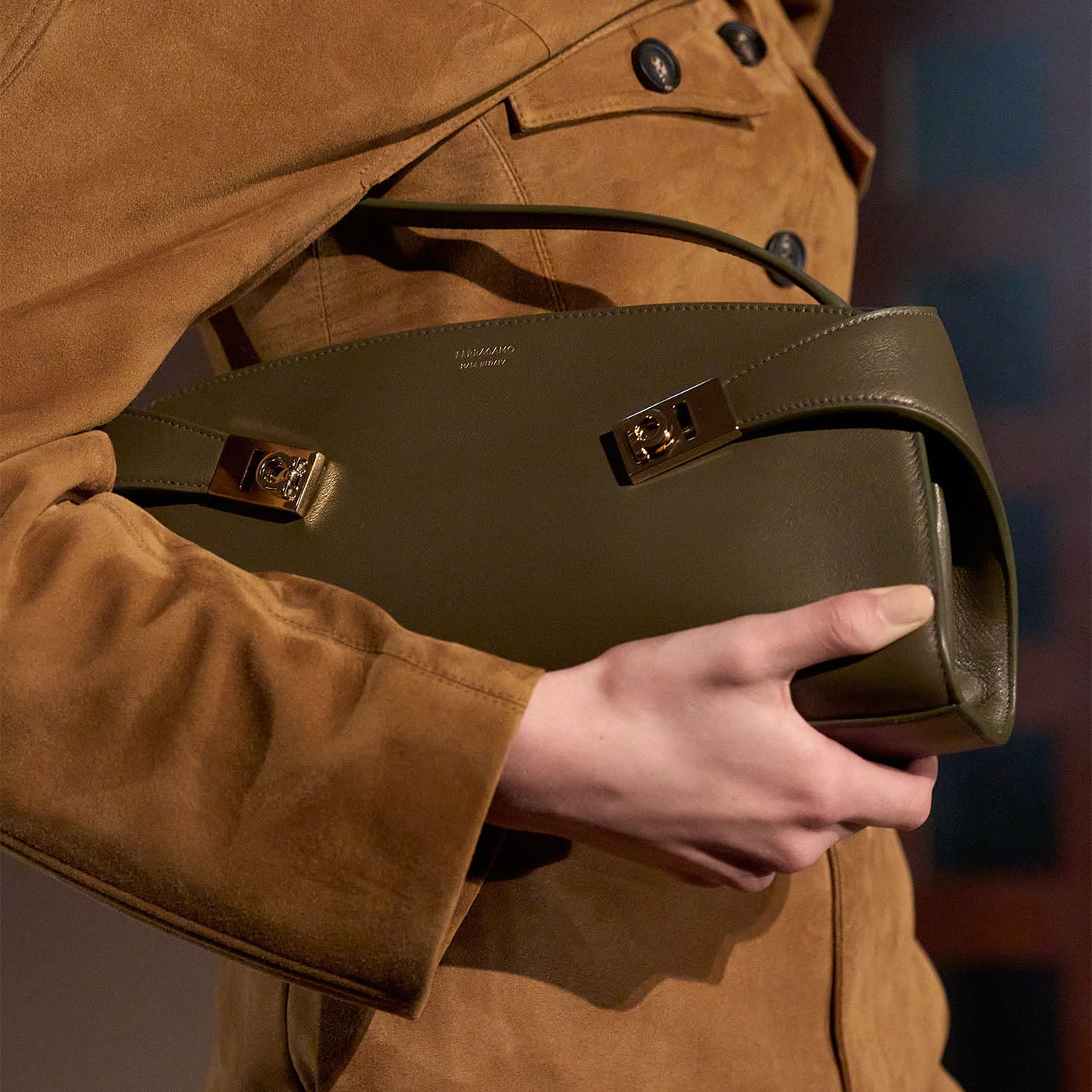
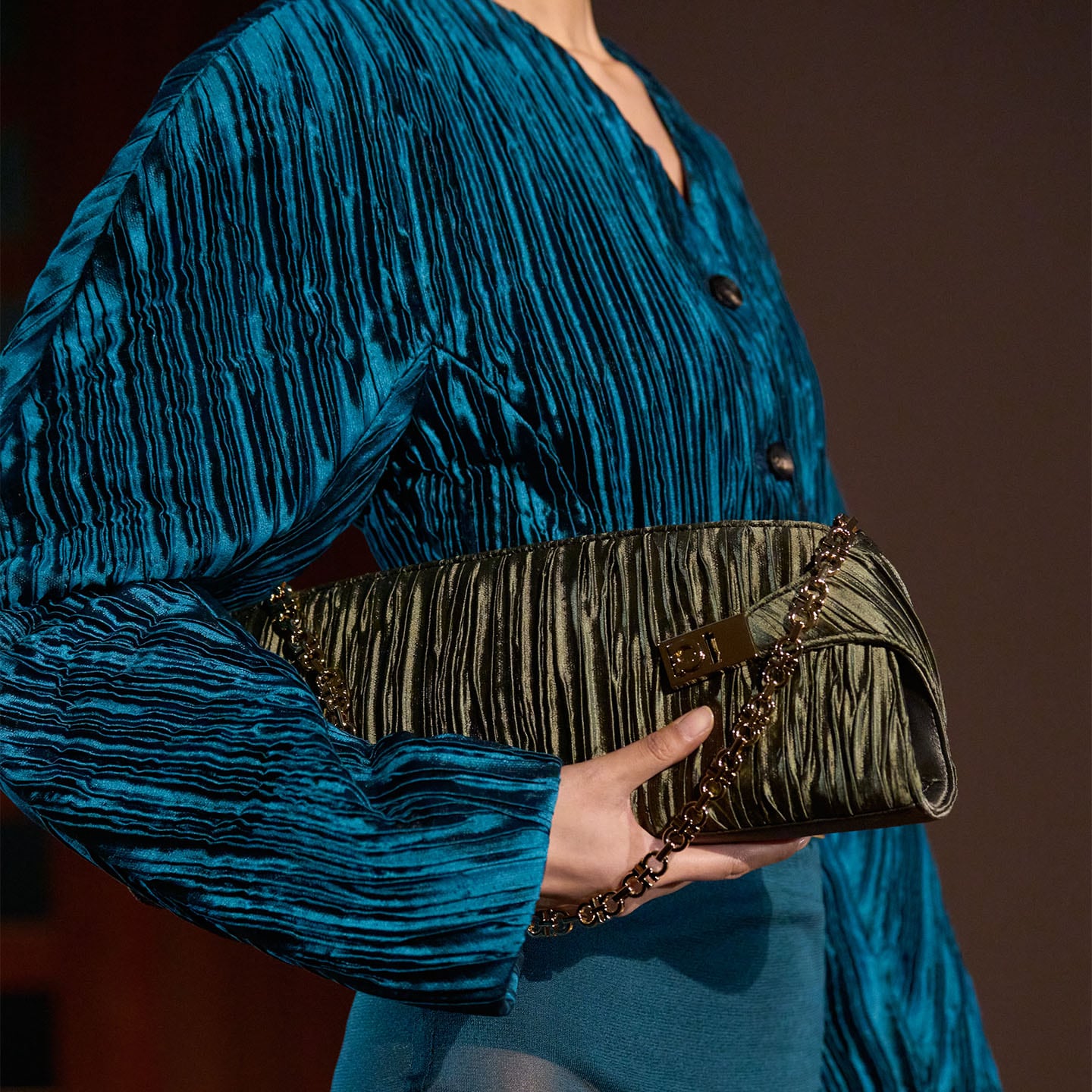
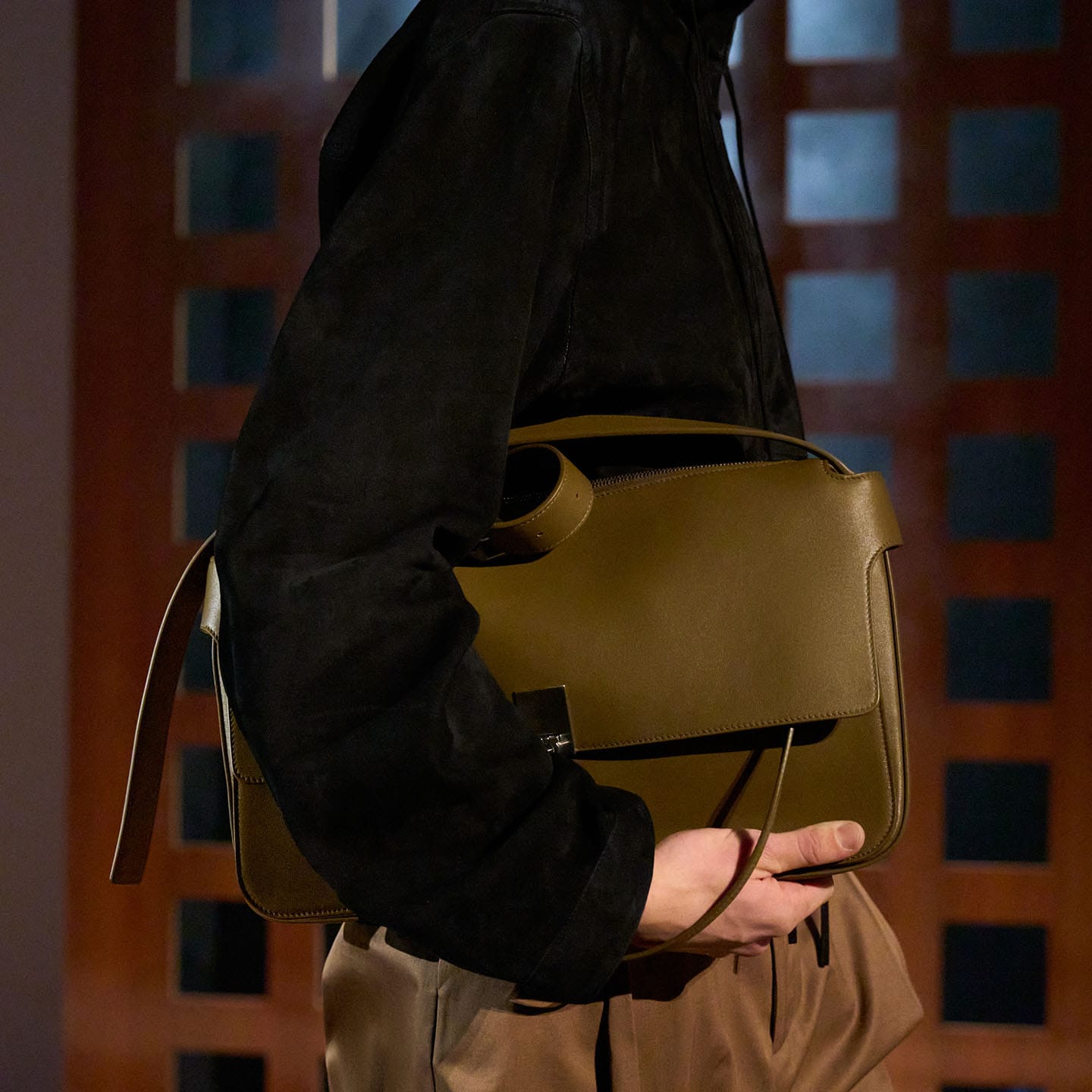
In accessories, the Ferragamo Cara Bag, whose graceful design and accordion construction unites form and function, is realised in seasonal leather and suede animations for men’s and womenswear, while the Hug Bag is re-proportioned for a new variant of the East-West silhouette and features a new crinkled double silk fabrication.
Off The Runway


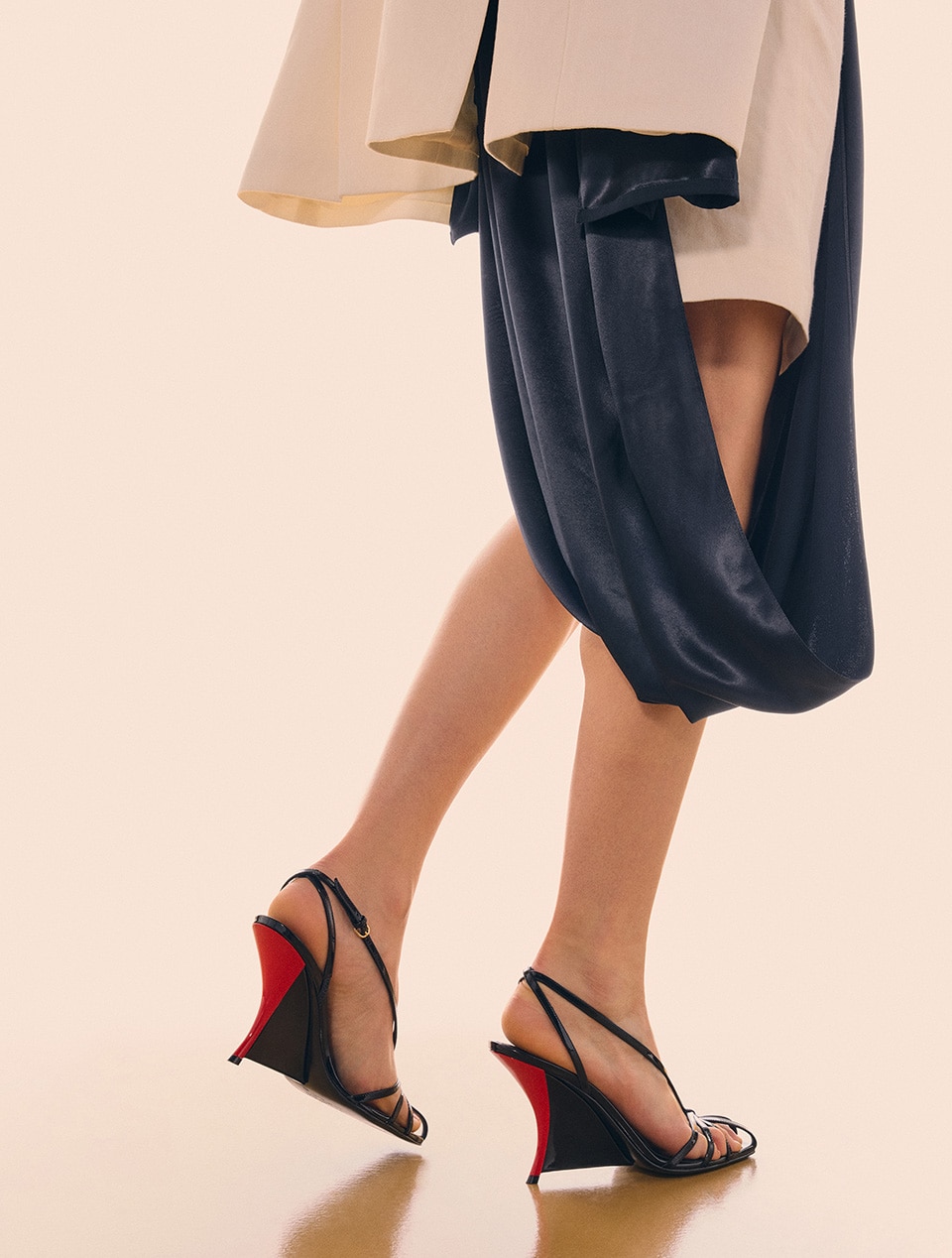
“I was inspired by the women of the era who were taking ownership of their own narrative: who were subjects of imagery but also travelled the world to create their own.” - Maximilian Davis


Guests in Ferragamo

Faye Peraya

Nana

Huang Jingyu

Rashida Jones

Iñaki Godoy

Caleb Moore & Kibriyaa Morgan

Heart Evangelista

Tina Kunakey

Kenya Jones Peltz

Amina Muaddi

Ann Carrington

Chase Sui Wonders

Fai Khadra

Fernanda Castillo

Francesco Colella

Graham Campbell

Igby Rigney

Martina Ferragamo & Simone Coppo

Myha'la Herrold

Naomi Osaka

Ruby Lin
Set

